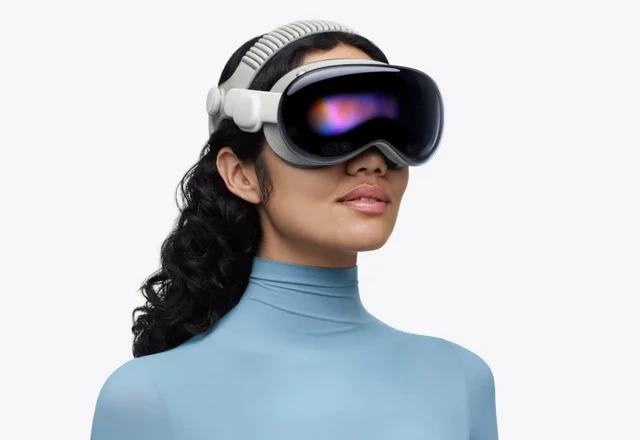
The integration of artificial intelligence into daily life is evolving beyond mere convenience; it is becoming a fundamental pillar of environmental accessibility. Today's wearables have the potential to serve as seamless intermediaries between individuals and their surroundings, effectively bridging the gap created by visual impairments. Meta’s initiative to provide smart glasses to thousands of users in Ireland signals a pivotal shift in the evolution of assistive technology—a large-scale experiment in transforming a consumer-grade gadget into an essential instrument for social integration.
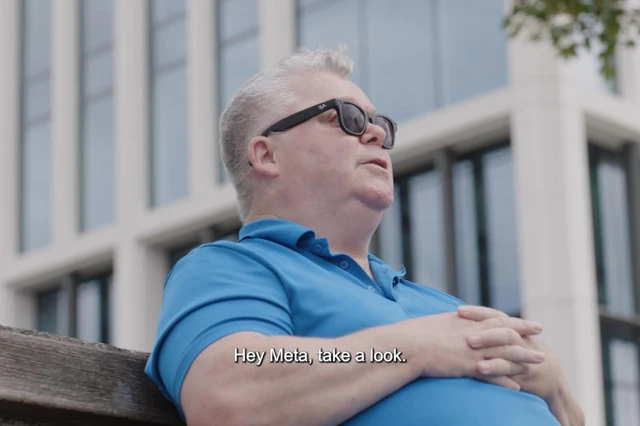
The tech stack of modern wearables has evolved to a point where multimodal neural networks can effectively interpret visual data streams in real time. At the heart of this shift are the Ray-Ban Meta glasses, developed in partnership with EssilorLuxottica. While most users view them as a stylish accessory for content creation, for those with visual impairments, these devices serve as a digital prosthesis, expanding the boundaries of perception.
The scale of the current initiative is striking: Meta is donating 15,000 devices to Vision Ireland, a national charity. This volume allows for total coverage of the foundation's beneficiaries, transforming local aid into a systemic technological upgrade for an entire community. This is not merely about distributing hardware; it is about integrating a full-fledged AI assistant into the daily lives of the visually impaired.
The technical utility of these devices lies in the AI's ability to analyze surroundings via integrated cameras and provide auditory feedback to the user. This encompasses text recognition, object identification, and general navigational support. With the advancement of Large Language Models (LLMs), these functions are becoming increasingly precise, offering users detailed spatial descriptions that were previously only possible with a human guide.
The project's implementation relies on a rigorous methodological approach. To ensure the technology does not become an unused burden, Vision Ireland has established a multi-stage adaptation framework—ranging from initial eligibility assessments to intensive in-person training. Users are taught to interact with the interface via voice commands, which remains the only intuitive control method for this demographic.
The rollout includes a series of regional events across the country, where specialists provide hands-on briefings and calibrate devices to meet individual user needs. Following initial onboarding, comprehensive technical support is provided—a critical requirement when deploying high-tech products in specialized operational contexts. In this way, a consumer gadget undergoes a transformation into a specialized accessibility tool, proving that mass-market technology can solve profound social challenges.
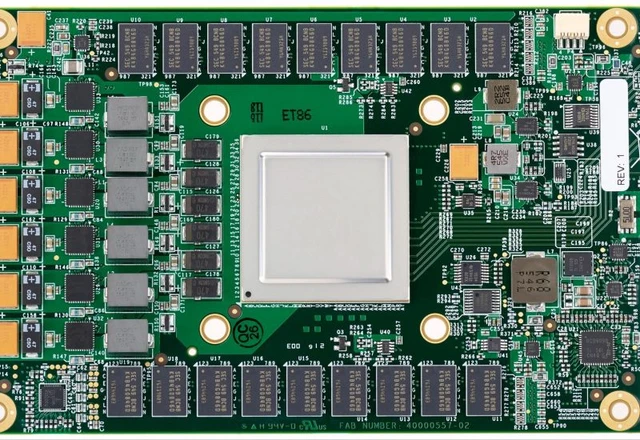 Anthropic’s Strategic Push for Hardware Independence