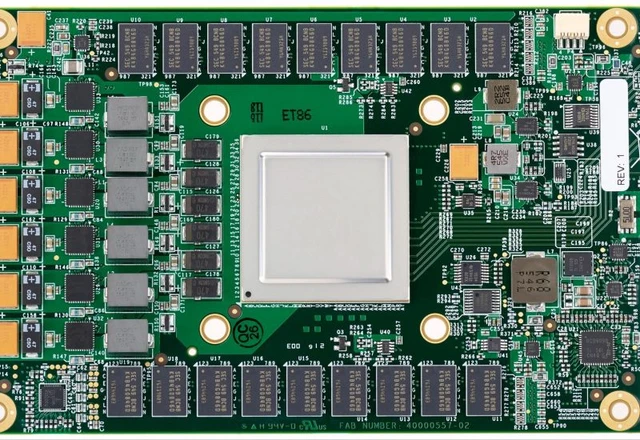
The AI revolution is colliding with an unforeseen physical bottleneck. While market attention remains fixated on GPU compute capacity, the true constraint has shifted toward the availability of high-speed memory. According to recent data from Micron, component shortages are projected to intensify through 2027, creating a critical vulnerability within global data center infrastructure. In this climate, memory is evolving from a mere commodity into a strategic asset with immense pricing leverage.
The contemporary semiconductor market is exhibiting a paradoxical trajectory: despite rapid technological leaps, the industry is grappling with an acute resource scarcity. Micron Technology, a titan of the sector, has reported a record operating margin of 81%. This profitability stems not only from process optimization but also from aggressive pricing—a trend the market has largely accepted as the new normal. Expectations of imminent supply saturation are proving illusory; on the contrary, the chasm between demand and production capacity is projected to widen through 2027.
The epicenter of this volatility has shifted toward the server segment. Today, the expansion of AI computing infrastructure is constrained less by real estate for data centers or power grid capacity than by a physical shortage of memory. In the era of Large Language Models (LLMs), requirements for High Bandwidth Memory (HBM) in terms of both throughput and volume are growing exponentially, positioning memory as the primary bottleneck for neural network scaling. The situation is further exacerbated by the fact that Micron's current production capacities can satisfy only about half of the existing demand within the server market.
To stabilize supply chains and lock in profitability, the company has pivoted toward a long-term strategic planning model, securing 16 major agreements extending to 2030. These contracts effectively transform memory into a guaranteed asset: clients commit to purchasing specific volumes of chips regardless of their immediate requirements. While price ceilings based on second-quarter benchmarks provide buyers with a hedge against runaway inflation, future agreements will be anchored to updated, higher market valuations.
Analysts at TrendForce corroborate this trend, forecasting a 13–18% increase in contract prices for server DRAM this quarter. Despite Micron’s attempts to signal a potential deceleration in price growth, fundamental market indicators suggest otherwise. A supply deficit next year will inevitably drive prices upward, exerting additional pressure on the operational expenditures of cloud providers and AI developers.
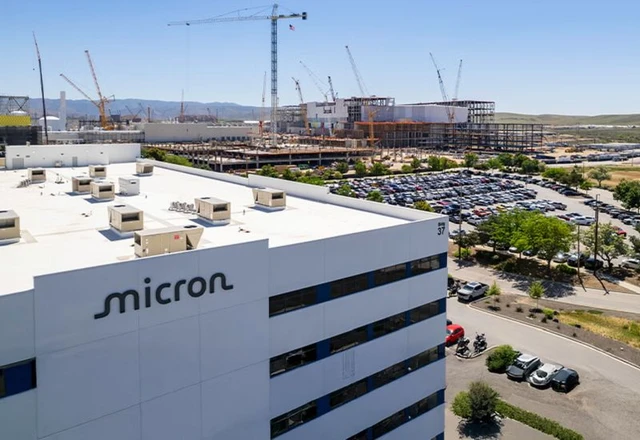
Alongside its technological dominance, Micron is leveraging the geopolitical climate as a competitive edge. Amidst the global fragmentation of supply chains, the ability to manufacture memory dies at scale within the United States has become a powerful strategic lever. While Samsung focuses on contract manufacturing for logic components in the region and SK hynix limits itself to final packaging stages, Micron offers full-cycle domestic production. This autonomy allows the company to command a price premium, transforming localized manufacturing from a logistical convenience into a potent instrument of market influence.
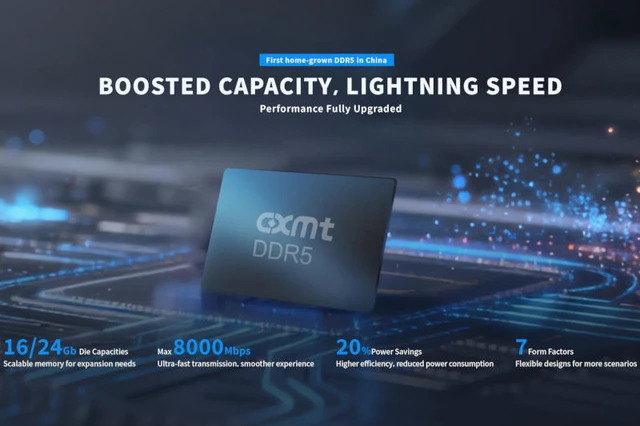 The Price of Acceleration: CXMT’s Rapid Push into Memory