The era in which visual evidence served as an irrefutable testament to reality is rapidly drawing to a close. The ascent of generative AI has blurred the line between a captured moment and a sophisticated simulation, precipitating a global crisis of confidence in digital content. In response, the industry is shifting its paradigm—moving away from the reactive attempt to detect fakes and toward a proactive strategy centered on provenance. Apple is taking a decisive step in this direction by integrating hardware-level image verification mechanisms directly into the iOS ecosystem.
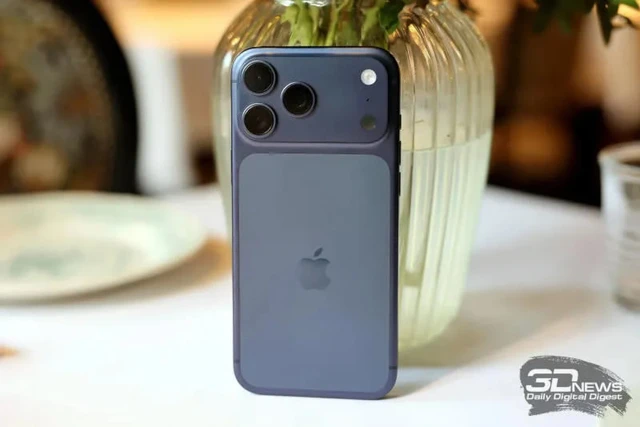
Recent beta builds of iOS 27 have uncovered code for a feature dubbed "Apple Reference Image." This technology aims to tackle a fundamental crisis in modern digital photography: the increasing impossibility of distinguishing an authentic shot from a high-fidelity deepfake. The core of the method lies in creating a "digital passport" for images, where the system embeds detailed provenance metadata at the exact moment of capture, certifying that light physically struck the camera sensor.
The implementation is designed as an opt-in feature, accessible via a dedicated "Reference" mode within the camera settings. Notably, this authentication will not be applied retroactively to existing galleries; verification becomes a privilege reserved exclusively for images captured while the mode is active. In doing so, Apple transforms the iPhone camera from a mere recording tool into a device for certifying reality.
Apple’s technological trajectory aligns with the C2PA (Coalition for Content Provenance and Authenticity) industry standard. This protocol enables a comprehensive audit trail of an image's lifecycle—from GPS coordinates and timestamps to a log of applied filters or generative AI interventions. Such an approach has already become foundational for professional systems from Canon, Nikon, Sony, Fujifilm, and Leica, and has been integrated into the latest Google Pixel smartphones.
However, true to its penchant for closed, highly optimized ecosystems, Apple may propose an alternative to the C2PA standard, which critics often cite as redundant or insufficiently secure. A proprietary solution would allow Apple to integrate the marking process more seamlessly into the user experience, making verification invisible yet indisputable.
This strategy signals a profound shift in the philosophy of combating disinformation. As social media industry experts note, attempts to build universal AI-content detectors are largely futile, as generative algorithms evolve faster than the tools designed to analyze them. The only viable path forward is a transition toward "provenance"—verifying that content was created by a human using a physical optical device. Consequently, Apple isn't merely adding a camera feature; it is constructing an infrastructure of trust in an era where an image is no longer synonymous with the truth.
 Anthropic’s Strategic Push for Hardware Independence