22 Aug 2026
 The Evolution of Apple's Augmented Reality Ecosystem
The era of ambitious spatial computing is colliding with the cold reality of market pragmatism. Widespread downsizing across key Apple divisions signals a fundamental strategic pivot in the development of immersive technologies. The company is moving away from costly, high-risk experiments in favor of more accessible, mass-market form factors. This shift mirrors a broader global trend: functional utility and ergonomics are now taking precedence over mere technological prestige.
22 Aug 2026
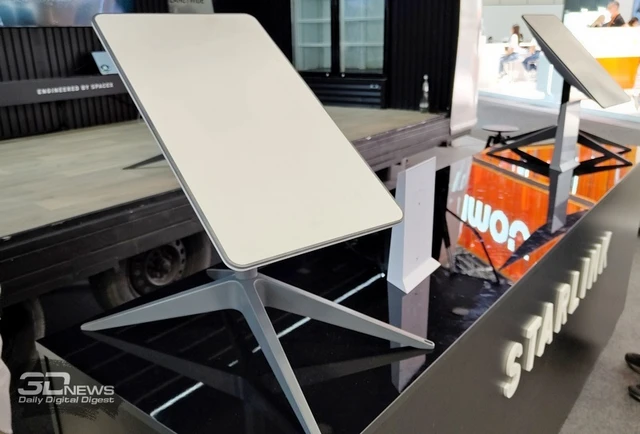 The Scale of Starlink's Orbital Dominance
The global satellite internet race has evolved from a competitive scramble into a phase of near-absolute dominance. While other players grapple with launch schedules and technical bottlenecks, SpaceX is fundamentally reshaping the landscape of near-Earth space. The sheer scale of the Starlink deployment is forging a new paradigm for connectivity, ensuring access from any point on the planet. This is no longer simply a matter of technological superiority; it is the construction of an unprecedented infrastructure of cosmic proportions.
22 Aug 2026
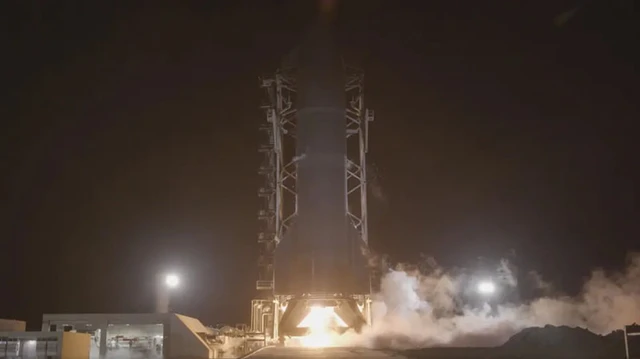 The Orbital Debut of the Starship V3 System
Humanity is on the cusp of an era where the reusability of super-heavy-lift launch vehicles shifts from a daring experiment to a routine operational reality. SpaceX is now entering the final stretch before the first full-scale orbital flight of its most ambitious project to date. Recent static fire tests of the Starship vehicle underscore the system's technical maturity and its readiness to tackle challenges of planetary proportions. This phase will be pivotal, shaping the trajectory of future lunar missions and the long-term exploration of deep space.
21 Aug 2026
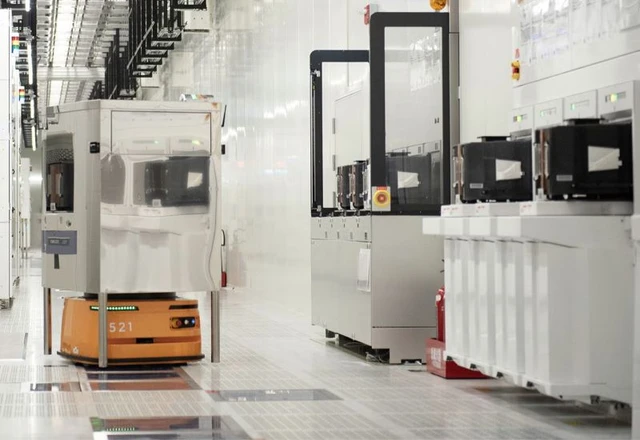 The NAND flash memory market is witnessing a period of rapid, exponential growth.
The global surge in artificial intelligence is fundamentally rewriting the playbook for the semiconductor industry. While DRAM manufacturers were the primary beneficiaries during the initial phase, a wave of price appreciation has now swept through the NAND flash segment. The dramatic revenue spikes seen among industry leaders signal a profound structural shift in the dynamics of supply and demand. At the heart of this evolution is a strategic reallocation of resources toward high-performance solutions tailored for data centers.
21 Aug 2026
 The Evolution of RayNeo’s Personal Cinema
The wearable display industry is evolving, shifting its focus from mere notifications toward a comprehensive, high-fidelity content consumption experience. For today's user, cumbersome physical panels are becoming obsolete; virtual environments now enable the deployment of a screen of any dimension, anywhere in the world. RayNeo is taking a bold leap forward with the introduction of the GT series, a lineup engineered specifically for deep media immersion. These devices aim to transform any environment into a private cinema, delivering uncompromising visual and auditory fidelity.
21 Aug 2026
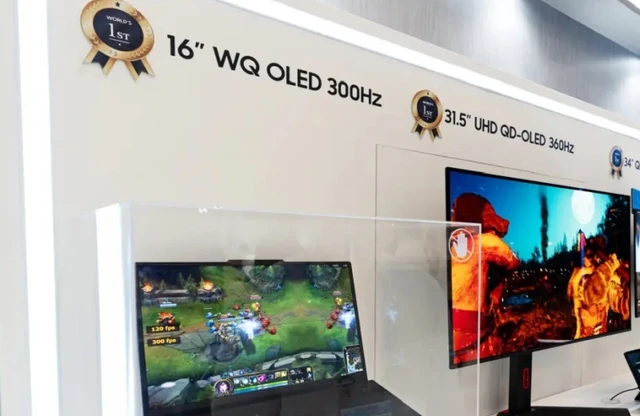 Samsung’s High-Speed OLED Breakthrough for Laptops
The gaming display industry has entered a high-stakes race for ultimate visual fluidity. The long-standing trade-off between the deep blacks of OLED and high refresh rates is finally becoming a thing of the past. Samsung Display is charting a new course, unveiling a panel that blurs the line between professional esports performance and a premium visual experience. This technological leap heralds the dawn of the era of ultra-fast organic displays in the mobile sector.
21 Aug 2026
 The Price of Aesthetics: Hidden Door Handles
The drive toward radical minimalism in automotive design has forged a perilous compromise, pitting external aesthetics against fundamental safety. Electronic locks, while delivering a seamless user experience in daily operation, can transform into insurmountable barriers during critical emergencies. A massive recall of millions of electric vehicles in China has exposed a systemic industry failure: the disregard for intuitive emergency egress. This case now serves as a catalyst for a global reassessment of human-machine interface (HMI) standards under catastrophic conditions.
20 Aug 2026
 Marvell and Google Forge Strategic AI Alliance
The global race for AI supremacy has decisively shifted toward the hardware layer. Seeking to diversify its supply chain and mitigate vendor lock-in, Google is placing a strategic bet on Marvell Technology. This partnership signals a pivot from transactional procurement toward deep financial and technological integration. At the heart of this collaboration is the evolution of Tensor Processing Units (TPUs), which are becoming the foundational architecture for scaling next-generation neural networks.
20 Aug 2026
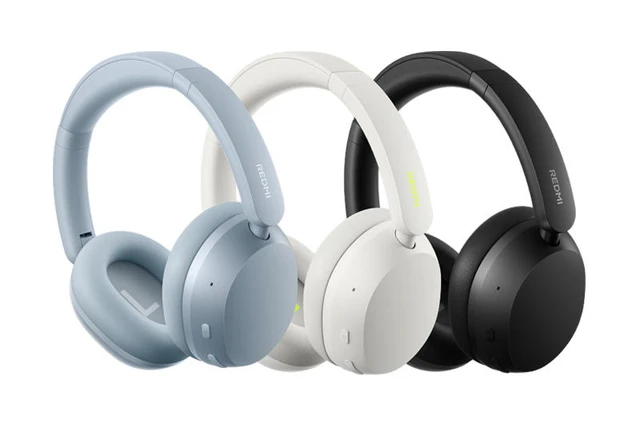 The Audio Standard: Redmi Headphones Neo
The contemporary audio market is increasingly driven by the democratization of high-fidelity sound. For leading electronics manufacturers, the primary challenge has become striking a precise balance between cost-efficiency and technical sophistication. The new Redmi Headphones Neo represents a strategic effort to merge premium playback standards with mass-market accessibility. This device is specifically engineered for users who prioritize exceptional battery life and sonic purity amidst the relentless noise of the urban environment.
20 Aug 2026
 Digital Surveillance on the Streets of Hangzhou
The integration of artificial intelligence into urban environments is evolving from a series of conceptual prototypes into a phase of full-scale operational deployment. Modern metropolises are increasingly delegating routine regulatory and law enforcement functions to autonomous systems, aiming to eliminate the volatility of the human factor in traffic management. China has emerged as the primary testing ground for this large-scale experiment, integrating robotic traffic controllers into the daily rhythms of civic life. The core objective of this transition is not merely punitive enforcement, but rather the cultivation of new behavioral patterns among both drivers and pedestrians.
20 Aug 2026
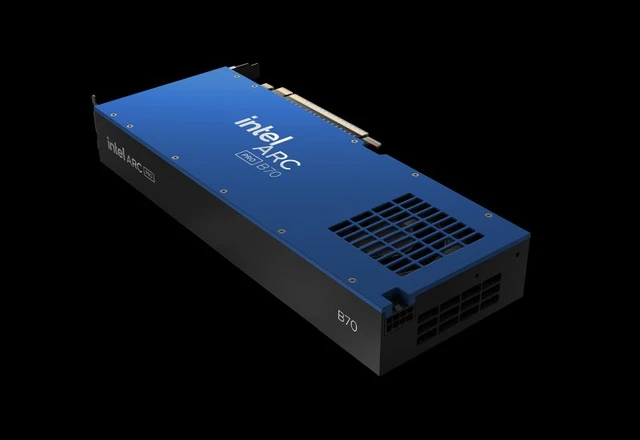 The Pricing Surge of Intel's Professional Solutions
The market for specialized graphics accelerators has been hit by a wave of volatility that defies the logic of standard sales cycles. The Intel Arc Pro B70 series, launched this spring, has seen an anomalous price surge within a single month. This trend is primarily driven by a global memory shortage coupled with an exploding demand for AI-driven workloads. The situation serves as a stark reminder of how heavily the pricing of end-user hardware is now tethered to the availability of critical components.
20 Aug 2026
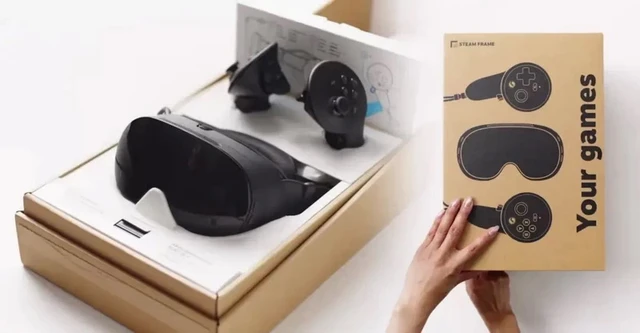 Unlocking the Technical Capabilities of Steam Frame
The virtual reality market currently stands at a critical juncture, caught between the allure of mobile autonomy and the uncompromising performance of tethered systems. Valve, the primary architect of the Steam ecosystem, has long been engineering a solution designed to bridge this divide. A recent accidental leak of setup documentation for the new "Steam Frame" headset has pulled back the curtain on a device poised to be a genuine game-changer. We now have a clearer picture of the key specifications and functional capabilities of this upcoming hardware.
