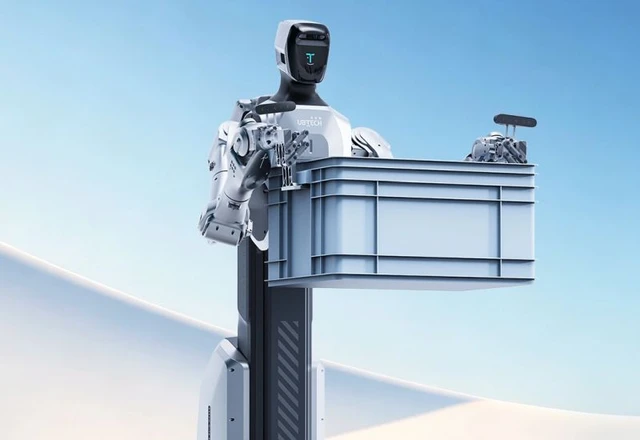
The convergence of artificial intelligence and physical robotics is elevating industrial automation to a new paradigm, transforming manufacturing plants into fully autonomous ecosystems. Automotive manufacturers are emerging as the primary catalysts of this evolution, as the underlying technological frameworks for autopilot algorithms and humanoid robotics are fundamentally aligned. The Chinese industrial giant Dongfeng is now pivoting from showcase prototypes toward the practical integration of robotics into active production cycles. This strategic shift aims to bridge the gap between high-profile robotic demonstrations and tangible operational utility on the factory floor.
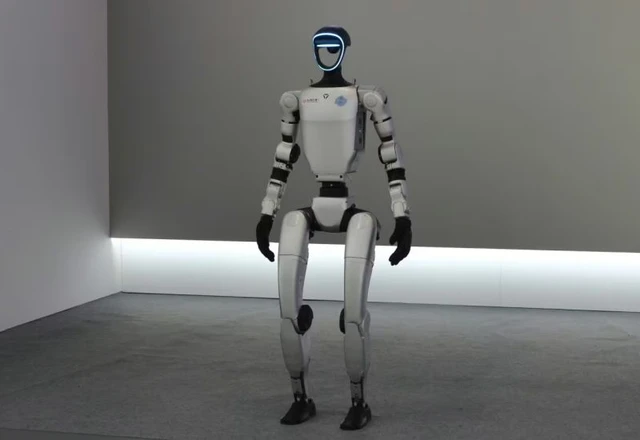
The modern industrial landscape is on the cusp of a paradigm shift: the concept of "Embodied AI" is transforming software code into physical agency. For automotive manufacturers, this evolution is a natural progression. The logic governing an autonomous vehicle—environmental perception, path planning, and execution mechanisms—is virtually identical to the operational logic of a humanoid robot. This is precisely why Dongfeng is pivoting toward the development of proprietary anthropomorphic systems designed to replace human labor in the most labor-intensive segments of the assembly line.
The integration phase kicks off in October, with the first prototypes being deployed across the group's assembly plants. At this stage, their functionality is concentrated on critical yet monotonous operations: component sorting and multi-stage quality control. By the end of the current year, the company plans to transition from isolated prototypes to pilot-scale production. However, the primary ambition lies in the coming year: Dongfeng aims to elevate the efficiency of its robots to a level comparable to that of skilled human labor.
This challenge is particularly acute today, as the robotics industry grapples with a distinct paradox. We see machines capable of incredible acrobatics and complex stunts, yet they often prove impractical in real-world production environments. Dongfeng intends to solve this by developing the Xiaodong robot, which is designed not merely to replicate programmed movements, but to autonomously adapt to flexible workflows, learning continuously through active operation.
Parallel to the development of humanoids, the company is advancing its quadrupedal systems. The Yuanzai robot dog, unveiled at the World Robot Conference, occupies a different niche. Unlike Xiaodong, which is geared toward heavy labor, Yuanzai is designed for service functions: guiding customers through showrooms, providing information, and patrolling facilities. This demonstrates the company's diversified approach to robotics, where each form factor is tailored to a specific business objective.
The Chinese market has effectively become a massive proving ground for anthropomorphic systems. Dongfeng is not alone in this race: Chery is actively supporting the startup Aimoga Robotics, which has already scaled production to thousands of units, some of which are being exported. Xpeng is launching its Iron series of robots, while other major players such as Li Auto, Seres, Leapmotor, GAC, and BYD are similarly integrating proprietary robotics into their production chains.
These sweeping investments in automation are inextricably linked to global expansion. Dongfeng plans to allocate approximately $7.41 billion to promote its brands in international markets, introducing more than 50 vehicle models. The establishment of ten overseas plants and five R&D centers requires a level of operational standardization that can only be achieved through high-precision robotics. By 2030, as exports reach 1.5 million vehicles annually, these robotic systems will serve as the bedrock ensuring consistent quality and production speed, regardless of the geographic location of the facilities.
 The Triumph of Autonomous Flight