7 Jul 2026
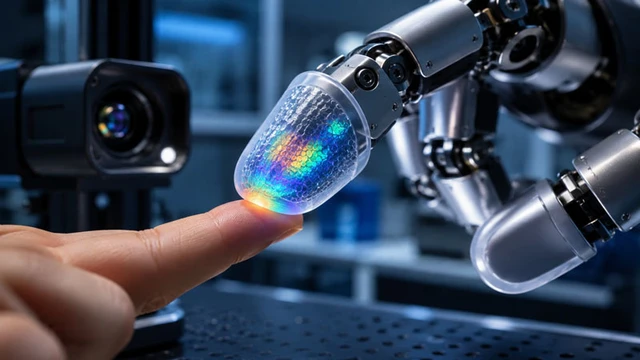 Visualizing Touch in Modern Robotics
Tactile perception remains one of the most formidable challenges in modern robotics, highlighting a profound disparity between biological precision and mechanical execution. Conventional approaches to simulating touch typically fall into two traps: they either demand prohibitive computational overhead or suffer from inadequate resolution. Researchers at Queen Mary University of London have devised an elegant solution by bridging the gap between optics and materials science. This innovation allows robots to literally "see" touch, translating physical pressure into a dynamic color map. Such an approach paves the way for the development of robotic manipulators with a level of sensitivity that rivals the human touch.
7 Jul 2026
 TSMC’s Massive Expansion of US Manufacturing Capacity
The global semiconductor manufacturing landscape is undergoing one of its most profound transformations in decades, characterized by a decisive shift toward regionalization. TSMC, which maintains a virtual monopoly over the production of the world's most advanced silicon, is accelerating the expansion of its manufacturing footprint beyond the shores of Taiwan. Recent regulatory approvals underscore the company's strategic pivot toward deep integration within the United States' technological ecosystem—a move that serves as a calculated response to escalating geopolitical tensions and a critical effort to fortify supply chain resilience amidst growing global volatility.
7 Jul 2026
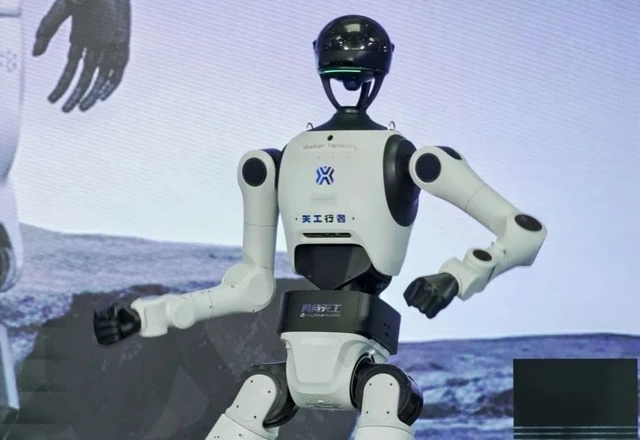 The Safe Integration of Robotics into Human Environments
The vision of humanoid assistants integrated into our daily lives is rapidly evolving from the realm of science fiction into a tangible market reality. Yet, beneath the polished veneer of tech giants' keynotes lies a fundamental friction: the clash between the rigid, deterministic logic of machines and the chaotic unpredictability of human behavior. Given the sheer physical mass and mechanical complexity of modern robotics, even a minor software glitch can escalate into a significant safety hazard for those in the vicinity. For this coexistence to become a seamless norm, the industry must fundamentally reimagine the core principles of human-machine interaction.
7 Jul 2026
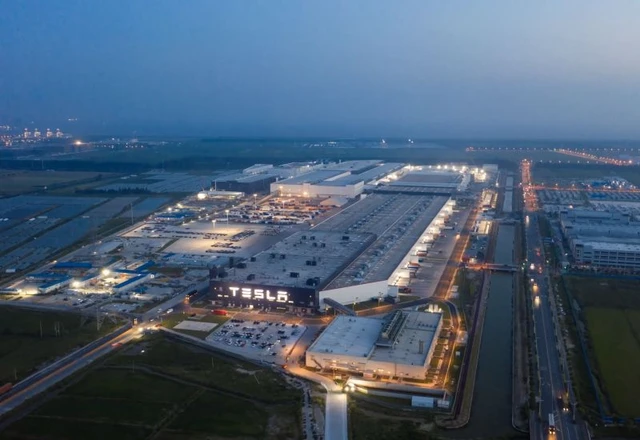 Tesla's Shifting Production Balance
For years, Giga Shanghai was hailed as the benchmark of operational efficiency and the primary engine fueling Tesla's global expansion. However, recent data reveals a tectonic shift in the company's delivery architecture. For the first time in years, the share of Chinese production in Tesla's global output has fallen below the critical 30% threshold. This trend exposes a widening chasm between the brand's global momentum and stagnating demand in the world's most dynamic electric vehicle market.
7 Jul 2026
 PlayStation Puga: The Experiment That Never Was
The history of the video game industry is littered with ambitious prototypes that never made it beyond the confines of the laboratory. Sony, renowned for its relentless pursuit of technological excellence, was no exception, developing devices designed to fundamentally redefine the accessibility of gaming. Among these forgotten ventures was the PlayStation Puga—a bold attempt to integrate the console and controller into a single chassis as a means of expanding into challenging markets. This story serves as a poignant illustration of how even fully functional hardware can fall prey to the grinding gears of bureaucracy and the complexities of licensing disputes.
7 Jul 2026
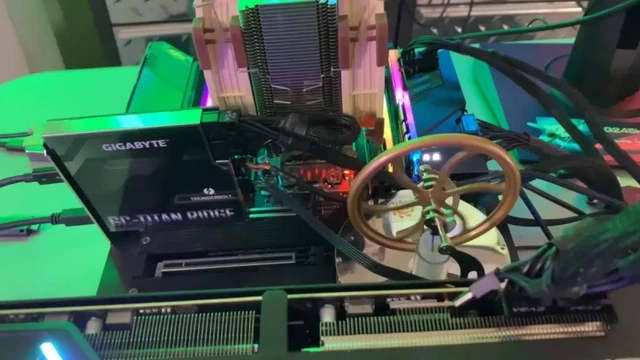 Computational Energy in Mechanical Motion
Modern computing is, at its core, a relentless battle against thermal waste. As transistor density climbs and clock speeds soar, the heat output of flagship processors has evolved from a mere byproduct into a formidable engineering hurdle. Yet, the very energy that designers typically scramble to dissipate as rapidly as possible can, in fact, be harnessed as a source of mechanical work. A recent experiment involving a high-performance workstation vividly illustrates the latent physical potential inherent in the thermal dissipation of modern systems.
7 Jul 2026
 Foxconn’s Strategic Expansion into the AI Infrastructure Market
The global AI boom has decisively shifted from the realm of software to the domain of physical infrastructure. Today, the primary rewards are flowing to those constructing the tangible foundation required for cloud computing and the training of neural networks. Taiwanese titan Foxconn, the world's largest electronics contract manufacturer, has emerged as one of the foremost beneficiaries of this tectonic shift. The company's latest financial disclosures reveal a surge in revenue, underscoring the corporation's evolved strategic role in the age of AI.
7 Jul 2026
 The Factories That Build the Fabs
The contemporary semiconductor industry is held hostage by staggering capital requirements and the iron grip of a few global monopolies. With the cost of constructing a state-of-the-art fabrication plant running into the billions, the barrier to entry has become virtually insurmountable for smaller firms and independent researchers. Jim Keller, one of the most influential architects of modern computing, proposes a radical departure from this technological impasse. His latest venture, Fab2, aims to transform the very creation of semiconductor fabs into a scalable, assembly-line process.
7 Jul 2026
 The Triumph of Memory in the Age of Generative AI
The global semiconductor market is undergoing a tectonic shift, as artificial intelligence evolves from a mere trend into the primary catalyst for hardware demand. Samsung Electronics has emerged at the epicenter of this transformation, reporting phenomenal financial growth. The company's current profit trajectory reflects a fundamental realignment of priorities within the computing industry: memory is rapidly becoming the most critical asset in the race to develop autonomous AI agent systems.
7 Jul 2026
 AMD is Reshaping the Landscape of Japanese Autonomous Driving
For years, Nvidia has maintained an uncontested stranglehold on the AI accelerator market for autonomous transport. Yet, the pursuit of technological sovereignty and the imperative for cost optimization are compelling ambitious industry players to explore alternatives. In a calculated strategic move, the Japanese startup Turing is integrating AMD solutions into its AI training infrastructure—an alliance that signals the dawn of a new chapter in the high-stakes race for supremacy within the autonomous driving sector.
7 Jul 2026
 AI Taxation: The Capital of the Future
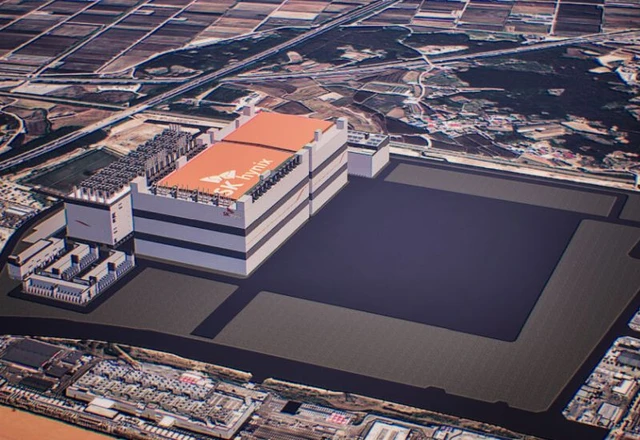
The global surge in artificial intelligence has ignited an unprecedented demand for high-performance memory, positioning the technology sector as the primary catalyst of the global economy. South Korea, which commands the lion's share of this market, now finds itself at the epicenter of a massive financial windfall. Rather than succumbing to short-term consumption, Seoul is opting for a strategy of redistributing these windfall tax revenues. The state aims to leverage the success of its corporate titans to secure long-term social stability and fortify the nation's technological sovereignty.
7 Jul 2026
 SK hynix’s Global Ascent in the Age of AI
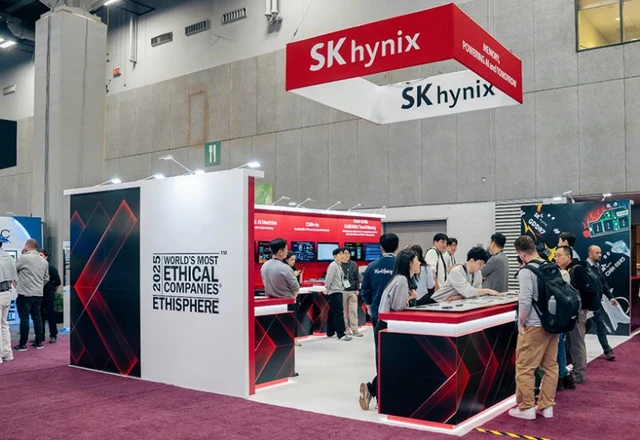
The AI revolution is fundamentally reconfiguring the semiconductor landscape, positioning memory manufacturers as the primary beneficiaries of this technological leap. Against this backdrop, South Korean titan SK hynix is executing a strategic maneuver, eyeing the US stock market to attract massive capital infusions. This move is intended not only to bolster the company’s financial resilience but to cement its dominance within the high-performance memory segment. In the midst of a global arms race for compute, such expansion has become a matter of strategic dominance.
