14 Jul 2026
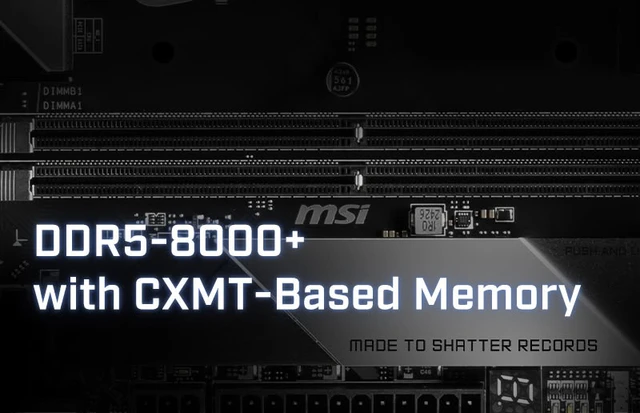 Integrating CXMT High-Speed Memory into the MSI Ecosystem
The modern RAM market is currently navigating a period of profound transformation, as the traditional hegemony of a handful of industry giants is being disrupted by the arrival of ambitious new contenders. The transition to the DDR5 standard has demanded a fundamental shift in how motherboard manufacturers approach BIOS optimization, particularly in ensuring stability at extreme frequencies. MSI has positioned itself as one of the first system integrators to confirm full compatibility with chips from ChangXin Memory Technologies (CXMT)—a move that unlocks significant potential for enthusiasts chasing peak performance on the latest Intel and AMD platforms.
14 Jul 2026
 The Nintendo Switch 2 Display Evolution Strategy
The handheld gaming market has long since pivoted from disruptive technological leaps toward a strategy of incremental hardware refinement. Nintendo continues to double down on this approach, planning a series of iterations for its next generation of consoles. The primary objective is striking a delicate balance between the superior visual fidelity of OLED panels and the escalating costs of semiconductor components. This tactical maneuver allows the company to maximize the product's lifecycle, sustaining consumer engagement and market relevance over an extended period.
14 Jul 2026
 The Energy Barrier Facing Cloud Giants
The global surge in artificial intelligence has ignited an unprecedented demand for compute capacity, positioning data centers as primary drivers of energy consumption. Faced with mounting pressure on electrical grids and dwindling natural resources, urban centers are being compelled to recalibrate their strategies for digital expansion. New York has become the first U.S. state to formally restrict the development of hyperscale data centers in a bid to avert a systemic energy crisis. This move signals a pivotal shift away from an era of unchecked growth toward a model of mindful and sustainable infrastructural evolution.
14 Jul 2026
 Google’s 2nm Technological Breakthrough
The semiconductor industry is hurtling toward a critical juncture, as the physical constraints of silicon emerge as the primary hurdle for engineers. For years, Apple has maintained its position as TSMC’s premier partner, consistently securing priority access to cutting-edge process nodes. Yet, the impending launch of the Google Pixel 11 may signal a tectonic shift in this strategic equilibrium. The migration to 2nm lithography promises to redefine Google's smartphones, positioning them as the new gold standard for power efficiency and raw computational performance.
14 Jul 2026
 Affordable Gaming Powered by the AMD BC-250
The current market for compact gaming systems reveals a stark disconnect between the premium pricing of turnkey solutions and their actual hardware capabilities. Prohibitive costs for official Steam Machines have driven enthusiasts to seek unconventional workarounds, repurposing specialized equipment into versatile workstations. An unlikely contender has emerged as the focal point of this trend: the AMD BC-250 mining board. By leveraging console-grade silicon, it is now possible to assemble a fully functional Linux-powered gaming rig on a shoestring budget.
14 Jul 2026
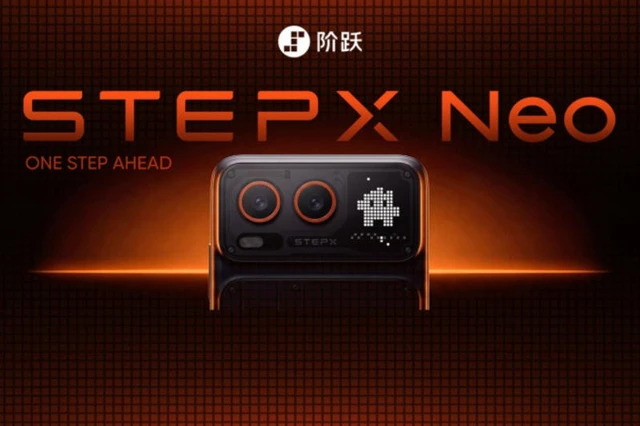 The Era of Autonomous Agents in StepX Neo
The modern smartphone experience is defined by fragmentation; every objective requires the launch of a discrete application and manual process management. Yet, the industry is shifting toward an "intent-centric" philosophy—one where the interface recedes, yielding to an intelligent intermediary. StepFun has entered this fray with the StepX Neo, a device that fundamentally reimagines our interaction with mobile electronics. At its core lies an AI agent capable of autonomously orchestrating complex, multi-step workflows, effectively transforming the smartphone from a mere toolkit into a sophisticated digital surrogate.
14 Jul 2026
 The Maiden Hop of the RV-X Reusable System
The era of expendable rocketry is steadily receding, giving way to the paradigm of reusable stages—a shift that is fundamentally redefining the economics of orbital access. Japan, long characterized by its conservative approach to aerospace, is now making a decisive leap toward VTVL (Vertical Takeoff, Vertical Landing) technology. The testing of the RV-X prototype serves as a pivotal validation of Japan's engineering vision; though brief, this flight establishes the essential foundation for a new generation of domestic reusable launch vehicles.
14 Jul 2026
 Scale and Energy: The New Redmi Note 17
The contemporary smartphone market is witnessing a renaissance of devices defined by extreme endurance and expansive displays. The new Redmi Note 17 series serves as a manifesto for this philosophy, delivering uncompromising power reserves paired with imposing screens. In an era of resource-intensive applications, prioritizing high-capacity batteries elevates the device from a mere gadget to a comprehensive productivity tool. This release effectively recalibrates the balance between ergonomics and functionality within the budget segment.
14 Jul 2026
 The Economics of Speed in the New SPHBM4 Standard
In the current arms race for AI compute, memory bandwidth has emerged as the primary bottleneck. While traditional HBM solutions deliver staggering speeds, they demand intricate and costly semiconductor-level integration. The introduction of JEDEC’s SPHBM4 standard is poised to shift this paradigm, offering an alternative trajectory toward high performance. The industry now possesses a mechanism to drastically lower manufacturing costs without compromising on raw data throughput.
14 Jul 2026
 Chronic Shortages in the Global Memory Market
The meteoric rise of generative AI has pushed the semiconductor industry to the brink of a severe resource crisis. Today, available memory capacity has emerged as the primary bottleneck for technological advancement, dictating the trajectory of both neural network evolution and cloud computing scalability. Recent market analysis suggests that this supply-demand imbalance is poised to intensify through the end of the decade, leaving the global economy vulnerable to a systemic component shortage that could ripple across every layer of our digital infrastructure.
14 Jul 2026
 Security Vulnerability in the DPCalendar Component
Data security within modern content management systems remains one of the most pressing challenges in contemporary web development. Even battle-tested extensions can harbor latent vulnerabilities that leave sensitive information exposed. The recent discovery of a critical flaw in the DPCalendar component underscores the inherent fragility of access control mechanisms. Ultimately, rigorous and timely software updates represent the only reliable safeguard against unauthorized database exfiltration.
14 Jul 2026
 Trading Data for Health
The era of Big Data has definitively evolved into the age of "Deep Data," where personal health metrics have become the primary catalyst for the evolution of artificial intelligence. Tech giants are increasingly grappling with the friction between a user's right to privacy and the imperative to train algorithms on vast repositories of real-world clinical data. Samsung’s latest healthcare initiatives highlight this fracture, effectively turning a user's medical history into currency exchanged for access to cutting-edge services. This establishes a new precedent within the wearables industry: biometric monitoring is no longer merely a service—it has become the raw feedstock for corporate neural networks.
