20 Aug 2026
 Cognitive Comfort in the Waymo Ojai
The era of autonomous mobility is shifting from the resolution of technical driving challenges toward the orchestration of the user experience. Waymo, Alphabet’s vanguard in autonomous ride-hailing, is integrating the Gemini multimodal model to fundamentally redefine the interior cabin environment. The vehicle is evolving beyond a mere mode of transit, transforming into an adaptive digital companion. This pivot signals a transition toward the "third place" concept—a space where comfort and cognitive offloading take center stage.
20 Aug 2026
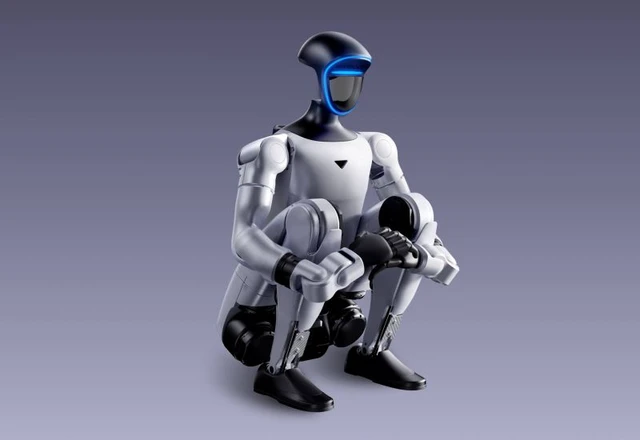 The Horizon of Mass Humanoid Robot Adoption
The vision of widespread humanoid assistants is definitively migrating from the realm of science fiction into the domain of industrial strategy. While mechanical engineering has seen impressive strides, the primary bottleneck remains the cognitive divide between physical execution and a nuanced, intellectual comprehension of the environment. The industry is now anticipating its own "ChatGPT moment"—a breakthrough that will seamlessly integrate sophisticated actuators with agile, adaptive artificial intelligence. This paradigm shift is set to redefine the consumer landscape and the fabric of daily life over the coming decade.
20 Aug 2026
 Biometrics in the Service of Media Analytics
The pivot toward streaming services has fundamentally dismantled the traditional notion of the "family screen." Audience measurement has evolved into a complex puzzle, rendering traditional panel-based research obsolete and non-representative. Nielsen, the global titan of media analytics, is tackling this challenge by deploying wearable devices to monitor viewer engagement. This move signals a paradigm shift from passive observation to the active biometric tracking of consumer behavior.
20 Aug 2026
 The Debut of the Galaxy S26 FE
The contemporary mobile landscape is increasingly shifting toward a philosophy of pragmatic consumption, as users seek the ideal equilibrium between cutting-edge innovation and economic rationality. Samsung has traditionally addressed this demand through its Fan Edition series, distilling the core capabilities of its flagships into a more accessible package. The upcoming release of the Galaxy S26 FE is poised to be a pivotal milestone in the democratization of sophisticated artificial intelligence and high-performance silicon. On August 27, the world will witness a device engineered to redefine the very notion of the "optimal" smartphone.
20 Aug 2026
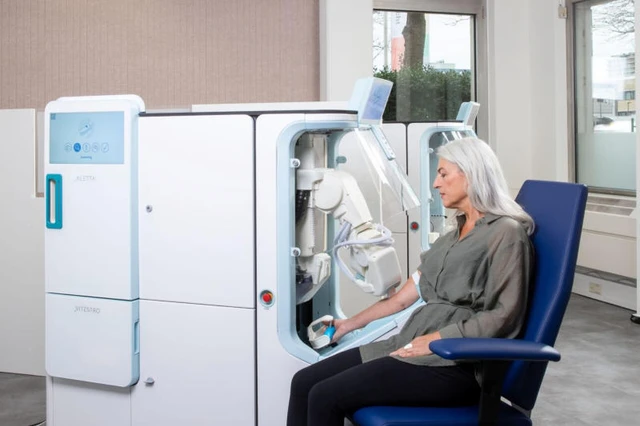 Aletta: The Autonomous Phlebotomist Redefining Diagnostics
Modern healthcare is grappling with a global shortage of skilled professionals, resulting in critical delays across fundamental diagnostics. Routine procedures, such as phlebotomy, have become operational bottlenecks that stifle the efficiency of patient care. The FDA's clearance of the Aletta system marks a pivotal transition toward high-precision medical automation—a technology engineered to mitigate human error and radically optimize clinical workflows.
20 Aug 2026
 The Decentralization of China's Computing Power
The global race for AI supremacy is no longer defined solely by algorithmic sophistication; it is increasingly becoming a contest of energy economics. While Western nations grapple with infrastructure crises and mounting social friction, China is strategically decentralizing its computational power, shifting workloads to remote rural provinces. This maneuver is transforming the hinterlands into the new technological bedrock of the digital economy. By synchronizing surplus renewable energy with the immense demands of data centers, China is forging a unique and potent model for scaling artificial intelligence.
20 Aug 2026
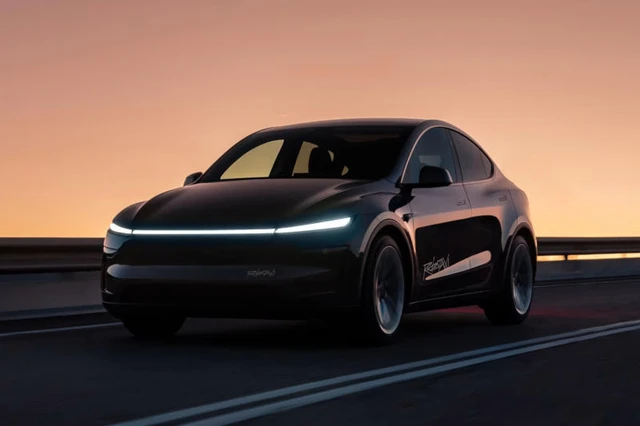 The Expansion of Tesla's Robotaxi Network
The race for autonomous mobility has reached a critical juncture, where theoretical promises are finally manifesting as urban reality. Tesla is pivoting its strategy, shifting the focus from controlled testing toward fully driverless deployment across key hubs in Texas. While the industry has long relied on corporate disclosures, independent monitoring now reveals a sharp surge in fleet activity. This transition marks a pivotal moment in the realization of the global robotaxi network vision.
20 Aug 2026
 The Cost of Last-Mile Automation
The vision of instantaneous drone delivery is rapidly evolving from a futuristic ambition into a tangible reality for millions. Amazon is aggressively scaling its Prime Air service across hundreds of cities, striving to bring "last-mile" logistics to a state of total automation. However, the transition from sterile testing environments to the unpredictability of urban chaos is exposing critical deficiencies in machine spatial perception. When algorithms fail to distinguish a secure landing zone from a swimming pool or a pond, the actual maturity of current navigation systems is called into serious question.
19 Aug 2026
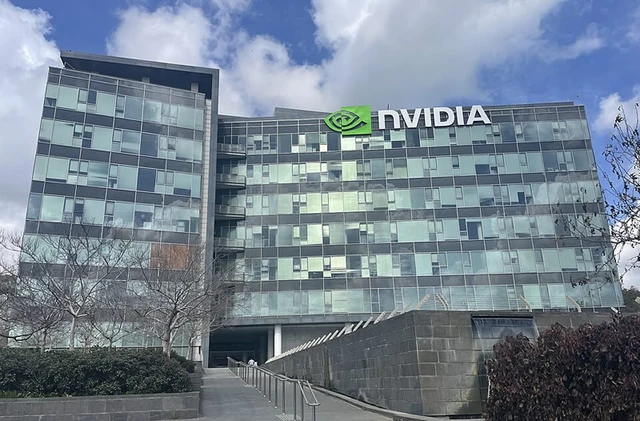 Nvidia’s Infrastructure Surge in Ohio
The AI arms race has decisively shifted from the realm of algorithms to the realm of physical infrastructure. Today, access to compute has emerged as the primary strategic asset, dictating leadership across the global market. Nvidia’s decision to fund a massive data center for OpenAI signals the company's evolution from a mere hardware vendor into the systemic architect of the entire industry. This move establishes an unprecedented level of vertical integration, where the chipmaker is effectively engineering the very foundation of its own future demand.
19 Aug 2026
 The Evolution of Energy Efficiency in AMD Rack-Scale Systems
The contemporary AI arms race is colliding with a fundamental bottleneck: the staggering energy demands of modern data centers. Scaling computational capacity now demands more than just next-generation silicon; it necessitates a radical overhaul of the entire power delivery and thermal management infrastructure. Against this backdrop, AMD’s "20x2030" initiative emerges as an ambitious response to these systemic industry challenges. The company aims to achieve a twenty-fold increase in the energy efficiency of its rack-scale solutions by the end of the decade, leveraging a holistic, system-wide optimization strategy.
19 Aug 2026
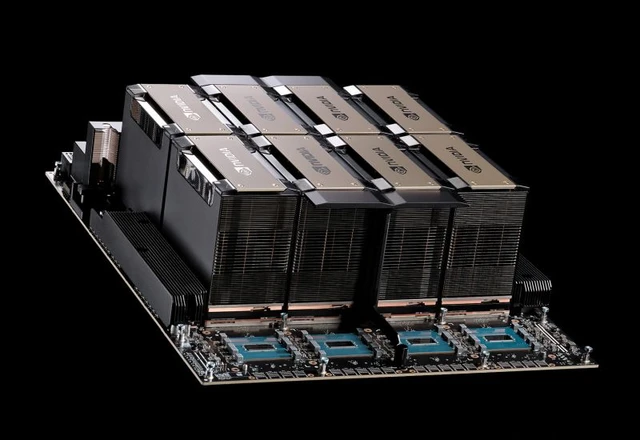 Expanding Nvidia's Accelerator Shipments to China
The global AI arms race has evolved into a brutal battle of computational power, where access to cutting-edge silicon dictates the velocity of technological advancement. For years, a combination of stringent US export controls and China's drive for domestic substitution created an artificial scarcity of high-performance systems. Yet, pragmatism has ultimately triumphed over ideology, prompting Beijing to pivot toward a more flexible approach regarding the procurement of American technology. Now, Nvidia’s H200 accelerators have emerged as the pivotal instrument for bridging the critical divide in neural network development.
19 Aug 2026
 The Market Triumph of Unitree’s Humanoid Robotics
The global race to develop general-purpose humanoid robots is shifting from the realm of engineering prototypes into a phase of aggressive market capitalization. Unitree's debut on the Shanghai Stock Exchange marks a watershed moment, underscoring the immense investor appetite for high-tech assets. The explosive surge in share value reflects more than just the success of a single product; it signals the market's conviction in the synergy between artificial intelligence and cutting-edge robotics. This case highlights China's strategic ambition to secure a dominant position in an industry poised to fundamentally reshape the global labor market.
