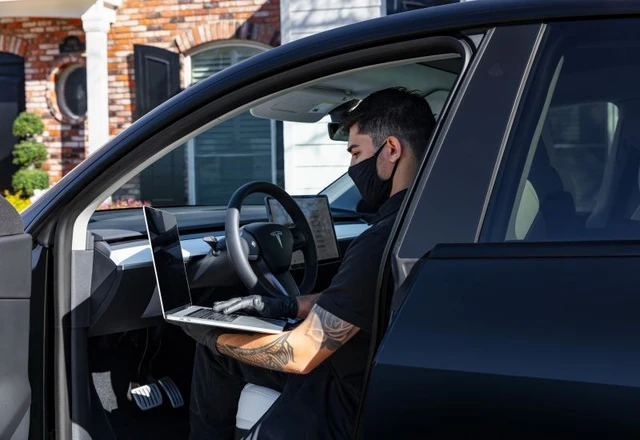
The race for autonomous mobility has reached a critical juncture, where theoretical promises are finally manifesting as urban reality. Tesla is pivoting its strategy, shifting the focus from controlled testing toward fully driverless deployment across key hubs in Texas. While the industry has long relied on corporate disclosures, independent monitoring now reveals a sharp surge in fleet activity. This transition marks a pivotal moment in the realization of the global robotaxi network vision.
Texas is witnessing a fundamental shift in the deployment of Tesla's autonomous systems. Recent data from the crowdsourced Robotaxi Tracker indicates that fully driverless operations have become the norm in Austin: 170 trips were recorded over a two-week period across 54 vehicles, all of which were completely devoid of company personnel. A similar trajectory is unfolding in Dallas and Houston, where the number of autonomous units is also showing steady growth.
This surge in activity is particularly striking given the plateau observed earlier this summer. While progress on the autonomous fleet appeared to have stalled, current metrics suggest otherwise. This adjustment is partly due to a refinement in tracking methodology. Ethan McCann, the creator of the tracker, leveraged insights from his Tesla internship to overhaul his data sources, integrating inputs from user applications and public communications. Consequently, the actual scale of the rollout has proven to be more extensive than previously estimated.
The situation is further complicated by Tesla's commitment to strict opacity. The company provides no official fleet data and routinely ignores press inquiries, leaving independent monitoring as the sole means of verifying progress. At present, modified Model Ys are serving as the makeshift robotaxis, but the industry is anticipating the arrival of the Cybercab—a specialized model representing a radical departure in autonomy. By eliminating traditional controls such as the steering wheel and pedals, the Cybercab evolves from a mere vehicle into a mobile service module.
Despite Elon Musk's ambitions and promises of "hyper-growth," Tesla remains in a position of playing catch-up relative to Waymo. Alphabet’s subsidiary currently operates over 300 vehicles in Austin and more than 4,000 across ten other cities, establishing a far more comprehensive operational footprint.
Nevertheless, Tesla’s strategy is predicated on a fundamentally different philosophy. While Waymo relies on high-definition (HD) maps and costly sensor suites, Tesla bets on neural networks and the massive data streams flowing from millions of consumer vehicles. The transition to fully driverless trips in Texas is the first critical test of the hypothesis that a software-centric approach can scale more rapidly than infrastructure-dependent systems.
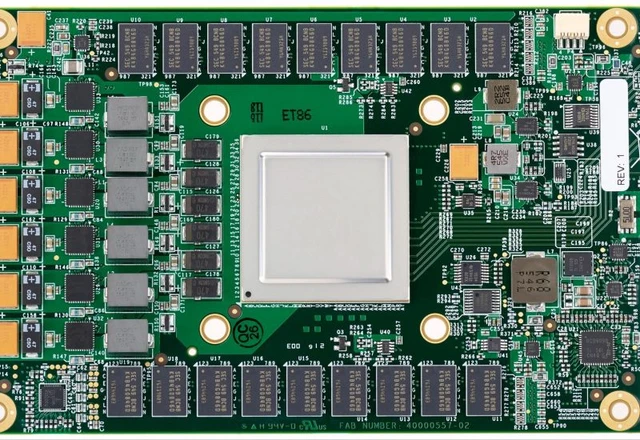 Anthropic’s Strategic Push for Hardware Independence