The AI revolution has brought the semiconductor industry more than just a technological triumph; it has exposed a profound social divide. While memory titans report record-breaking profits, the workforce is demanding a fair redistribution of these windfall gains. A wave of labor unrest, originating in South Korea, is rapidly sweeping across to Taiwan, jeopardizing the stability of the supply chain for critical components. At the heart of this conflict lies a fundamental question: at what cost is today's technological leap being achieved?
The global semiconductor market is currently navigating a phase of unprecedented expansion, fueled by an explosive demand for high-performance memory essential for training and deploying neural networks. However, this economic windfall has acted as a catalyst for severe labor disputes. The first precedent was set by SK hynix, which was forced to overhaul its profit-sharing model to appease its workforce. Samsung Electronics followed suit under intense pressure from labor unions, yet even these concessions have failed to fully quell the social unrest.
The situation in South Korea demonstrates that significant monetary concessions are not always sufficient to satisfy employee demands. At SK hynix, where approximately 10% of operating profit is allocated to bonuses, employees rejected a proposed 6.3% increase in base pay. The primary point of contention was the structure of these payments: up to 60% of bonuses are granted as company shares. Personnel perceive this as a strategic move by the corporation to transfer market volatility and risk onto the shoulders of the employees.
At Samsung Electronics, the conflict has taken a different form, exposing deep internal stratification. Pay system reforms primarily benefited those directly involved in memory chip production. Employees in other divisions found themselves excluded from the distribution of windfall profits, leading to a catastrophic disparity in bonus payouts within a single organization. This internal imbalance creates a dangerous precedent, effectively transforming the company into a bifurcated social structure.
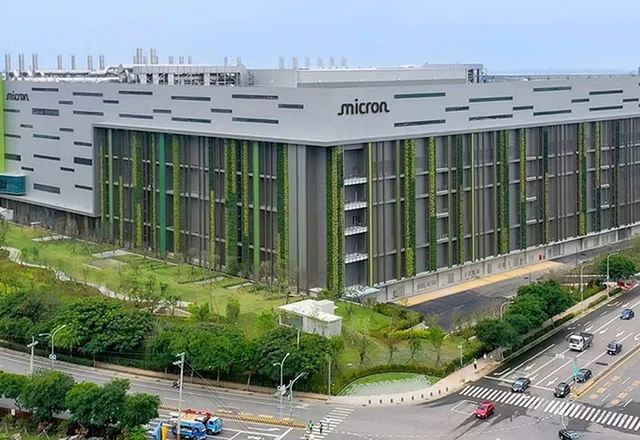
The epicenter of unrest is now shifting toward Taiwan, where Micron Technology has come into the crosshairs. Local unions, representing approximately 10,000 specialists, are demanding a revision of compensation terms modeled after their South Korean counterparts. The conflict is exacerbated by the fact that actual payouts at Micron lag significantly behind legal thresholds: while the law permits bonuses of up to five monthly salaries, employees receive an average of only 2.6.
The situation is currently in the negotiation phase, with talks scheduled for late August and mid-September. However, the mood within the workforce is increasingly militant; roughly 80% of union members have already expressed support for a strike. Unless Micron's management proposes a viable framework for distributing the profits generated by the AI boom, a shutdown of facilities in September appears almost inevitable.
This systemic crisis in the memory industry highlights a broader trend: technological progress generates immense value creation that is frequently accumulated at the executive level, leaving engineers and operators in a state of relative deprivation. In the context of a global war for semiconductor talent, such internal conflicts evolve into serious operational risks capable of destabilizing the entire high-tech equipment supply chain.
 Nvidia’s Technological Pragmatism in the Open-Model Race