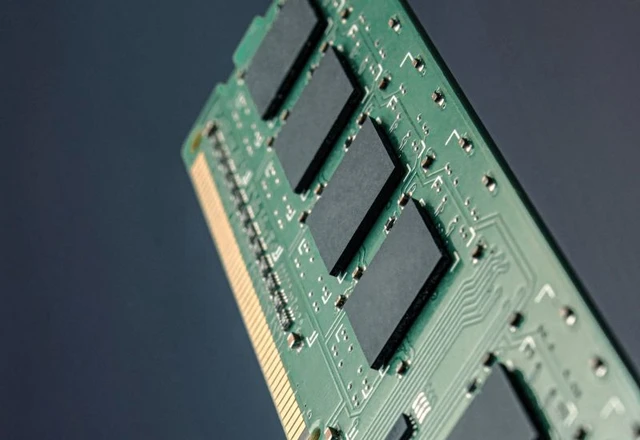
The global AI surge is fundamentally reshaping the semiconductor landscape. Memory is no longer a mere commodity; it has evolved into a highly customized strategic asset. According to forecasts from SK Hynix leadership, market shortages are expected to persist through 2031, signaling a profound structural transformation within the industry. The era of volatile overproduction cycles is giving way to precision planning tailored to the specific requirements of tech giants.
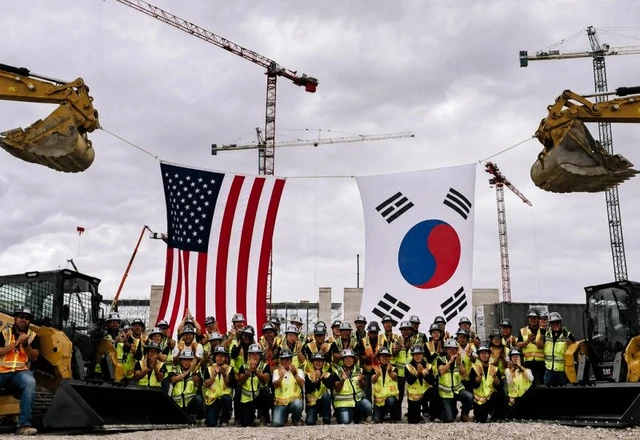
The semiconductor market is currently undergoing a tectonic shift. The groundbreaking of SK Hynix's new facility in Indiana serves as a catalyst for redefining the future of the entire memory industry. This is not merely an expansion of capacity, but the creation of a new logistical and technological value chain: by the end of 2029, the site will host a full-scale testing and packaging ecosystem for advanced HBM (High Bandwidth Memory). This facility will become a critical link in the supply chain for American tech leaders—most notably Nvidia—providing HBM4E chips, although primary fabrication will remain concentrated in South Korea.
The central thesis of the current moment is that the era of volatile crashes and catastrophic oversupply, which characterized the last two decades, is fading into the past. The industry is pivoting toward a model of deep adaptation. Memory for AI systems is no longer a commodity component; it has become a high-tech product engineered to the specific requirements of the customer. This tight synergy between producer and consumer allows for surgical precision in demand forecasting, effectively eliminating the risk of inventory glut.
Even in the event of a hypothetical deceleration in AI growth, the market is not facing a precipitous decline. Instead, the industry is likely to reach a "plateau"—a stable level of high demand sustained by the infrastructure requirements of data centers. This new paradigm renders the manufacturers' business models far more resilient to external shocks, allowing for flexible production scaling across the globe.
Parallel to its US expansion, SK Hynix is consolidating its position in Asia by leveraging a strategic partnership within the Japanese market. A key instrument here is its equity stake in Kioxia, which allows for indirect participation in the development of new NAND memory types for the server segment. As Kioxia plans the construction of a massive plant in Northern Japan, this shareholder influence enables the synchronization of new memory development with the needs of the largest suppliers and clients.
The final piece of the financial optimization strategy may be the IPO of its subsidiary, Solidigm. Having inherited Intel's SSD business, Solidigm represents a powerhouse asset that could attract up to $3.6 billion in investment upon going public. This capital would allow the company to accelerate its technological leap and cement a dominant position in the enterprise storage segment, closing the development loop from high-speed HBM memory to massive data storage systems.
 Nvidia’s Technological Pragmatism in the Open-Model Race