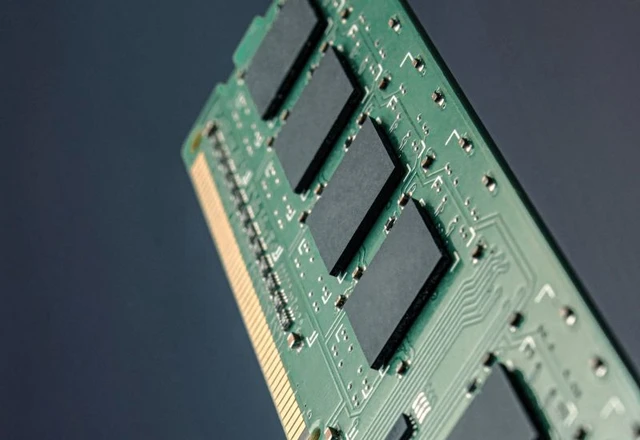
Global trade policy is pivoting sharply toward aggressive protectionism, transforming tariffs into a primary lever of geopolitical leverage. A new U.S. government initiative to levy taxes on imported electronics threatens to pose a severe challenge to the entire technology sector. Amidst the escalating AI arms race, such measures create a perilous paradox, throttling access to mission-critical hardware. At stake are not merely consumer prices, but the very trajectory of digital infrastructure development across an entire continent.
The use of customs tariffs as a primary instrument of foreign trade policy is returning to the forefront of strategic discourse. A new U.S. government initiative proposes the imposition of duties on finished electronic devices; the sheer boldness of the approach is evident in the fact that even pre-owned equipment could fall under the hammer. Such a decision threatens to trigger a chain reaction across the entire supply chain, spanning from the consumer market to the most sophisticated high-performance computing clusters.
The economic fallout of such a move is sobering. According to estimates from the Computer & Communications Industry Association (CCIA), annual losses to U.S. GDP could reach $90 billion. However, the most critical blow would be dealt to data infrastructure. Up to 20% of data center construction projects slated for completion by 2030 could be either frozen or relocated outside the country. In an era where computational capacity has become the equivalent of national power, such infrastructural stagnation represents a profound strategic risk.
For the end-user, this translates to inevitable price hikes and a narrowing of product availability. The hardware refresh cycle will slow down, automatically throttling the penetration of innovation—particularly regarding on-device AI integration. Yet the deeper problem lies in the foundation: progress in machine learning is directly contingent upon the availability of specialized hardware, which is now becoming a target of tariff pressure.
The situation is further complicated by the fact that even titans like Nvidia and AMD remain profoundly reliant on imports. The vast majority of AI chips are manufactured in Taiwan, and despite ambitious efforts by TSMC to onshore production in Arizona, the process requires decades of time and billions in investment. Apple, despite significant political headwinds, cannot rapidly shift the assembly of its entire product lineup to U.S. soil. Consequently, these tariffs strike the very companies tasked with securing the nation's technological leadership.
A fundamental ideological rift is emerging within the government. On one side, industry representatives argue that tariffs directly contradict the national AI development strategy. On the other, leadership—specifically Commerce Secretary Howard Lutnick—views tariffs as the only effective catalyst for mandated domestic manufacturing. The logic is straightforward: incentives will be granted only to those importers who proportionally increase their domestic production volumes.
In an attempt to soften the blow, industry advocates are proposing a compromise. The optimal path forward would involve a total tariff exemption for data center components and a reduction of duties on other silicon-based products from 25% to 10%. Furthermore, streamlining the bureaucratic procedures for import declarations has become critical to avoid a total logistical gridlock. Without these measures, the tech sector risks a scenario where political ambitions to repatriate manufacturing create an insurmountable barrier to technological progress itself.
 Nvidia’s Technological Pragmatism in the Open-Model Race