10 Jul 2026
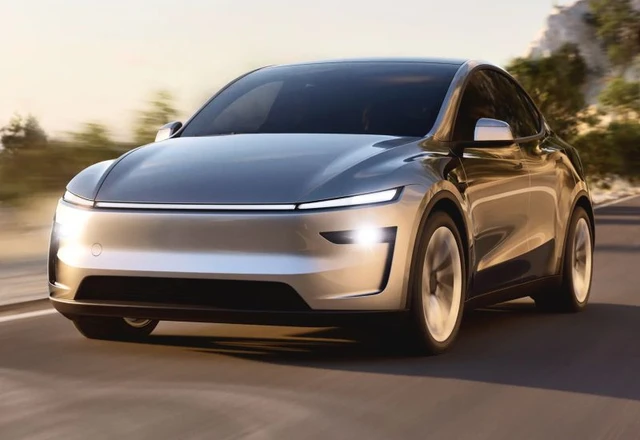 The Global Shift in Electric Vehicle Demand
The global industrial shift toward electric propulsion has evolved beyond a linear progression, transforming instead into a high-stakes geopolitical gambit. While overall metrics continue to climb, June's data exposes profound divergences among the world's primary economic hubs. As North America and China grapple with cooling demand, Europe is staging an unexpected surge. This volatility underscores the market's acute sensitivity to fiscal policies, tariffs, and the availability of affordable, mass-market models.
10 Jul 2026
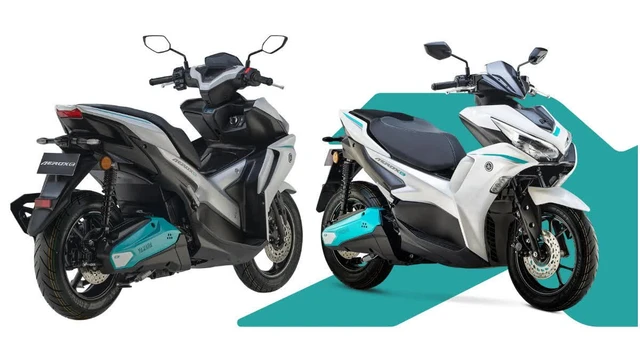 The Yamaha Aerox-E Electric Sport Scooter
Urban mobility is undergoing a rapid evolution, shifting from mere transportation to a sophisticated, high-tech experience. The pivot toward electrification in the two-wheeler segment demands more than just raw power; it necessitates a fundamental reimagining of charging infrastructure. Yamaha is meeting this challenge head-on with the introduction of the Aerox-E, a sporty electric scooter that seamlessly blends dynamic performance with everyday utility. This model represents a pivotal step in democratizing electric mobility for the modern, active urbanite.
10 Jul 2026
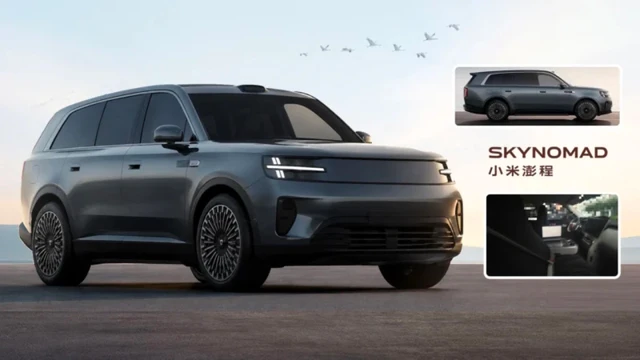 Sky Nomad N90 Redefines the Concept of Comfort
The contemporary electric vehicle market is undergoing a fundamental transformation: the industry is pivoting from a raw race for peak acceleration toward a sophisticated competition over the quality of the interior living space. Xiaomi is making a decisive move in this direction with the introduction of its new brand, Sky Nomad, and its flagship SUV, the N90. The vehicle is envisioned not merely as a mode of transport, but as a comprehensive "second home" for its owners. This strategy is built upon a synergy of expansive range and uncompromising ergonomics.
9 Jul 2026
 DJI AP100 Emergency Recovery System
The deployment of heavy-duty commercial UAVs within urban landscapes inevitably brings the issue of safety during critical system failures to the forefront. A ten-kilogram aircraft in freefall effectively becomes a lethal projectile, posing a severe risk to both personnel and property. DJI’s answer to this challenge is the AP100—a specialized parachute recovery system engineered specifically for the Matrice 400 platform. This module elevates safety from a mere optional feature to a mandatory standard, essential for legal operation within strictly regulated airspaces.
9 Jul 2026
 Waymo’s Global Robotaxi Offensive
The vision of fully autonomous urban mobility is finally evolving from a series of high-profile tech demos into the deployment of large-scale infrastructure. While most industry players have remained stalled in the realm of promises, only a select few have successfully integrated artificial intelligence into the chaotic unpredictability of real-world urban traffic. Waymo, Alphabet’s flagship venture, is now accelerating its expansion, aiming to demonstrate both the viability and the scalability of its operational model. Its entry into new U.S. hubs and strategic preparations for the European market signal a pivotal shift: a transition from localized experiments toward the establishment of a dominant transportation ecosystem.
9 Jul 2026
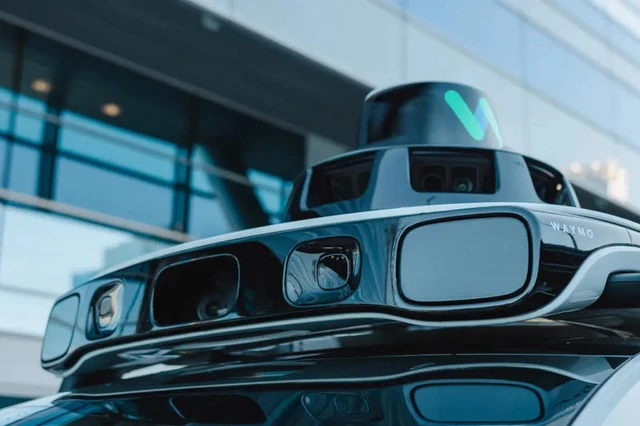 The Coordination Crisis: The Friction Between Autopilots and First Responders
For too long, the autonomous vehicle industry has operated within the vacuum of "ideal" driving scenarios, largely overlooking the unpredictable chaos of real-world urban environments. Yet, as these algorithms have begun to clash with the operational realities of emergency services, a perilous disconnect has emerged between technological ambition and practical safety. U.S. regulators are now explicitly labeling the failure of autonomous systems to respond correctly to emergency responders as a critical functional flaw—a precedent that casts serious doubt on whether these systems are truly ready for full-scale integration into the urban fabric.
9 Jul 2026
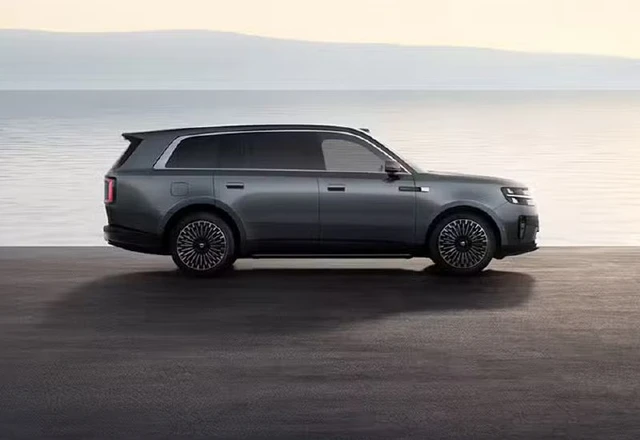 Sky Nomad N90: A New Philosophy of Space
The contemporary automotive landscape is undergoing a fundamental transformation; vehicles are evolving beyond mere modes of transport to become mobile living spaces. Building on the momentum of its electric vehicle success, Xiaomi is making a bold strategic pivot into the full-size hybrid SUV segment. The Sky Nomad N90 represents a shift in philosophy, moving away from uncompromising electrification toward a more pragmatic hybrid architecture. This vehicle is engineered to redefine the paradigms of comfort and autonomy, catering to a surging global demand for versatile, multi-functional family vehicles.
9 Jul 2026
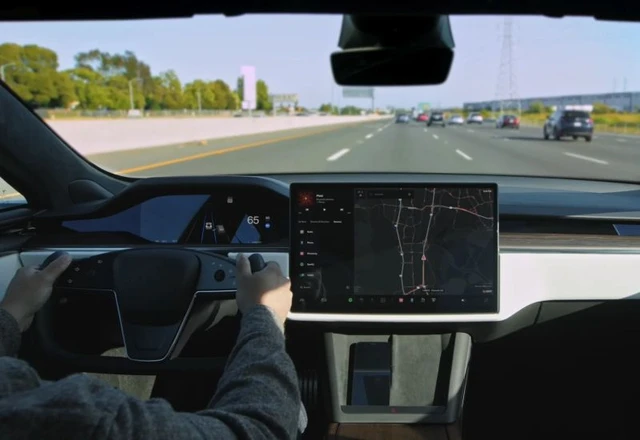 The End of the Sensor-Saturated Era in Automotive Design
In recent years, the automotive industry has been captivated by a wave of radical minimalism, driven by an ambition to migrate every control function into the digital realm. The vanguard of this movement reimagined car interiors as oversized smartphones, sacrificing tactile feedback on the altar of sleek aesthetics and software agility. Yet, this pursuit of sterile design eventually collided head-on with the fundamental tenets of road safety. Now, China—the world's largest automotive market—is officially bringing this experiment to a close, mandating the return of physical controls to the driver's cockpit.
9 Jul 2026
 Prioritizing Security Over Digital Minimalism
In recent years, the automotive industry has been driven by a wave of radical minimalism, systematically replacing tactile switches with expansive touchscreens. However, this pursuit of a futuristic aesthetic has inadvertently increased the driver's cognitive load, introducing new risks during critical maneuvers. Now, Chinese regulators are moving to curb this trend by mandating the return of physical controls to the cabin. This shift signals a global reappraisal of interface philosophy, marking a decisive pivot back toward ergonomics and safety.
8 Jul 2026
 Tesla's Innovative Battery Upgrade
The global pursuit of energy density and manufacturing scalability has emerged as the primary battleground of the electric vehicle industry. Despite its dominant position, Tesla is grappling with significant hurdles as it attempts to transition sophisticated laboratory breakthroughs into large-scale industrial production. The Berlin Gigafactory is evolving into a proving ground for a bold experiment in open innovation; by leveraging external startups to optimize its production lines, the company aims to shatter its manufacturing ceiling and push energy efficiency to an entirely new frontier.
8 Jul 2026
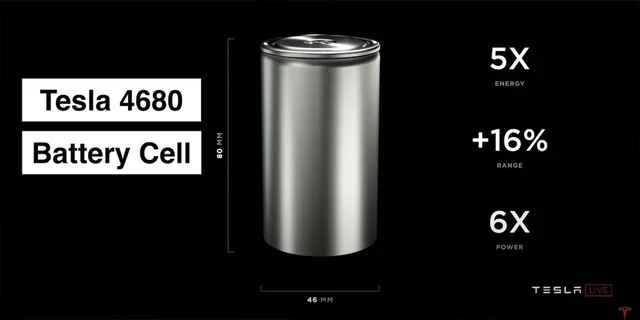 Scaling Tesla's Energy Ecosystem in Europe
The global shift toward electric mobility is currently bottlenecked by a single fundamental challenge: the efficiency and cost of battery cell production. In a pursuit of total vertical integration, Tesla has bet heavily on its proprietary 4680 cell format, designed to drastically slash manufacturing overheads. Yet, the road to mass-scale production has proven more arduous than anticipated, effectively transforming the Berlin Gigafactory into a proving ground for technological experimentation. The launch of the "Cell Giga Challenge" program signals a strategic pivot for the company, moving away from insular development toward an open ecosystem of innovation.
7 Jul 2026
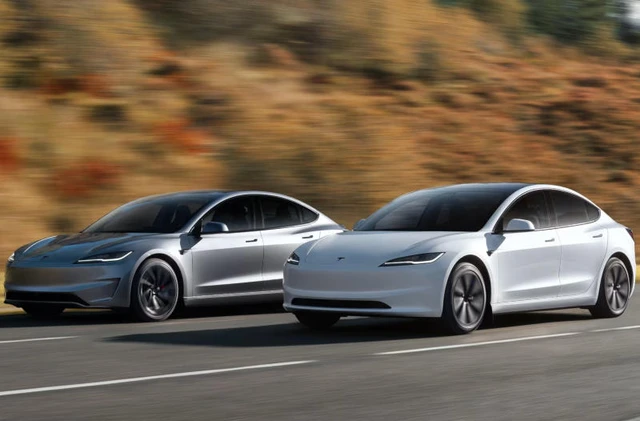 The Environmental Superiority of Electric Mobility
For decades, the debate surrounding the true environmental impact of electric vehicles has remained one of the most contentious issues in the transportation industry. Skeptics frequently point to the energy-intensive nature of battery production and the carbon footprint of power grids, casting doubt on the actual efficacy of the "green transition." However, a recent study from the Massachusetts Institute of Technology (MIT) brings much-needed clarity to the matter, confirming the systemic superiority of electric drivetrains over traditional internal combustion engines. The data analysis demonstrates that the shift toward these new technologies genuinely reduces the planetary burden, regardless of the existing variables.
