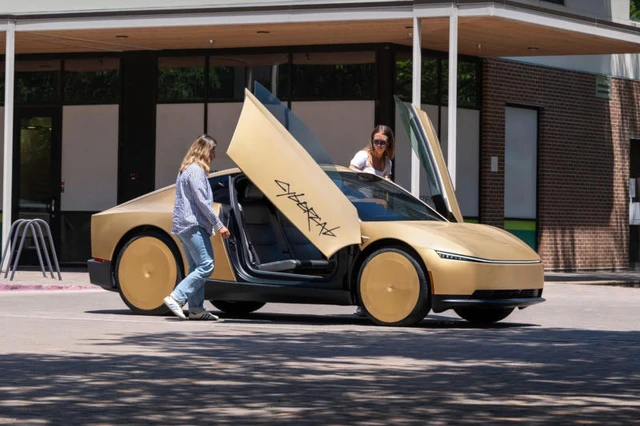
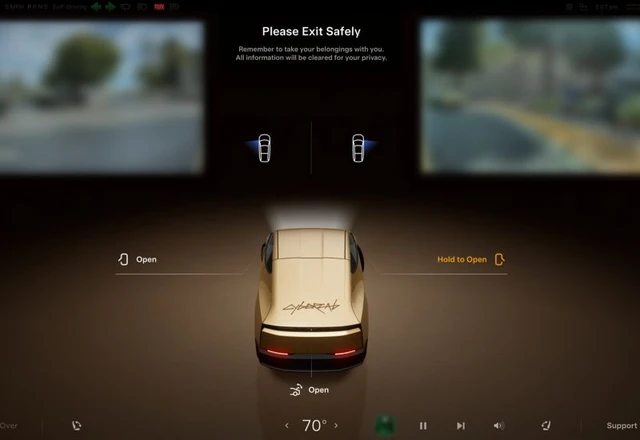
The contemporary technological landscape is rapidly converging toward total vertical integration, as the boundaries between disparate industries continue to erode. Elon Musk has emerged as the chief ideologue of this shift, consolidating artificial intelligence, social media, and aerospace technology under a single strategic umbrella. Recent signals point toward a potential metamorphosis of Tesla and SpaceX into a unified super-conglomerate—a move that could create an unprecedented entity with colossal influence over global markets and the architecture of future infrastructure.
Elon Musk’s approach to asset management increasingly resembles the construction of a seamless, closed-loop ecosystem. Following the rapid integration of xAI and X under the SpaceX umbrella—a move culminating in the public listing of the consolidated entity—it has become evident that Tesla may be the next target for absorption. To Musk's inner circle and market analysts alike, this scenario is viewed not merely as a possibility, but as the logical evolution of his business empire.
The catalyst for this renewed debate was Tesla’s quarterly earnings call, where the CEO spoke candidly about the growing number of "touchpoints" between his automotive and aerospace ventures. While the formal constraints of the reporting event precluded a detailed discussion on a potential merger, the mere mention of these "intersections" served as a clear signal to the market. This sentiment was echoed by Tesla’s head of legal, Brandon Ehrhart, who characterized SpaceX as a strategic partner facilitating a wide array of mutually beneficial synergies.
The technological foundation for such a unification is already in place. Currently, Tesla provides SpaceX with battery systems, service vehicles, and various engineering solutions. However, the most promising vector of collaboration lies in semiconductors. In the near term, both companies plan to leverage a partnership with Intel to scale the production of specialized chips utilizing advanced lithography. This would enable the creation of a unified hardware stack capable of managing both autonomous vehicles and complex aerospace systems.
Despite these obvious synergies, the path toward unification is fraught with geopolitical and regulatory risks. Analysts at Deepwater Asset Management, who estimate the probability of a merger at 90%, point to significant antitrust hurdles, particularly in China. For Tesla, China remains a critical market and the base for its largest Gigafactory. Conversely, SpaceX is deeply embedded within the U.S. defense sector, rendering it an unacceptable partner from the perspective of Chinese regulators. This conflict between U.S. national security interests and Chinese economic priorities could become the primary obstacle to the deal.
Nevertheless, from an internal governance standpoint, any structural shifts remain entirely at Musk's discretion. Following the SpaceX IPO and the subsequent restructuring of its equity, the entrepreneur's influence has become virtually absolute. This allows him to execute radical reorganizations, effectively bypassing traditional corporate barriers whenever they conflict with his global vision for technological advancement.
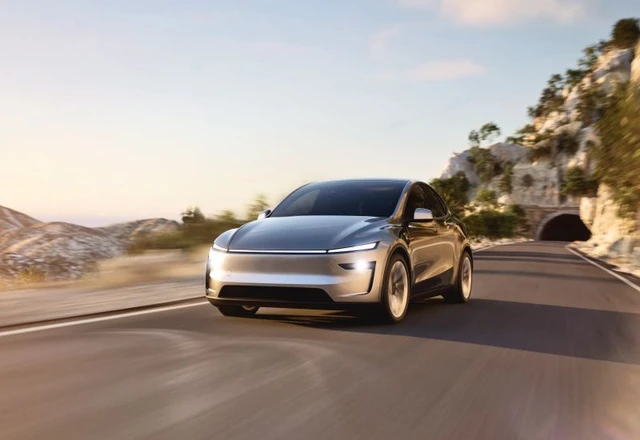
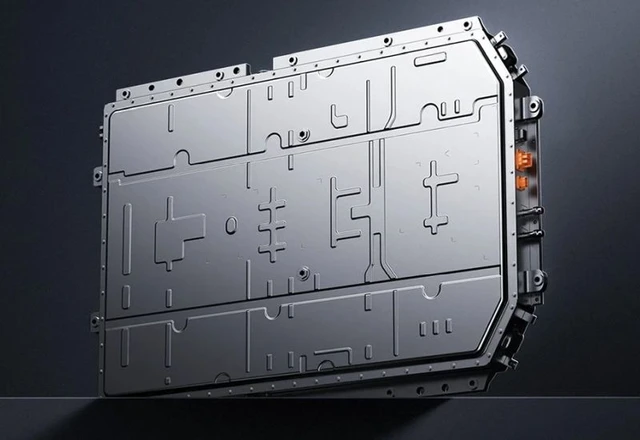 Dragonscale’s Radical Battery Warranty