The global aviation landscape is poised for a fundamental transformation as the boundaries between urban air mobility and high-speed transit begin to blur. The rise of eVTOL technology and the resurgence of supersonic flight are moving beyond the realm of futuristic speculation, evolving into tangible regulatory imperatives. To address this, the Federal Aviation Administration (FAA) is overhauling its frameworks to expedite the integration of these innovations into shared airspace—a shift that signals a strategic pivot from rigid oversight toward a collaborative partnership with the industry.
Modern aviation is currently navigating a profound paradigm shift. The Federal Aviation Administration (FAA) has essentially signaled the dawn of a new era—one where priorities extend beyond mere safety and stability to encompass the rapid deployment of next-generation technologies, ranging from unmanned systems and space launches to the resurgence of supersonic travel. The fundamental shift here is one of regulatory philosophy: moving away from traditional prescriptive mandates toward a flexible ecosystem that empowers the industry to drive innovation while minimizing bureaucratic friction.
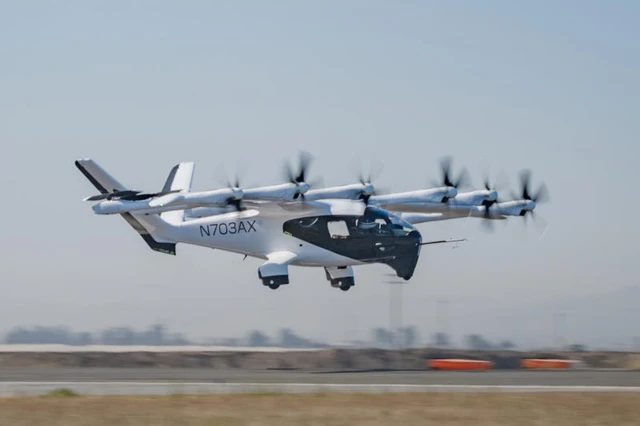
At the heart of this strategy lies the development of electric Vertical Take-Off and Landing (eVTOL) aircraft. These vehicles are designed to solve the "last-mile" challenge within megacities, offering an eco-friendly transport alternative capable of bypassing urban gridlock. To realize this vision, the FAA has launched an extensive pilot program spanning 26 states and involving eight leading developers. The objective is to establish an empirical framework for the certification of these new aircraft types, ensuring their integration into civil aviation is both seamless and secure.
The deployment methodology for air taxis draws heavily from the playbook of autonomous ground transportation. The industry is adopting a model of gradual scaling, mirroring the rollout of Waymo’s robotaxis: technology is first stress-tested in restricted urban zones to refine system interoperability and infrastructure, before being scaled across broader markets. This iterative approach mitigates risk and allows the urban environment to adapt to the unique requirements of aviation.
Parallel to the evolution of urban mobility, the FAA is attempting to revitalize the supersonic flight segment—a sector that has remained largely dormant since the retirement of the legendary Concorde in 2003. For decades, the primary obstacle has been a 1973 ban on supersonic flight over land, triggered by noise pollution and the disruptive impact of sonic booms.
The regulator is now working to lift this restriction through the implementation of new standards. By mid-2027, clear noise thresholds are expected to be established for all phases of flight—from takeoff and landing to supersonic cruise. This will pave the way for the full certification of a new generation of supersonic liners, returning the world to an era of rapid intercontinental travel, now aligned with contemporary environmental and acoustic requirements.
 The Legal Hurdle for Autonomous Taxis