The relentless drive toward minimalism and digitalization in contemporary automotive design is increasingly colliding with fundamental safety imperatives. A series of incidents, where occupants found themselves trapped inside vehicles following electronic failures, has cast doubt on the viability of flush-mounted electronic door handles. Consequently, US regulators are now weighing a comprehensive overhaul of federal standards for the entire industry. This shift could represent a pivotal moment in the tension between high-tech aesthetics and the non-negotiable right to a guaranteed emergency exit.
The contemporary electric vehicle landscape is witnessing a pervasive shift toward the eradication of tactile controls in favor of software-defined interfaces and minimalist aesthetics. However, this trajectory has introduced a critical systemic vulnerability: occupant safety is now inextricably linked to the stability of the vehicle's power supply. The National Highway Traffic Safety Administration (NHTSA) has launched a detailed inquiry following a series of incidents where users were trapped inside vehicles equipped with electronic door handles—failures that, in some instances, have led to tragic outcomes.
The regulator's scrutiny has centered specifically on the 2022 Tesla Model 3. The investigation was triggered by a petition alleging that the vehicle's emergency door release mechanisms fail to meet federal safety standards. The core of the issue lies in the fact that during critical voltage drops in the onboard network or a total power failure, standard unlocking methods cease to function.
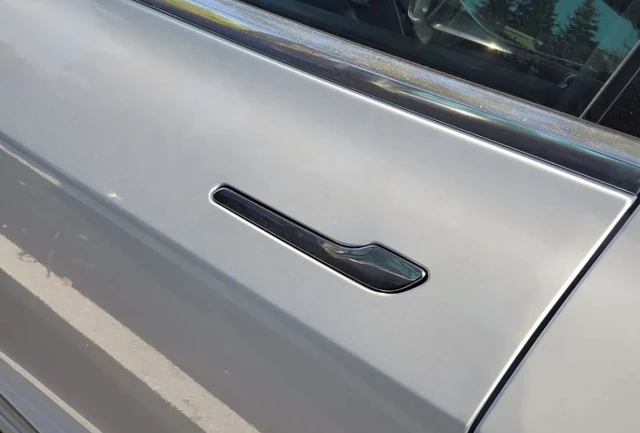
Technical analysis has exposed a fundamental architectural flaw: while manual overrides exist, they are situated solely within the cabin and, more critically, can be rendered useless if the electronic locks lack sufficient battery voltage. Consequently, the concept of an "emergency exit" becomes a mere formality—one that fails precisely when it is most needed, such as during a catastrophic accident or a deep system discharge.
The situation is further exacerbated by the fact that these failures have manifested even under nominal operating conditions. There have been documented cases where owners were locked out of their own vehicles due to frozen mechanisms, occasionally with children trapped inside. In response, the manufacturer attempted to implement software workarounds—firmware updates and mobile app functionality allowing for remote door unlocking. However, such measures address user convenience rather than mitigating the existential safety risk posed by a total electronic collapse.
At this stage, the NHTSA has not issued a definitive ruling on new regulations; instead, it has entered a phase of data collection and public consultation. Nevertheless, the mere acceptance of the petition indicates that the regulator recognizes a systemic failure in current vehicle access design. Should new standards be adopted, manufacturers will be forced to pivot back to fully autonomous, purely mechanical emergency egress systems that operate independently of software code or battery state.
 The Price of Intellectual Supremacy: Huawei’s Pursuit of Technological Dominance