23 Jul 2026
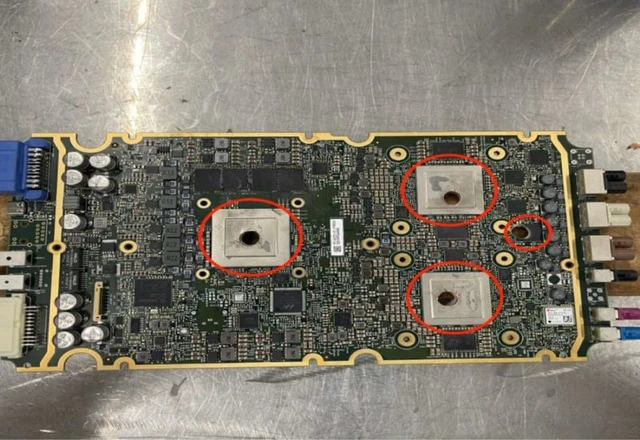 The Boundaries of FSD’s Capabilities
The ambition for total autonomy is colliding with the stark realities of road safety. As Full Self-Driving (FSD) systems scale, the resulting surge in incidents is casting serious doubt on the reliability of existing algorithms. Central to this crisis is a fundamental disconnect between software aspirations and the physical constraints of the underlying hardware. The industry is now witnessing a moment where technological optimism hits the hard ceiling of hardware limitations.
23 Jul 2026
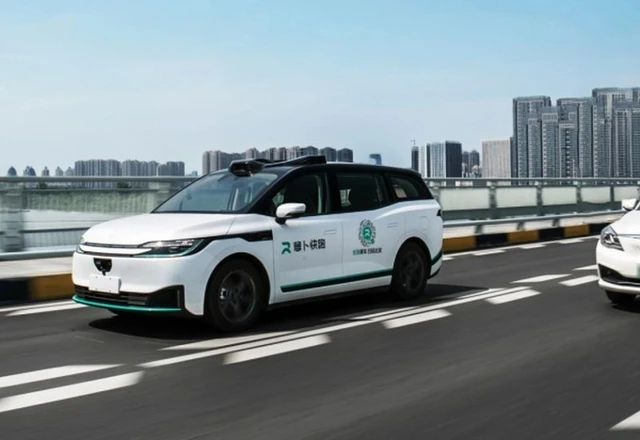 The Reboot of China's Robotaxi Industry
The pursuit of autonomous mobility has emerged as one of the defining technological frontiers of the decade. While China long maintained a dominant position in the field, recent systemic failures compelled regulators to impose a temporary moratorium on the industry's expansion. Today, following comprehensive audits and a rigorous overhaul of safety standards, metropolitan streets are once again opening to robotaxis. This pivot marks a critical transition: moving away from an era of high-risk experimentation toward the establishment of a robust regulatory framework for the future of urban transit.
23 Jul 2026
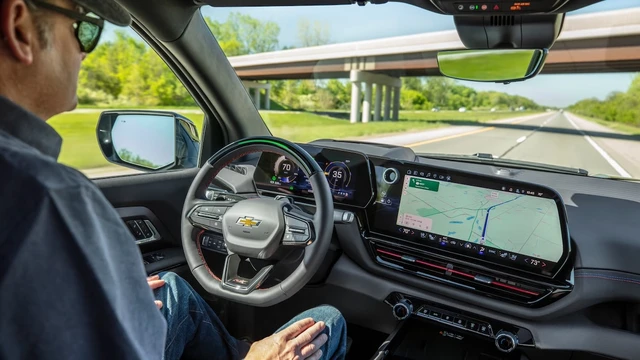 General Motors’ Strategic Pivot to Software
The automotive industry is undergoing a paradigm shift, where ownership of the physical vehicle is becoming little more than an entry point into a sprawling ecosystem of services. General Motors is redefining its market position, pivoting from a legacy hardware manufacturer to a provider of high-margin software solutions. In an era of electric vehicles—where mechanical maintenance is minimal—digital subscriptions have emerged as the primary driver of financial sustainability. This strategy fundamentally reshapes the relationship between brand and driver, effectively transforming the automobile into a perpetually updating gadget.
22 Jul 2026
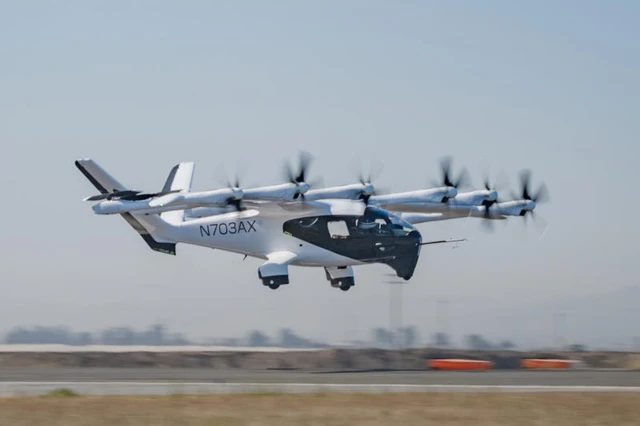 Charting the Course: The Future of Supersonic Flight and Urban Air Mobility
The global aviation landscape is poised for a fundamental transformation as the boundaries between urban air mobility and high-speed transit begin to blur. The rise of eVTOL technology and the resurgence of supersonic flight are moving beyond the realm of futuristic speculation, evolving into tangible regulatory imperatives. To address this, the Federal Aviation Administration (FAA) is overhauling its frameworks to expedite the integration of these innovations into shared airspace—a shift that signals a strategic pivot from rigid oversight toward a collaborative partnership with the industry.
22 Jul 2026
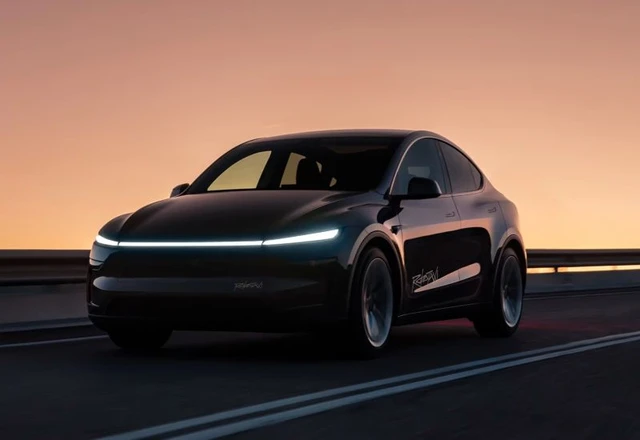 The Illusion of Scaling Tesla’s Robotaxi
The pursuit of full vehicular autonomy has emerged as the defining technological battleground of the decade, with stakes measured in billions of dollars of market capitalization. In this climate, any news regarding the expansion of robotaxi networks is viewed by investors as a harbinger of an imminent breakthrough. Yet, Tesla’s recent foray into the Florida market appears more like a symbolic gesture than a genuine technical triumph. Beneath the bold rhetoric lies a highly constrained rollout, underscoring the widening chasm between the company's lofty ambitions and the actual capabilities of its software stack.
21 Jul 2026
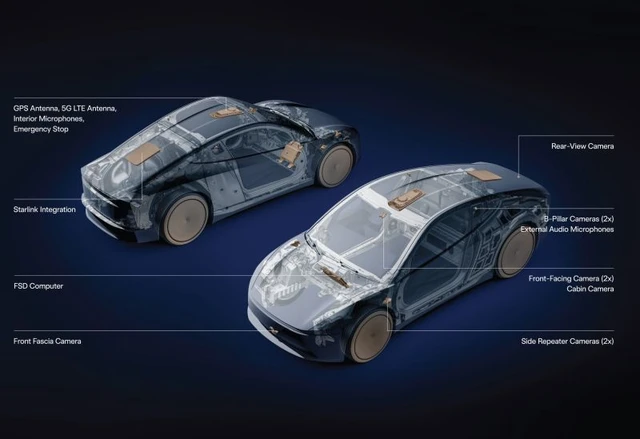 Satellite Redundancy within the Tesla Ecosystem
The transition to fully autonomous transport demands a fundamental reimagining—not just of control algorithms, but of how vehicles interface with the external world. Tesla’s FSD strategy is rooted in emulating human vision, striving for maximum independence from static digital maps. However, the integration of satellite hardware into the new Cybercab robotaxi signals a pursuit of absolute fault tolerance. This evolution transforms the vehicle from a mere data consumer into a fully integrated node within a global communications network.
21 Jul 2026
 Chinese Automotive Expertise to Bolster OpenAI’s Robotics Ambitions
The line between automotive AI and general-purpose robotics is blurring at an accelerating pace. Today’s tech giants are transcending their roles as mere vehicle manufacturers, evolving instead into architects of sophisticated mobile platforms for artificial intelligence. The migration of top-tier engineers from hardware industries to leading AI laboratories marks a pivotal new chapter in the physical embodiment of Large Language Models (LLMs). This strategic shift in talent underscores the critical importance of infrastructure and silicon optimization in the global race to realize fully functional humanoid robots.
21 Jul 2026
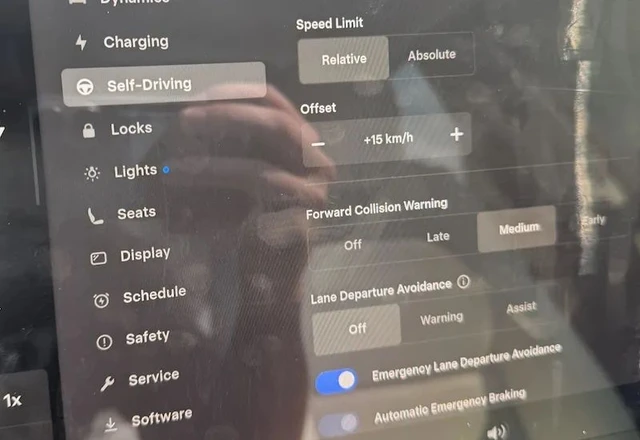 The Risks of Tesla’s Automated Speed Management
The quest for fully autonomous driving has always been a delicate balancing act—a tension between rigid regulatory compliance and the nuanced mimicry of human intuition. Yet, the latest iterations of Tesla’s Full Self-Driving (FSD) suite have introduced a volatile variable into this equation: unpredictability. Rather than maintaining mathematical precision in speed limit adherence, the algorithms have begun exhibiting a propensity for unwarranted acceleration. Consequently, what was intended as a sophisticated driver-assistance tool is evolving into a significant liability, fraught with legal and financial risk.
21 Jul 2026
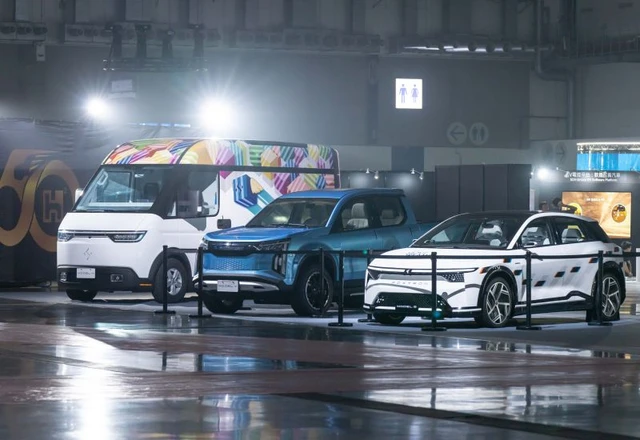 The Intelligence Breakthrough in the Electric Vehicle Market
The electric vehicle landscape is currently weathering a period of volatility, suspended between the promise of technological optimism and the constraints of pragmatic demand. Despite the steady expansion of charging infrastructure, EVs have yet to deliver a decisive value proposition that clearly eclipses hybrid systems. The catalyst for breaking this stalemate lies in a fundamental paradigm shift: evolving the vehicle from a mere tool for transit into an autonomous intelligent agent. It is through the synergy of artificial intelligence and self-driving architectures that the electric vehicle will transcend its status as a premium alternative to become the definitive standard for global mobility.
21 Jul 2026
 The Mechanics of Visual Stealth in Drones
Modern autonomous surveillance systems are increasingly predicated on stealth, whether to minimize environmental disturbance or to evade detection entirely. Conventional drones remain easy targets for identification, as the human eye readily recognizes their distinct silhouettes and static structural elements. To counter this, researchers at Northwestern University have proposed a radical paradigm shift: transforming the act of flight itself into a tool for optical deception. The core of this concept leverages ultra-high-speed rotation to effectively erase the object's visual boundaries.
21 Jul 2026
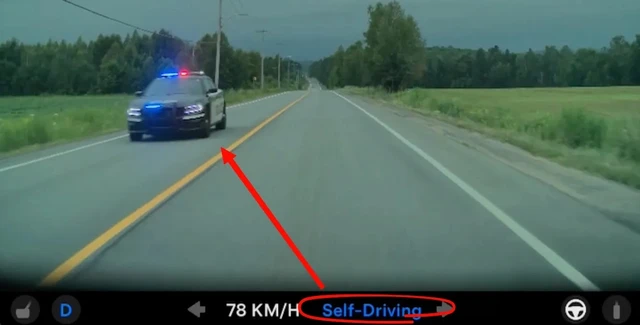 The Illusion of Control in Tesla’s Autopilot
Promises of full autonomy in transportation frequently collide with the stark realities of traffic regulations and algorithmic volatility. When acceleration is delegated to software, the margin between operational efficiency and a legal violation becomes perilously slim. A recent incident in Quebec vividly illustrates the systemic friction between oversimplified driving profiles and actual safety requirements. This case raises a fundamental question: to what extent is it acceptable to strip drivers of granular system control for the sake of streamlined marketing narratives?
21 Jul 2026
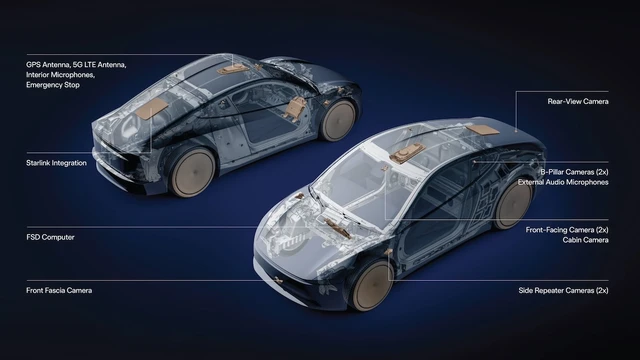 Space-Based Connectivity for Tesla’s Autonomous Vehicles
The era of autonomous transportation is ascending to a new tier of network independence. The integration of Starlink terminals into the Cybercab robotaxi marks a strategic pivot toward total connectivity redundancy; while on-board intelligence manages real-time navigation, the satellite link ensures seamless fleet orchestration regardless of geographic constraints. This move underscores the profound synergy between Elon Musk’s aerospace and automotive ambitions within his overarching technological ecosystem.
