For years, the ambition to merge human cognition with machine processing power was synonymous with invasive surgical procedures. While Elon Musk’s Neuralink doubles down on high-precision implants, a contrasting philosophy of Brain-Computer Interface (BCI) is taking shape in China. The strategy here pivots toward non-invasive wearables—devices that bypass the inherent risks of craniotomy and significantly lower the barrier to entry. This shift is effectively transitioning neural interfaces from the realm of experimental medicine into a scalable, consumer-ready product.
The current arms race in Brain-Computer Interface (BCI) development has diverged into two distinct paradigms. The first, most prominently championed by Neuralink, relies on deep cortical penetration to achieve maximum signal fidelity and precision. The second path, aggressively pursued by Chinese tech giants and startups, is built upon the principle of non-invasiveness. The objective here is clear: to restore lost bodily functions or augment human cognitive capabilities without the need for craniotomy.
The Chinese government has elevated BCI development to a strategic imperative, integrating the field into its five-year development plan for "industries of the future." This has acted as a powerful catalyst for solutions across a broad spectrum of complexity—ranging from minimally invasive devices, such as those developed by Neuracle Medical Technology for spinal cord injury rehabilitation, to entirely external systems. While firms like StairMed and NeuroXess continue to iterate on implants, the primary trend is shifting toward wearable gadgets and ultrasonic stimulation methods—developments mirrored in Western laboratories, such as Merge Labs, backed by Sam Altman.
A pivotal player in this shift is the Hangzhou-based startup BrainCo. The company’s core ethos is rooted in the belief that many neurologically driven conditions, particularly those resistant to pharmacological treatment, can be corrected non-invasively. This approach not only mitigates the physical and psychological risks for the patient but also radically lowers the cost of therapy.
The primary technical hurdle for non-invasive methods remains the "signal-to-noise ratio." The skull acts as a formidable filter, attenuating electrical impulses from the brain and leaving them weak and riddled with interference. To overcome this barrier, BrainCo has engineered a sensor system utilizing dry electrodes paired with advanced AI algorithms capable of effectively decoding neural signals even when the raw data quality is low.
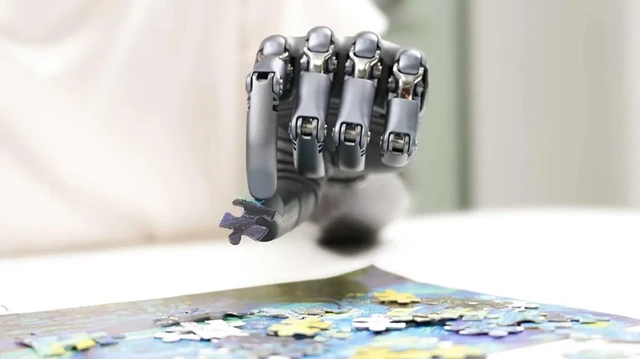
The practical application of these technologies is already transcending the realm of theoretical research. BrainCo’s FDA-approved bionic arms operate by reading residual neuromuscular impulses from amputated limbs, translating them into precise digital finger movements. Simultaneously, the company is developing sleep-correction devices that employ low-intensity electrical stimulation to regulate the neurochemical processes responsible for stress reduction.
The commercial roadmap for neurotech expansion is calculated and pragmatic: first, penetrate the medical insurance market by assisting people with disabilities; second, pivot toward treating psychiatric disorders such as ADHD and depression; and finally, enter the mass-market consumer electronics sector. The ultimate goal is the creation of a universal BCI platform that can be licensed to other developers.
The financial markets are already validating this trajectory. Investments totaling $280 million from heavyweights like IDG Capital and Walden International underscore market confidence in non-invasive methodologies. Analysts at Jefferies Financial Group note that despite the technical challenges regarding signal fidelity, ultrasonic and external interfaces are the most promising from the perspectives of commercialization and safety. Ultimately, victory will not go to the method providing the highest neural resolution, but to the one that proves accessible and safe for millions of people.
 The Strategic Alliance of Nvidia and MediaTek