Modern medicine is increasingly hitting the ceiling of human perception, where cognitive biases often cloud the interpretation of complex diagnostic data. In the era of precision healthcare, seeking a second opinion is no longer a mere formality; it has evolved into a critical survival strategy. The integration of Large Language Models (LLMs) into medical imaging analysis paves the way for detecting subtle, rare patterns that might elude even the most seasoned clinicians. A single patient's case illustrates how the synergy between personalized data and AI can prevent over-treatment and safeguard a patient's quality of life.
Chance often becomes the sole ally when battling rare pathologies. This was the case for a patient who, while at the peak of physical fitness and utilizing every modern biohacking tool—from Oura rings to the annual monitoring of hundreds of blood biomarkers—was blindsided by aggressive non-Hodgkin lymphoma. The disease was discovered by accident: a medical consultation regarding thrombosis in the veins of the arm led to pre-operative screening, which revealed an 11×11×8 cm mass behind the sternum. A biopsy confirmed an exceedingly rare form of the disease resulting from a random genetic mutation, entirely unrelated to lifestyle. The tumor progressed rapidly; a few more weeks of hesitation could have pushed the disease into stage four.
This crisis became a collision point between traditional medical protocols and data-driven analysis. Faced with a choice between two chemotherapy regimens, the patient noted a significant discrepancy in prognoses: a mild regimen offered roughly a 60% chance of success, whereas an aggressive inpatient course raised that probability to 85%. In a situation where the opinion of a single authoritative specialist could determine the clinical outcome, a strategy of massive data aggregation was employed. Consultations with twelve leading hematologists and oncologists from the US and other countries confirmed the necessity of the more aggressive path.
The rehabilitation process was characterized by deep physiological monitoring. The use of wearables, such as Whoop, allowed for the prediction of immune dips often before clinical symptoms manifested. A systemic approach to sleep, nutrition, and psychological fortitude, combined with a detailed side-effect diary, transformed treatment into a managed process where data served as the primary instrument of control.
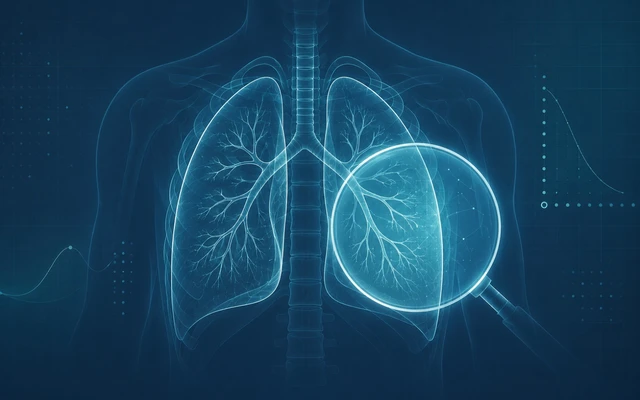
The critical moment arrived during the final stage of therapy. A follow-up PET scan yielded ambiguous results, prompting the treating physician to consider second-line therapy—radiation targeting the heart and lungs. However, a review of medical literature revealed that in this specific pathology, the rate of false-positive PET scans reaches 60%. To verify the data, the Claude model was utilized: PET and MRI images were uploaded into the system. The AI identified a specific but frequently overlooked effect—thymus reactivation in patients under 40 following chemotherapy, which mimics disease activity on scans. Given the patient's age and scan characteristics, the model estimated the probability of this scenario at 90%. Subsequent confirmation from a fourth independent physician averted unnecessary and dangerous radiation.
This case illustrates a global trend: according to KFF data, nearly one-third of American adults already use chatbots for medical information. Despite professional warnings regarding AI hallucinations and the lack of comprehensive clinical trials for general-purpose models in personalized diagnostics, the value of such tools is evident. Neural networks do not replace the physician; rather, they radically redefine the patient's role, enabling them to ask precise, highly specific questions—particularly when dealing with rare conditions that a clinician might encounter only once a year.
Experience interacting with the healthcare system from the inside—first as a patient and later as the creator of medical automation services (specifically, the company Keragon)—confirms that AI's potential for clinical decision support is available today. This is not some distant prospect decades away, but a functional tool that, when used correctly, becomes a powerful filter against medical errors and over-treatment.
 Anthropic’s Strategic Push for Hardware Independence