The convergence of Large Language Models and biology is evolving from a phase of theoretical utility into one of practical synthesis. While most AI laboratories confine their efforts to developing tools for researchers, Anthropic is making an audacious leap toward direct pharmaceutical production. This strategic pivot transforms a software provider into a potential rival to the global pharmaceutical titans—a high-stakes wager on the capacity of artificial intelligence to eradicate humanity's "forgotten" diseases.
The recent "The Briefing: AI for Science" forum has signaled a pivotal shift in the trajectory of generative intelligence. The unveiling of Claude Science—a specialized research environment designed to unify fragmented datasets and visualization tools—initially appeared as another incremental step toward optimizing scientific workflows. However, beneath this polished interface lies a far more radical strategy: Anthropic intends to venture into drug development.
The company has declared its intent to target "neglected" diseases—those medical frontiers largely abandoned by corporate giants due to limited commercial viability. While the specific list of pathologies remains confidential, this declaration alone elevates Anthropic from a mere technology provider to a full-fledged contender in the biomedical market.
This pivot introduces a uniquely fraught market dynamic. The industry is already populated by heavyweights like Isomorphic Labs (a Google DeepMind spin-off) and Insilico Medicine, both of whom have spent years integrating AI into the drug discovery pipeline. Yet, Anthropic is pushing further: it isn't simply selling tools to biotech firms; it is becoming their direct competitor. This creates a classic conflict of interest where the infrastructure provider competes with its own clients for the prestige and profit of the first effective molecular patent.
Despite the prevailing technological optimism, the academic community maintains a healthy dose of skepticism. The fundamental issue with "AI for drug discovery" is that the term conflates vastly different processes: from the primary screening of millions of compounds and protein structure prediction to the grueling reality of clinical trials. Pharmaceutical titans like AstraZeneca or GSK have long utilized neural networks, yet even they cannot fully automate the journey from hypothesis to pharmacy shelf.
The primary bottleneck remains a critical shortage of high-quality experimental data. Biological systems are characterized by immense stochasticity and complexity; current models are not yet capable of entirely replacing empirical experimentation. Even the most sophisticated neural network cannot guarantee a drug's safety or efficacy within a living organism without physical validation.
Clinical trials serve as the ultimate filter—the stage where the vast majority of promising candidates are weeded out. The regulatory approval process (via agencies like the FDA) demands rigorous human oversight and years of safety verification. To date, no drug developed exclusively by AI has completed the full trial cycle and received final approval for mass human application.
Nonetheless, Anthropic’s maneuvers signal a serious commitment. The company has moved beyond theoretical discourse to build physical infrastructure; over the past year, it has begun constructing its own "wet labs" and aggressively recruiting domain experts. By poaching leading biologists from Big Pharma and prestigious universities, Anthropic is signaling that it is building a comprehensive R&D center rather than simply training another model on open-source datasets.
The tangible results of this expansion will not materialize for another five to ten years—the standard duration of a clinical research cycle for a new drug. Anthropic is playing the "long game," acknowledging that the path from digital simulation to a physical pill will be costly, risky, and fraught with uncertainty. But if the gamble pays off, we may witness the emergence of a new corporate archetype: vertically integrated giants where intelligence designs the cure, and the laboratory merely confirms its efficacy.

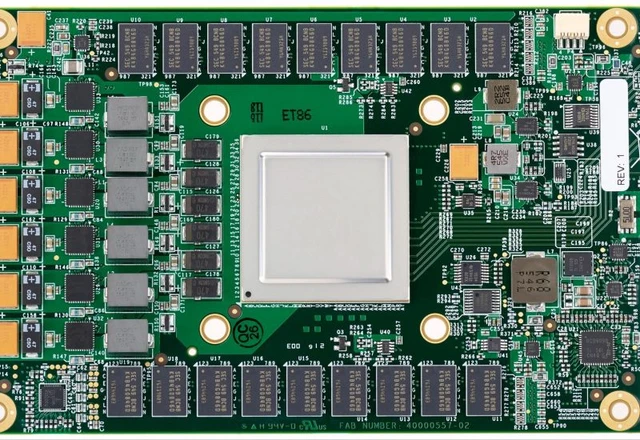 Anthropic’s Strategic Push for Hardware Independence