27 Jul 2026
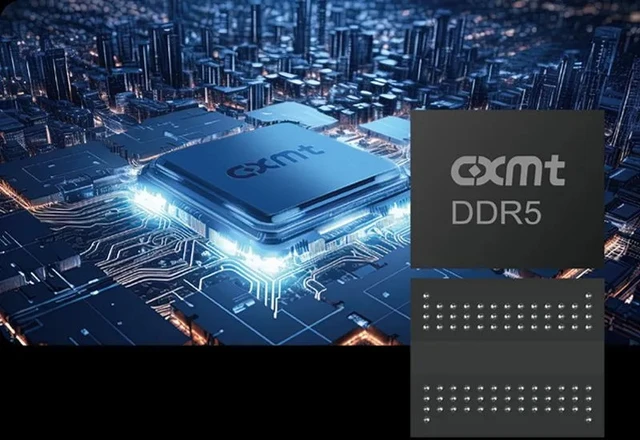 CXMT’s Strategic Expansion in the Age of Artificial Intelligence
The global race for AI supremacy has shifted from the realm of algorithms to the physical reality of semiconductor manufacturing. CXMT’s market entry stands as one of the most pivotal events in the tech sector over the last decade, signaling a massive investor appetite for hardware infrastructure. This momentum underscores China's ambition to build a fully autonomous memory ecosystem, decoupled from Western restrictions. At this stage, the objective has transcended mere profitability; it is now a matter of strategic survival under the pressure of stringent export controls.
26 Jul 2026
 The Economics of Scarcity in the Semiconductor Industry
The global microelectronics market is currently grappling with a profound structural crisis, one where the traditional laws of supply and demand have become fundamentally distorted. The industry is plagued by an acute shortage of essential components, compelling major players to overhaul their pricing strategies and pivot their production priorities. Against this backdrop, financial reports from leading chipmakers reveal a paradoxical trend: revenues are climbing even as physical shipment volumes contract. This shift underscores the digital economy's precarious reliance on the limited capacity of silicon wafer and memory fabrication.
25 Jul 2026
 The Cost of Skepticism Surrounding Large Models
The era of blind faith in the infinite growth of artificial intelligence is giving way to a period of rigorous pragmatism. Investors are no longer swayed by lofty promises; they are now demanding tangible financial returns on multi-billion dollar investments. The current price correction among the leading US tech giants signals a profound crisis of confidence regarding the efficacy of their massive capital expenditures. The market is shifting from a state of euphoria to a phase of critical scrutiny over the actual return on investment.
25 Jul 2026
 The Price of Intel’s Technological Leap
The semiconductor market has evolved into a high-stakes battlefield where traditional financial metrics are no longer the sole barometer of success. Intel serves as a prime example of the industry's current paradox: operational gains and beating analyst expectations can be entirely eclipsed by investor anxiety over the sheer cost of expansion. At the heart of this tension is the clash between the necessity for massive capital expenditure in AI infrastructure and the relentless demand for immediate financial returns. This dynamic reflects a broader global trend currently reshaping the landscape for the tech sector's primary titans.
25 Jul 2026
 Technological Protectionism and US Trade Pressure
The global digital economy is entering a period of acute confrontation. The escalating friction between the U.S. administration and the European Union over antitrust penalties for Big Tech signals a decisive pivot toward aggressive protectionism. At the core of this dispute lies a struggle for regulatory hegemony over the world's most influential digital platforms—a clash that threatens to reshape the very foundations of international trade through the strategic application of tariff pressures.
25 Jul 2026
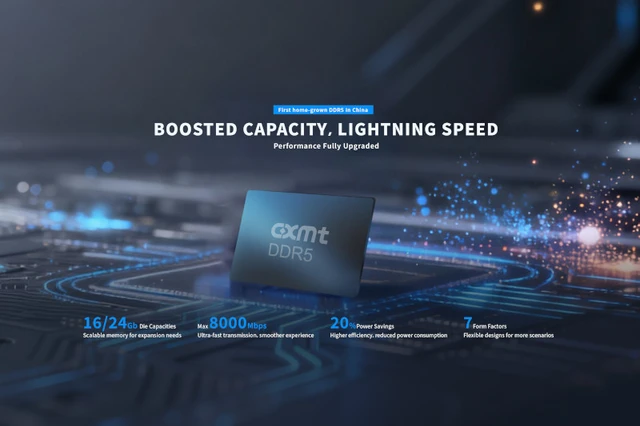 A New Order in Memory Manufacturing
The global AI surge has triggered an unprecedented shortage of semiconductor memory, fundamentally reshaping the industry's power dynamics. Chinese titans CXMT and YMTC—long dismissed as mere beneficiaries of state subsidies—have rapidly evolved into formidable market contenders. Today, they are no longer merely competing with global incumbents; they have begun to exert significant leverage over the industry's largest buyers. This transformation signals a strategic pivot: moving away from low-cost dumping toward a position of aggressive pricing dominance.
25 Jul 2026
 The Paradox of Investment and Layoffs in Silicon Valley
The global technological landscape is currently weathering a period of deep and painful correction. While capital expenditures in AI infrastructure are reaching staggering proportions, thousands of highly skilled professionals are being purged from the workforce. A stark paradox has emerged: the industry is expanding rapidly in terms of financial investment, yet contracting in terms of human capital. We are witnessing a fundamental paradigm shift in how the world's largest corporations conceptualize productivity and talent management.
25 Jul 2026
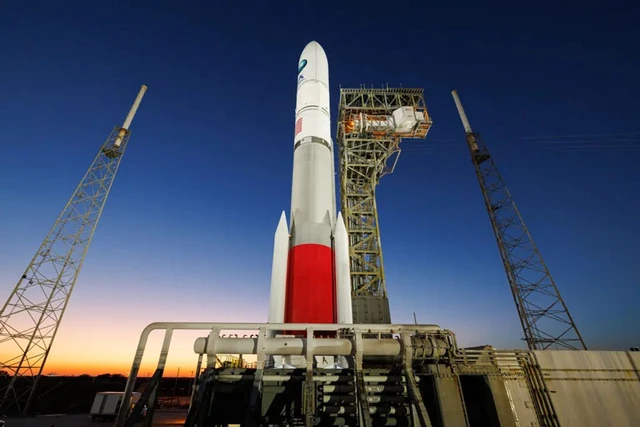 The Cost of Downtime for the Vulcan Centaur System
Modern spaceflight demands absolute precision, where the slightest technical oversight can trigger a catastrophic financial fallout. The current predicament of the Vulcan Centaur serves as a stark reminder of how vulnerable even industry titans are to systemic supply chain disruptions. When ambitious launch manifests collide with the harsh reality of manufacturing defects, the impact extends beyond delayed schedules—it threatens the very economic viability of the corporation. United Launch Alliance now finds itself in a precarious position, scrambling for stability while its flagship technological asset remains grounded.
24 Jul 2026
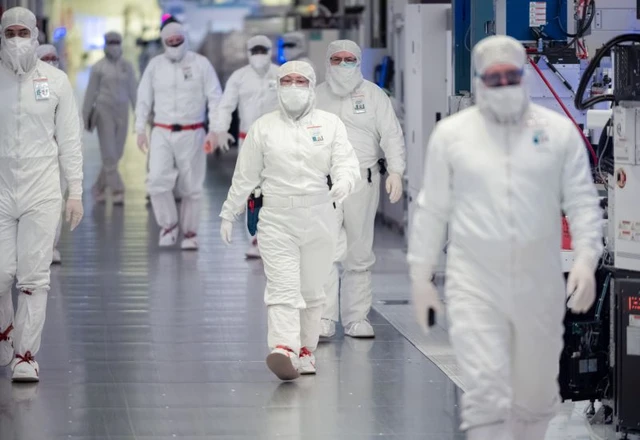 Intel’s Return to the Era of High-Performance Computing
The global semiconductor market is undergoing a tectonic shift, propelled by the explosive rise of generative AI. Against this backdrop, Intel’s latest financial performance serves as a critical bellwether for the viability of its strategy to reclaim technological primacy. A sharp spike in revenue, coupled with the overhaul of manufacturing processes, suggests that the industry titan has found its leverage within the current computing cycle. This is more than a momentary quarterly victory; it is a systemic effort to re-engineer the company's core foundations amidst an environment of cutthroat competition.
24 Jul 2026
 Capitalizing on Influence: Alphabet’s Strategic Position in Anthropic
The global AI arms race has long since evolved beyond mere programming; it is now a battle of massive financial maneuvering. While the Microsoft-OpenAI alliance has become the gold standard for industrial partnerships, Alphabet is playing a more nuanced—yet equally aggressive—game with Anthropic. Recent valuation data reveals that this strategic bet has evolved into one of the most consequential investments in the history of the technology sector. This is about building a strategic hedge designed to secure Google’s dominance, regardless of whether external rivals succeed.
24 Jul 2026
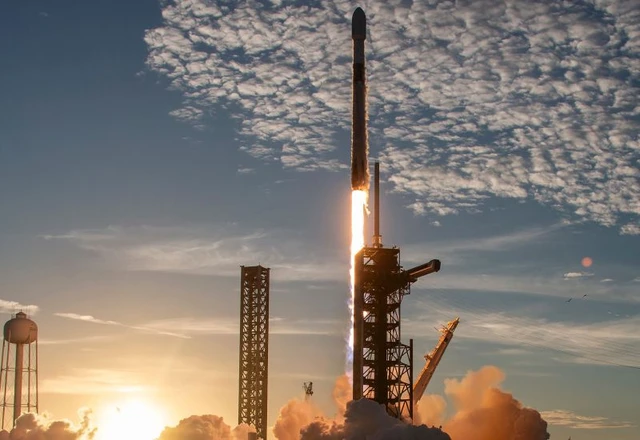 Alphabet’s Space Capital
The contemporary technological landscape is transcending the traditional boundaries of software and cloud computing, expanding into the tangible frontier of space exploration. SpaceX's move toward the public market has served as a watershed moment, unveiling the intricate and vast financial networks linking Silicon Valley’s most powerful titans. At the heart of this shift lies Alphabet; its strategic, long-term investments have positioned the conglomerate as a primary beneficiary of the burgeoning private space industry. Such a strategy underscores the ambition of Big Tech to architect truly diversified ecosystems—integrated frameworks that span everything from neural networks to interplanetary travel.
24 Jul 2026
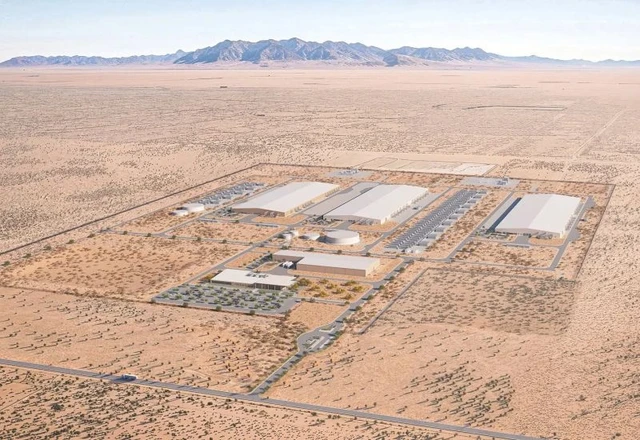 The Cost of AI Computational Power
The global race for AI supremacy has fundamentally shifted; it is no longer a battle of algorithms, but a war of physical infrastructure. The construction of colossal data centers demands astronomical capital expenditures, pushing tech titans toward sophisticated financial engineering to mask their mounting debt loads. However, capital markets are beginning to price in these escalating risks, driving up borrowing costs even for the industry's most dominant players. This trend signals the dawn of an era where unfettered access to cheap capital is no longer a guaranteed catalyst for AI expansion.
