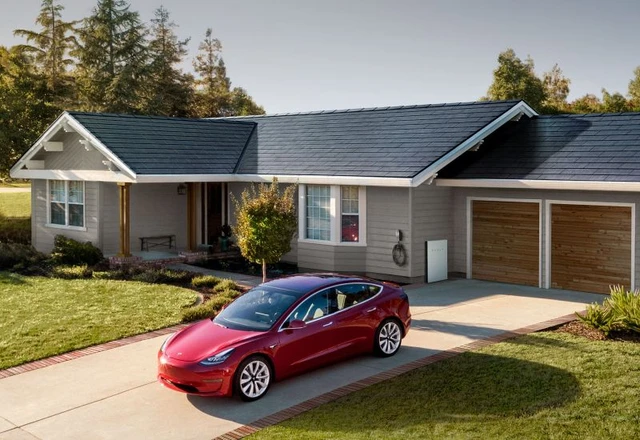
The energy transition demands more than just bold innovation; it requires a rigorous sense of economic pragmatism. For years, Tesla sought to merge the aesthetics of residential architecture with the utility of renewable energy. Yet, the ambition to transform a standard rooftop into a fully functional power plant collided head-on with the cold realities of market dynamics. Today, the company is effectively conceding defeat in the pursuit of design perfection, pivoting back toward more pragmatic, battle-tested solutions.
The saga of Tesla’s Solar Roof serves as a cautionary tale of how a lofty vision can crumble under the weight of mass production and operational complexities. For years, the company—dominant in the EV market—sought to build a comprehensive energy independence ecosystem, transforming the home into an active power plant. However, the aesthetic ambition—creating a roof that looks like conventional tiles while functioning as a solar array—proved to be prohibitively expensive and technically grueling.
The decision to discontinue the product was the inevitable result of economic non-viability. Installation partners have now been notified that further procurement is impossible. The product's digital footprint is being systematically erased: website sections dedicated to the "Solar Roof" now redirect users to traditional solar panels. Tesla’s current energy portfolio is stripped back to its proven core: standard panels, Powerwall home storage, and industrial-scale Megapacks.
The roots of this failure trace back to 2016, when Tesla acquired SolarCity for $2.6 billion in a bid to expand into the renewable energy sector. Funded by shareholders, the deal was intended to be the foundation of an energy breakthrough. Yet, behind the polished veneer of the presentations lay systemic issues. It later emerged that early product demonstrations relied on mockups, and actual mass production—at a rate of a thousand kits per week—only became feasible by 2020.
The chasm between marketing promises and operational reality proved critical. While forecasts predicted mass adoption, actual installation rates hovered at a mere two to three dozen roofs per week. Over the project's seven-year lifespan, fewer than 3,000 kits were installed in the US—a negligible figure given the scale of Tesla's business.
The situation was further exacerbated by a catastrophic shortage of service personnel. Owners of these premium solar roofs waited months for repairs, transforming an innovative product into a costly liability. Ultimately, aesthetics lost to efficiency: traditional solar panels, despite their utilitarian appearance, proved to be a far more reliable and profitable solution. Tesla is pivoting toward pure functionality, consigning the pursuit of the "perfect roof" to the archives of corporate ambition.
 Anthropic’s Record-Breaking Stock Market Debut