20 Jul 2026
 The Hardware Bedrock of Gemini’s Evolution
The global AI arms race has shifted its center of gravity, moving beyond the realm of algorithms into the physical constraints of silicon. Computational scarcity has emerged as a critical bottleneck, impacting not only the pace of innovation but also the commercial viability of cloud titans. In response, Google is doubling down on deep hardware-software co-design through project Frozen v2—a strategic pivot designed to alleviate this "compute crunch" and unlock unprecedented efficiency for Gemini.
20 Jul 2026
 Secure Remote Management Standard
In an era of pervasive digital surveillance, data privacy has emerged as the pivotal criterion for selecting enterprise software. For too long, the remote access market has been dominated by proprietary behemoths—closed-source incumbents that stifle customizability and obscure operational transparency. The rise of open alternatives is disrupting this paradigm, granting organizations total infrastructural sovereignty and guaranteed confidentiality. The latest release of HopToDesk (version 1.46.6) solidifies this trajectory, seamlessly blending the security of end-to-end encryption with comprehensive cross-platform flexibility.
20 Jul 2026
 Voice Interfaces for Ultra-Compact Systems
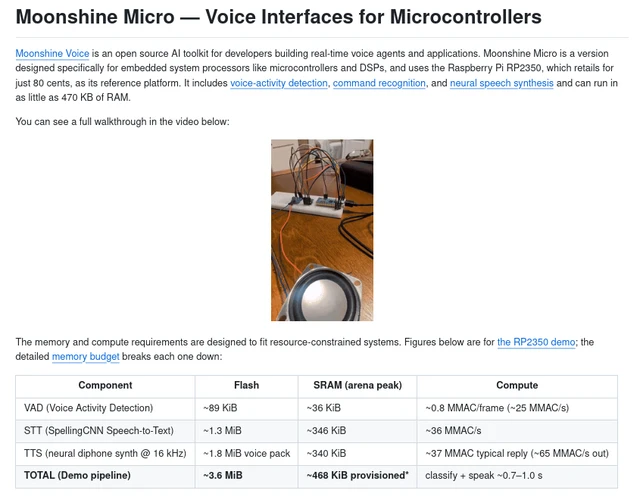
The contemporary electronics industry is driving a strategic shift toward migrating complex computations from cloud servers directly to edge devices. This paradigm shift drastically reduces data processing latency and ensures absolute user privacy. The Moonshine Micro project serves as a compelling proof of concept, demonstrating that a fully functional voice interface can operate even under extreme resource constraints. Ultimately, the solution validates the technical feasibility of deploying neural speech synthesis and recognition on affordable, low-cost hardware.
20 Jul 2026
 The Evolution of Meeting Context within the Microsoft Ecosystem
The corporate landscape is pivoting rapidly toward a paradigm of intelligent productivity, where the drudgery of manual information retrieval is being supplanted by generative models. Microsoft continues its aggressive push to integrate AI into every facet of its ecosystem, fundamentally transforming familiar interaction tools. Yet, the transition from basic algorithms to sophisticated large language models inevitably necessitates a shift in access and pricing structures. The latest overhaul of Outlook’s functionality exemplifies this trend: core capabilities are increasingly yielding to premium, Copilot-powered services.
20 Jul 2026
 The Trap of Proprietary Office Software Standards
The global productivity software market has long been a battleground where the ethos of open access clashes with strategies of corporate hegemony. At the heart of this conflict stand The Document Foundation and Microsoft—two entities with fundamentally divergent philosophies regarding data sovereignty. This is not merely a question of file interoperability; it is about the fundamental right of the user to maintain absolute control over their own information. The friction surrounding proprietary formats exposes a systemic issue of vendor lock-in, creating a technological dependency that stifles the digital autonomy of millions of organizations worldwide.
20 Jul 2026
 Stim Machine Compact Gaming PC
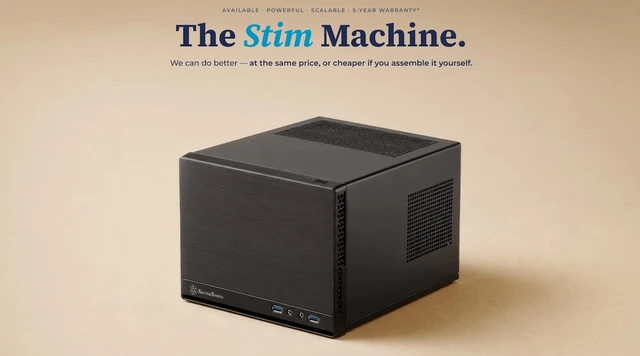
The Small Form Factor (SFF) gaming market has long since evolved beyond its origins as an enthusiast's niche, emerging as a legitimate alternative to traditional consoles. The drive to marry the raw performance of a full-fledged PC with the seamless ergonomics of a living room setup has birthed a new generation of hardware designed to disrupt closed ecosystems. Enter the Stim Machine from French retailer LDLC—a system engineered to redefine the equilibrium between high-end performance and compact footprints. This philosophy is rooted in a commitment to an open-platform architecture powered by cutting-edge hardware.
20 Jul 2026
 The Hardware Standard for Gemini Models
The AI arms race is shifting its focus, moving beyond software algorithms toward deep hardware specialization. Google is making a bold move, attempting to effectively "hardwire" the logic of its neural networks directly into the silicon. This strategy aims to address the critical bottlenecks of power consumption and compute shortages that are currently hindering the scalability of cloud services. Project Frozen v2 signals a shift toward an era of absolute vertical integration—a paradigm where the model and the chip evolve into a single, unified entity.
20 Jul 2026
 Security Vulnerabilities in Romania’s State Digital Registries
The digitalization of government services has birthed a perilous paradox: as operational efficiency climbs, so too does the attack surface available to malicious actors. The massive outage within Romania’s land registry serves as a stark illustration of this systemic fragility. What was initially framed as a routine technical glitch evolved into the most significant security breach in the agency's history. This case underscores the critical risks inherent in centralized data storage and highlights the precarious nature of contemporary government IT infrastructure.
19 Jul 2026
 Internal Schism Within the Semiconductor Giant
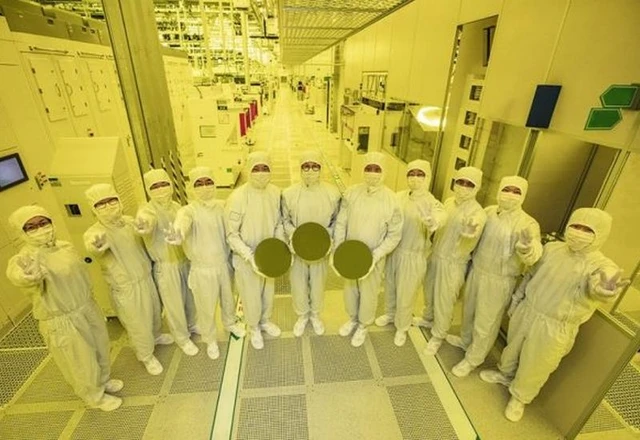
In the modern microelectronics industry, human capital is simultaneously the most valuable and the most volatile asset. When internal incentive mechanisms are applied inconsistently, organizational cohesion rapidly gives way to profound disillusionment. Samsung Electronics has fallen prey to this exact phenomenon, having created a critical compensation gap between its various divisions. Today, this disparity threatens the company with a mass exodus of the key specialists essential for maintaining technological leadership in the contract manufacturing segment.
19 Jul 2026
 The Commercial Potential of Valve’s Gaming Stations
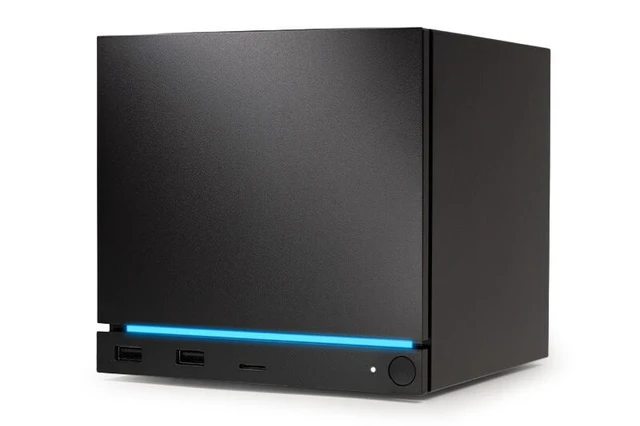
For years, the divide between the curated experience of console gaming and the open architecture of the PC has been a precarious territory for hardware manufacturers. Valve’s ambitious effort to bridge this gap via the Steam Machine was initially greeted with skepticism, largely driven by its aggressive pricing strategy. Yet, early market indicators suggest that the appetite for integrated ecosystems has far exceeded the pessimistic projections of industry critics. A closer analysis of current trends prompts a fundamental reassessment of the viability of the premium compact gaming segment.
19 Jul 2026
 GeForce RTX 50: Thermal Performance Insights
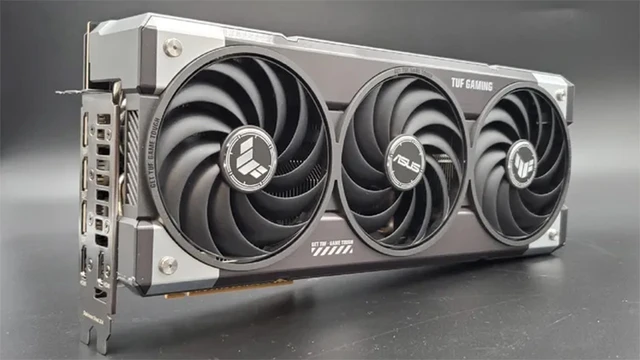
Managing GPU thermals is paramount to ensuring the stability and longevity of contemporary high-performance hardware. However, the launch of the Blackwell series introduced a frustrating hurdle: Nvidia obscured "Hot Spot" temperature readings, leaving users with only aggregated averages. This move set a precarious precedent, potentially masking underlying hardware defects until they trigger aggressive thermal throttling. Restoring access to this telemetry via third-party utilities reinstates essential transparency, equipping enthusiasts and professionals with the granular diagnostic tools required for comprehensive system health monitoring.
19 Jul 2026
 Unlocking the Hidden Potential of Nvidia GPU Thermal Monitoring
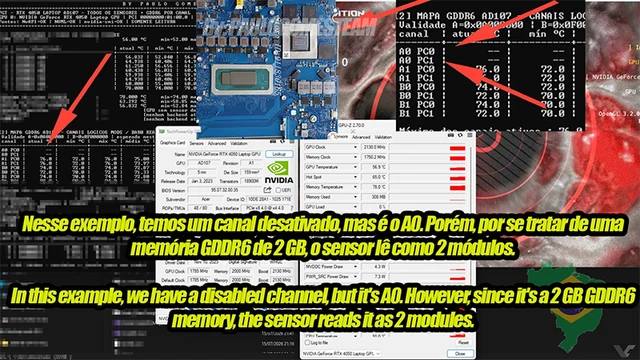
Modern graphics accelerators are marvels of engineering—complex systems where thermal management directly dictates both operational stability and hardware longevity. For too long, users have relied on aggregated temperature metrics, broad averages that often mask the critical state of individual components. Recent research has revealed that Nvidia's hardware provides far more granular data than standard software interfaces typically expose. This discovery unlocks new potential for precision diagnostics and the deep optimization of cooling architectures.
