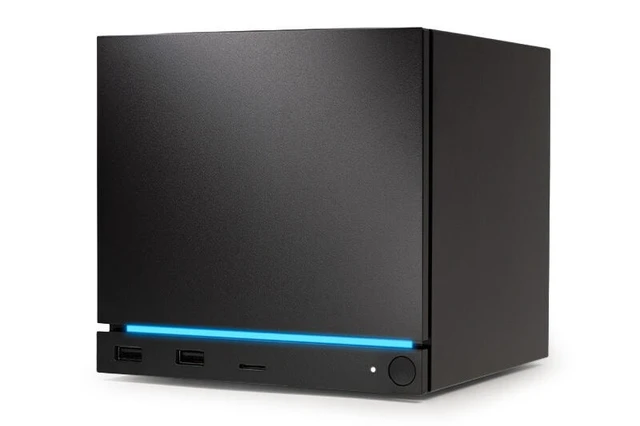
For years, the divide between the curated experience of console gaming and the open architecture of the PC has been a precarious territory for hardware manufacturers. Valve’s ambitious effort to bridge this gap via the Steam Machine was initially greeted with skepticism, largely driven by its aggressive pricing strategy. Yet, early market indicators suggest that the appetite for integrated ecosystems has far exceeded the pessimistic projections of industry critics. A closer analysis of current trends prompts a fundamental reassessment of the viability of the premium compact gaming segment.
The market debut of the Steam Machine in late June served as a critical litmus test for a specific hypothesis: is the mass consumer willing to pay for the convenience of an "out-of-the-box" solution that merges the raw power of a PC with the seamlessness of a console? The primary point of contention was pricing; the device's steep cost initially sparked widespread skepticism regarding its commercial viability. However, actual sales figures reveal a surprising resilience in demand. According to analytical data from Boiling Steam, shipment rates are currently fluctuating between 12,000 and 15,000 units per week.
The methodology behind these figures relies on proxy metrics—specifically, the device's placement within Steam's best-seller charts. Currently, the Steam Machine holds the second position, sandwiched between two industry titans: Counter-Strike 2 and Palworld. Given that CS2 generates approximately $19–20 million in weekly revenue and Palworld brings in between $7 and $9 million, it is highly probable that the Steam Machine's weekly turnover ranges from $10 to $18 million.
This financial framework gains further clarity when analyzing consumer preferences. Approximately 65% of buyers opt for the base configuration priced at $1,049, while the remaining 35% prefer the high-end version at $1,349. This specific distribution validates Boiling Steam's calculations, resulting in an average sales volume of 8,700 to 15,600 units per week.
While Valve traditionally maintains a culture of opacity regarding internal reporting, third-party estimates allow for an optimistic forecast. Should current momentum persist, annual sales could reach the 600,000 to 750,000 unit mark. For a product that faced harsh criticism over its pricing, such figures are impressive, confirming the existence of a loyal core audience ready to invest in Valve's hardware ecosystem.
Nevertheless, these data points should be approached with a degree of caution. The consumer electronics industry is subject to the "Day One effect," where initial hype and early-adopter demand create a mirage of sustained growth. Historically, sales for such devices tend to dip by 20–30% a few weeks after launch as the primary wave of interest subsides. The long-term trajectory of the Steam Machine will ultimately depend on its ability to transcend the narrow circle of enthusiasts and deliver value that justifies its premium status over the long haul.
 Nvidia N1X and the New Era of Arm PCs