The global productivity software market has long been a battleground where the ethos of open access clashes with strategies of corporate hegemony. At the heart of this conflict stand The Document Foundation and Microsoft—two entities with fundamentally divergent philosophies regarding data sovereignty. This is not merely a question of file interoperability; it is about the fundamental right of the user to maintain absolute control over their own information. The friction surrounding proprietary formats exposes a systemic issue of vendor lock-in, creating a technological dependency that stifles the digital autonomy of millions of organizations worldwide.
Document compatibility in today's IT landscape has long ceased to be a merely technical hurdle. The Document Foundation (TDF), the entity behind LibreOffice, has once again raised alarms regarding the hidden mechanisms of control that Microsoft exerts through its proprietary formats. The ubiquity of XLSX, DOCX, and PPTX extensions has created a paradigm where users effectively become hostages to a single ecosystem.
The core of the issue lies in the nature of the OOXML standard. Despite its formal status as a standard, de facto control remains firmly in Microsoft's hands. This allows the company to introduce undocumented changes or expand functionality in ways that exclusively benefit the Office suite. The result is a classic case of document degradation: a file that appears flawless in the original application suffers from lost fonts, skewed alignment, and structural collapse when opened in alternative software like LibreOffice. In this context, technical incompatibility is weaponized as a tool for market pressure.
TDF places particular emphasis on the concept of digital sovereignty. When major corporations and government entities opt for proprietary formats to store their archives, they are essentially surrendering the keys to their institutional memory to a third-party vendor. Dependence on a closed format means that future access to data will be dictated by the pricing policies and strategic whims of a single corporation.
The proposed alternative is a transition to ODF (Open Document Format). Unlike OOXML, this standard is truly open and vendor-neutral. However, the adoption of ODF is less a technical challenge than a matter of administrative resolve. The shift requires a conscious decision by organizational leadership—a willingness to trade immediate convenience for long-term data autonomy and security.
The conflict between TDF and Microsoft extends beyond file formats. The critique even touches upon ergonomics; the "Ribbon" interface, the hallmark of Office, is being scrutinized for its actual efficacy and user experience, contrasted against the philosophy of clean, functional design.
Parallel to this, a battle is unfolding at the legislative level. TDF has expressed serious concerns regarding the European Commission's approach to the new Cyber Resilience Act (CRA). While the primary objective of this regulatory act is to combat "unbridled technological dependency" and incentivize open standards, TDF experts point to a structural bias in the consultation process. They argue that such bias could allow closed systems to maintain their dominance, even within the framework of new European security norms.
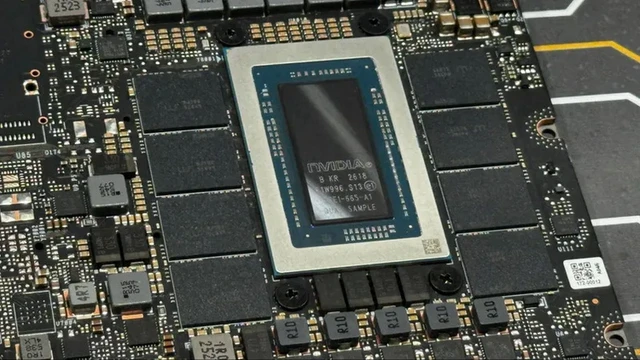 Nvidia N1X and the New Era of Arm PCs