10 Aug 2026
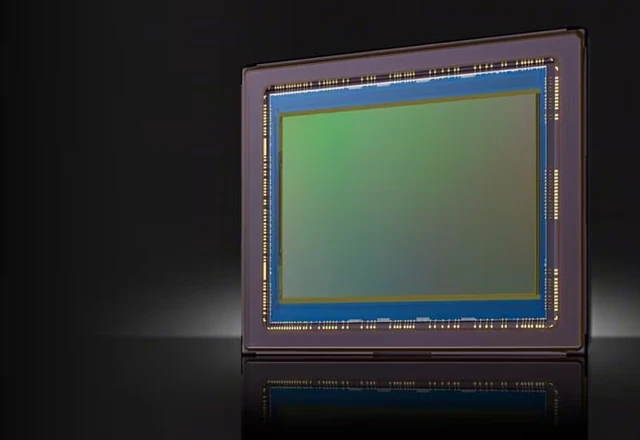 Sony and TSMC: A Strategic Alliance in Image Sensor Manufacturing
The semiconductor industry is witnessing a fundamental paradigm shift, as image sensors evolve from simple light-capture tools into sophisticated sensory organs for artificial intelligence. In the global race for dominance in computer vision and autonomous systems, maintaining technological parity has become an existential imperative. The alliance between Sony and TSMC, cemented by multi-billion dollar investments, is designed to establish a new hardware standard for the era of "physical AI." This partnership fuses unique expertise in sensor development with the unparalleled precision of world-class foundry manufacturing.
10 Aug 2026
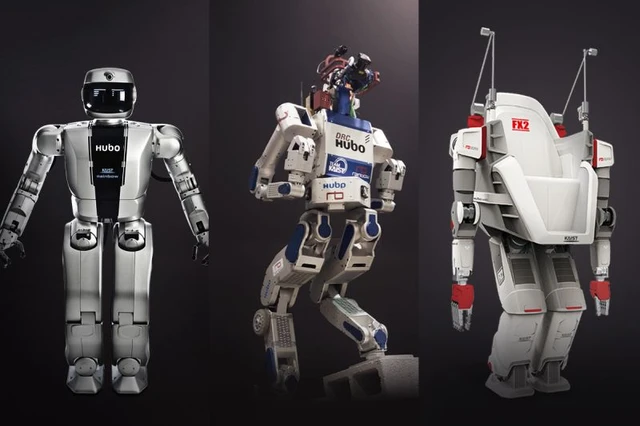 Samsung’s Strategic Push into Humanoid Robotics
The global race to develop general-purpose humanoid robots is evolving from a conceptual pursuit into a full-scale industrial rivalry. While many players remain focused on niche automation tasks, the true tech titans are aiming for something more ambitious: the seamless integration of artificial intelligence and physical embodiment into a unified autonomous system. Samsung, for its part, is leveraging the synergy between its massive manufacturing infrastructure and cutting-edge computational power. This strategic pivot signals the dawn of an era in which the boundary between consumer electronics and robotics is irrevocably blurred.
10 Aug 2026
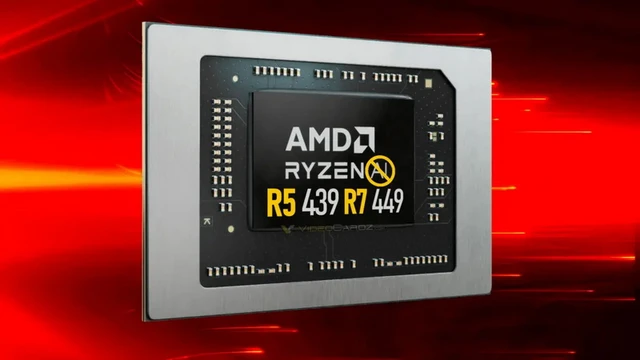 Ryzen Mobile Processors Without NPUs
The semiconductor industry is currently swept up in an AI frenzy, rebranding every new piece of silicon as a cornerstone for the "AI PC." However, real-world market demands often necessitate a more pragmatic approach to hardware resource allocation. AMD is quietly diversifying its mobile processor portfolio, introducing solutions that decouple raw computational throughput from specialized neural processing capabilities. This strategic pivot allows for the optimization of cost and power efficiency without compromising core performance.
10 Aug 2026
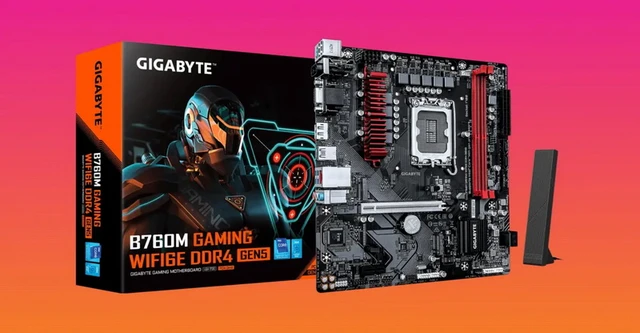 A Pragmatic Upgrade Path for the LGA 1700 Platform
As the industry pivots rapidly toward the DDR5 standard, many users are searching for the ideal equilibrium between component cost and real-world performance. Intel's LGA 1700 platform has emerged as one of the most enduring solutions in recent years, bridging three processor generations within a single socket. The Gigabyte B760M Gaming WIFI6E DDR4 GEN5 arrives as a strategic attempt to breathe new life into the entry-level market—a solution tailored for those who prioritize the reliability of established memory standards while requiring contemporary connectivity and high-speed data transfer interfaces.
10 Aug 2026
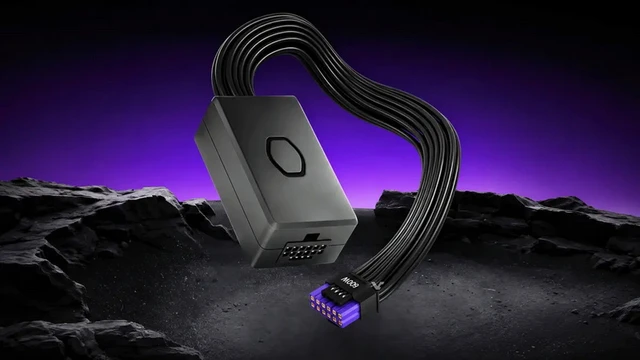 Power Delivery Protection in Modern Graphics Accelerators
The industry's shift toward ultra-high-performance graphics cards has introduced severe power delivery challenges, effectively transforming power connectors into a critical point of failure. The melting of 12VHPWR connectors has emerged as one of the most daunting technical nightmares for flagship GPU owners in recent years. In response to this crisis, the market is beginning to introduce hardware solutions designed to prevent catastrophic equipment failure. The latest offering from Cooler Master represents an attempt to establish a reliable buffer between the power supply unit and the high-cost graphics processor.
9 Aug 2026
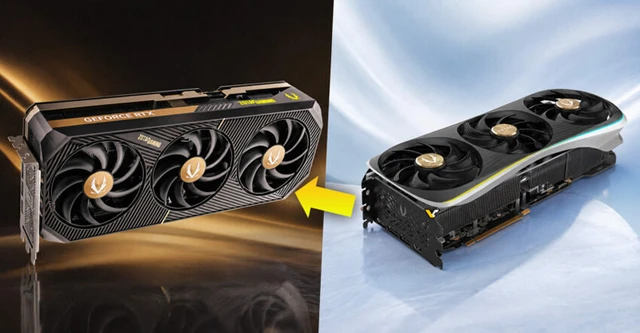 The Case for Upgrading from the RTX 4090 to the 5090
Today's flagship GPU market is often defined by a striking paradox: raw, cutting-edge performance frequently clashes with critical engineering oversights. For a user plagued by systemic instability, the warranty process can quickly devolve into a grueling cycle of replacements and endless waiting. Yet, on rare occasions, corporate goodwill manifests in the most unexpected ways. The experience of one RTX 4090 owner provides a vivid illustration of how a technical failure can inadvertently trigger an unplanned technological leap.
9 Aug 2026
 The Cost of CMOS Sensor Technology Leaks
The global race for semiconductor supremacy has elevated proprietary trade secrets to the status of today's most coveted strategic assets. Amidst the intensifying rivalry between South Korea and China, safeguarding intellectual property has evolved from a corporate necessity into a matter of critical national security. A recent legal precedent set in Seoul underscores the severity with which the judiciary penalizes attempts to leak proprietary data to foreign competitors, serving as a stark reminder of how vulnerable even the most robust corporate infrastructures remain when faced with insider threats.
9 Aug 2026
 A Shift in Global Research Leadership
The global race for technological supremacy has moved beyond theoretical debate, evolving into a contest of massive financial mobilization. For decades, the United States held an unchallenged lead as the world's primary benefactor of scientific advancement; however, current metrics signal a fundamental shift in the balance of power. Through an aggressive growth strategy, China has surged ahead, overtaking its Western rival in total R&D expenditure. This pivot heralds a new era—one where economic capital serves as the primary lever steering the trajectory of human civilization.
9 Aug 2026
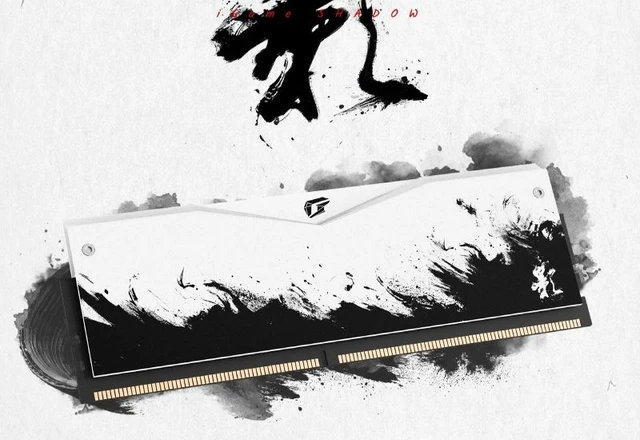 CXMT’s Technological Triumph in Memory
The global semiconductor market is undergoing a profound transformation, one where the long-standing hegemony of a few industry titans is being fundamentally challenged. In this shifting landscape, Chinese manufacturers are transcending their role as mere providers of budget-tier solutions, asserting themselves instead as legitimate technological leaders. Recent benchmarks reveal that CXMT chips are shattering frequency barriers previously thought attainable only by elite overclocking modules—a breakthrough that signals a new era of competition within the DDR5 segment.
9 Aug 2026
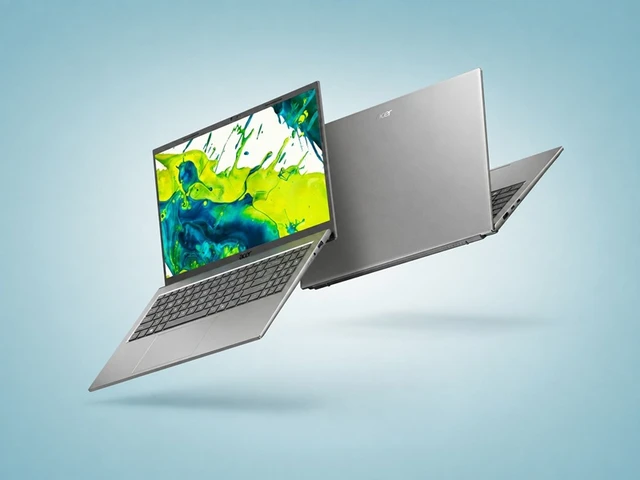 Acer’s Budget Breakthrough Powered by Snapdragon
The global personal computing landscape is undergoing a fundamental pivot toward energy-efficient ARM architectures, challenging the decades-long hegemony of traditional x86 platforms. The introduction of accessible Qualcomm silicon is paving the way for a new generation of mass-market devices that seamlessly integrate extended battery life with integrated AI capabilities. Acer is positioning itself strategically within this shift with the launch of the Aspire Go 15—a device tailored for users who prioritize mobility without the steep price tag of premium branding. In doing so, this laptop becomes a pivotal instrument in democratizing modern computing power for students and general productivity.
9 Aug 2026
 The Hybrid Concept of the Hisense A10 Smartphone
The modern mobile device industry is currently striving to strike a delicate balance between raw functionality and the digital wellbeing of the user. The relentless glare of high-intensity panels, coupled with the inherent power demands of contemporary screens, is pushing manufacturers to explore alternative evolutionary paths. Hisense has proposed a radical solution by fusing the extreme energy efficiency of electronic paper with the versatility of conventional displays. In this context, the A10 smartphone emerges as an audacious experiment in modularity and ergonomics.
8 Aug 2026
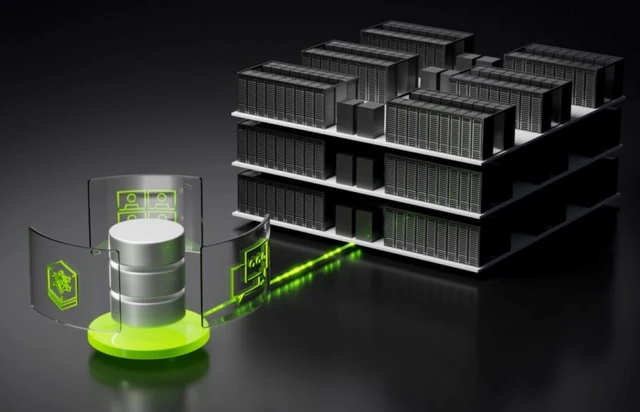 NVIDIA cuFile: An Open Standard for Data Exchange
Modern AI workloads are hitting a critical wall: the data transfer bottleneck between storage systems and GPUs. The legacy architecture, which relies on the CPU as a mediator, has become prohibitively slow when handling terabyte-scale datasets. Nvidia’s decision to open-source the cuFile API signals a strategic shift toward establishing a universal industry standard for high-performance storage. This initiative is designed to fundamentally streamline the data pipeline by slashing latency and eliminating redundant memory copies.
