The modern mobile device industry is currently striving to strike a delicate balance between raw functionality and the digital wellbeing of the user. The relentless glare of high-intensity panels, coupled with the inherent power demands of contemporary screens, is pushing manufacturers to explore alternative evolutionary paths. Hisense has proposed a radical solution by fusing the extreme energy efficiency of electronic paper with the versatility of conventional displays. In this context, the A10 smartphone emerges as an audacious experiment in modularity and ergonomics.
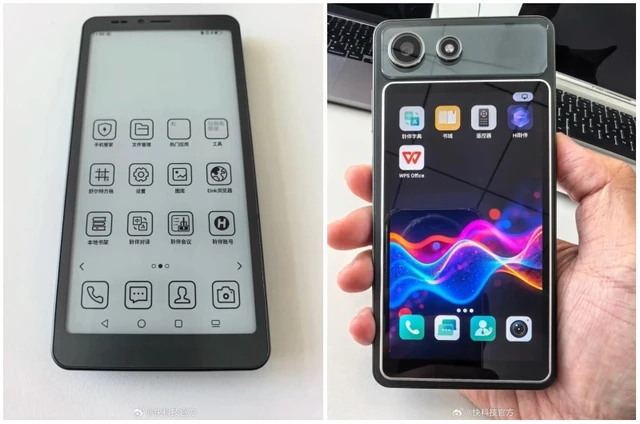
The ambition to merge a full-fledged smartphone with an e-reader has long been a siren song for tech giants. However, the Hisense A10 elevates this concept, moving beyond simply offering two screen types toward a modular ecosystem for content interaction. At its core lies an energy-efficient monochrome E Ink display designed for comfortable reading and minimal power draw, effectively transforming the smartphone into a tool for deep focus and text-centric productivity.
Under the hood, the A10 is powered by the Qualcomm QCM6690 microprocessor, also known by the codename Dragonwing Q-6690. This chipset is specifically optimized for scenarios where energy efficiency takes precedence over peak performance. In terms of raw computing power, it is comparable to solutions like the Unisoc T9100 and has already proven its efficacy in specialized devices such as the Boox Note X6 e-readers. This choice of hardware underscores the device's orientation toward the "slow consumption" of information—a segment where battery longevity is valued far more than high frame rates in demanding applications.
The technical implementation of the primary display warrants particular attention. To manage panel refresh parameters and optimize scan rates, Hisense utilizes a dedicated T2000 TCON controller. This is a critical component; the quality of the TCON directly dictates how fluid the interface feels on electronic paper and how effectively image artifacts are handled during refreshes.
The true innovation, however, is the detachable 6.13-inch liquid crystal display (LCD). Attached to the chassis via a magnetic system, it allows users to pivot instantaneously between a "digital detox" mode and a full multimedia experience. Based on available data, this external panel boasts high brightness and precise color reproduction, making it indispensable for graphic work or video consumption.
The ergonomics of transitioning between these two worlds—the static E Ink and the dynamic LCD—have been meticulously engineered across several layers. Users have three primary methods of control: a dedicated physical "Ink Smart Key" for immediate switching, a toggle within the system settings, or quick access via the notification shade.
From a commercial standpoint, Hisense is opting for a strategy of flexibility. The detachable color screen is not included in the base package and will be sold as a separate accessory. This approach lowers the barrier to entry for those who only require the capabilities of electronic paper, while providing an upgrade path for power users. Given the use of an entry-level chipset, the device is expected to occupy an affordable price segment, offering a unique user experience without a premium cost. The official debut is scheduled for August 28 in China.
 The Price of Acceleration: CXMT’s Rapid Push into Memory