Today's flagship GPU market is often defined by a striking paradox: raw, cutting-edge performance frequently clashes with critical engineering oversights. For a user plagued by systemic instability, the warranty process can quickly devolve into a grueling cycle of replacements and endless waiting. Yet, on rare occasions, corporate goodwill manifests in the most unexpected ways. The experience of one RTX 4090 owner provides a vivid illustration of how a technical failure can inadvertently trigger an unplanned technological leap.
The user's journey toward a hardware upgrade was anything but seamless. Over the course of a year, the owner of a flagship GeForce RTX 4090 endured a relentless cascade of technical failures: from the classic "Blue Screens of Death" and sudden system freezes to graphical artifacts and PCIe interface errors. Such symptoms typically point to deep-seated VRAM issues or defects in the power delivery circuitry, turning the use of a high-performance device into a constant struggle for stability.
Throughout a year of operation, the user filed four separate warranty claims in an attempt to secure a functional unit. Each successive RMA (Return Merchandise Authorization) cycle only served to underscore the severity of the situation. The final attempt to return the card occurred just one month before the expiration of the three-year warranty period, effectively marking the end of this model's tenure.
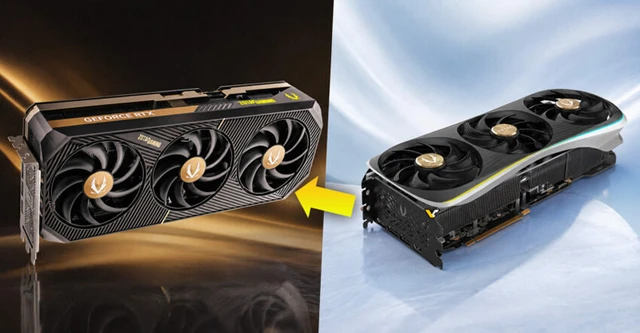
The resolution finally arrived after a prolonged wait and direct engagement with ZOTAC’s US division. Rather than attempting another replacement with an identical RTX 4090, company management decided to upgrade the device to the next-generation model—the GeForce RTX 5090 Solid. Although manufacturer policy permits the use of refurbished units for warranty replacements, in this instance, the user received a brand-new product.
This gesture from the vendor was not a random act of generosity, but rather a consequence of internal logistics and inventory management policies. ZOTAC USA's protocols explicitly state that if the original model is out of stock, the company reserves the right to replace it with a device of equivalent or superior performance. Consequently, a shortage of specific RTX 4090 revisions, coupled with repeated customer grievances, pushed the company toward an upgrade.
However, this technological leap came with a legal caveat. The user discovered that the new graphics card did not come with a fresh three-year warranty. According to RMA regulations, the warranty period for a replacement device does not reset; it continues under the terms of the original agreement. As a result, while the owner acquired the most powerful accelerator available today, it came with an extremely limited window of protection—a mere 30 days of coverage.
This case underscores a recurring trend: ZOTAC is willing to upgrade a user's hardware tier if they cannot promptly resolve a client's issues within the current product line. Nevertheless, it is important to understand that such an upgrade is not an automatic entitlement for every consumer. In this particular precedent, the deciding factors were the combination of four failed repair attempts and a lack of suitable components in stock, which ultimately transformed a warranty nightmare into an unexpected windfall.
 The Price of Acceleration: CXMT’s Rapid Push into Memory