7 Jul 2026
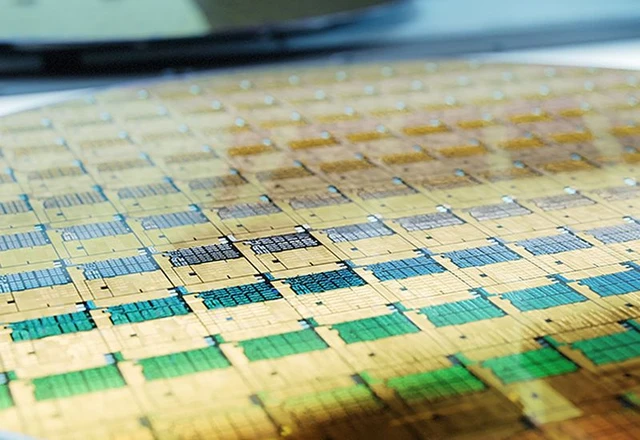 The Evolution of Storage Density in BiCS10 Memory
The race for storage density has reached a fever pitch, propelled by the meteoric rise of artificial intelligence. To bypass the inherent physical constraints of silicon, the industry is pivoting toward aggressive vertical scaling. Leveraging its long-standing strategic alliance with Kioxia, SanDisk is unveiling the next generation of NAND flash memory. The BiCS10 architecture represents a quantum leap in both power efficiency and throughput—a strategic move that underscores the company's ambition to solidify its foothold in the high-margin enterprise server market.
7 Jul 2026
 Samsung Seizes the Lead in ASIC Manufacturing
The global AI race is shifting from the realm of algorithms to the physical layer of hardware. As tech titans strive to decouple themselves from a systemic reliance on a single chip supplier, the very landscape of the semiconductor industry is being reshaped. Samsung Electronics is doubling down on the contract manufacturing of specialized integrated circuits, offering the market an unprecedented degree of vertical integration. Strategic alliances with Meta and Anthropic are positioning the Korean giant as the critical bedrock for the next generation of computational power.
7 Jul 2026
 AI Accelerates the Discovery of Novel Superconductors
For decades, the quest for materials exhibiting zero electrical resistance has remained one of the most grueling challenges in modern physics. The absence of a unified theoretical framework forced researchers to rely on trial-and-error methodologies—a bottleneck that catastrophically hindered progress. However, the emergence of specialized AI agents is poised to transform this haphazard search into a precise, computational pipeline. Alibaba’s Elements Claw system exemplifies how the synergy between Large Language Models (LLMs) and atomic-scale simulations enables the discovery of new superconductors at an industrial scale.
7 Jul 2026
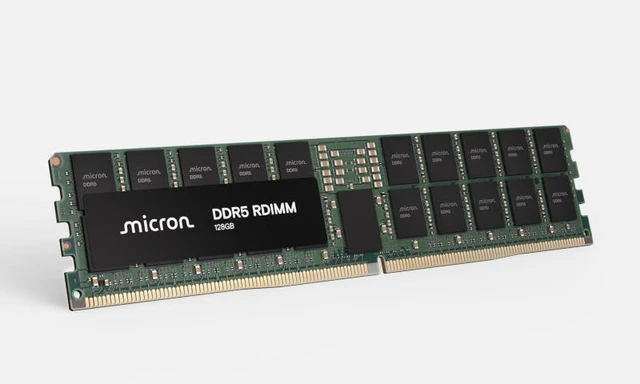 Memory Under the Strain of Artificial Intelligence
The current AI revolution is being constrained not only by the sophistication of its algorithms but by the hard physical limits of the underlying hardware. A severe shortage of memory chips has created a critical bottleneck spanning every sector, from hyperscale data centers to consumer electronics. In an effort to stabilize the market, governments are increasingly leaning toward administrative intervention—a move that industry leaders warn carries catastrophic risks. This friction between political regulation and market dynamics is becoming the defining force shaping the trajectory of the semiconductor industry.
7 Jul 2026
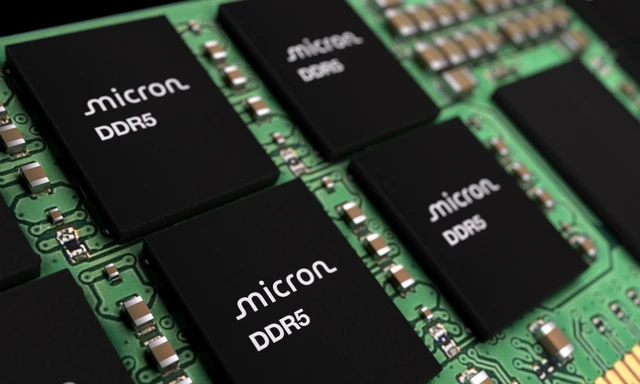 Micron's New Memory Center in Hiroshima
The global AI arms race has precipitated an unprecedented shortage of high-performance memory. In response to this crisis, Micron is embarking on a massive expansion, transforming Hiroshima into a pivotal hub within its global manufacturing ecosystem. This strategic move underscores a profound transformation in global supply chains and the urgent drive among leading powers to secure technological sovereignty. The new facility is poised to become the bedrock for the next generation of computing—an era where data throughput is the ultimate arbiter of industry success.
7 Jul 2026
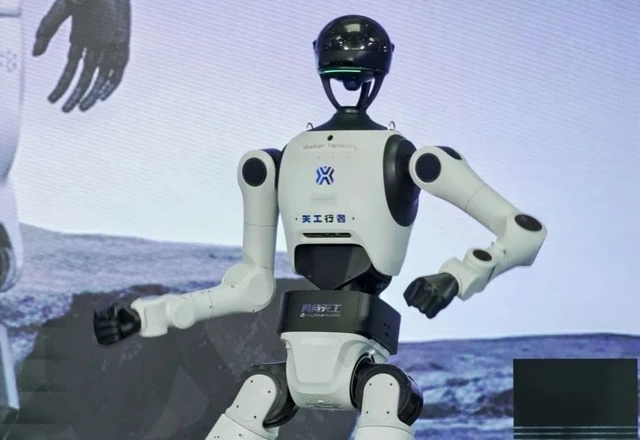 The Safe Integration of Robotics into Human Environments
The vision of humanoid assistants integrated into our daily lives is rapidly evolving from the realm of science fiction into a tangible market reality. Yet, beneath the polished veneer of tech giants' keynotes lies a fundamental friction: the clash between the rigid, deterministic logic of machines and the chaotic unpredictability of human behavior. Given the sheer physical mass and mechanical complexity of modern robotics, even a minor software glitch can escalate into a significant safety hazard for those in the vicinity. For this coexistence to become a seamless norm, the industry must fundamentally reimagine the core principles of human-machine interaction.
7 Jul 2026
 Foxconn’s Strategic Expansion into the AI Infrastructure Market
The global AI boom has decisively shifted from the realm of software to the domain of physical infrastructure. Today, the primary rewards are flowing to those constructing the tangible foundation required for cloud computing and the training of neural networks. Taiwanese titan Foxconn, the world's largest electronics contract manufacturer, has emerged as one of the foremost beneficiaries of this tectonic shift. The company's latest financial disclosures reveal a surge in revenue, underscoring the corporation's evolved strategic role in the age of AI.
7 Jul 2026
 The Triumph of Memory in the Age of Generative AI
The global semiconductor market is undergoing a tectonic shift, as artificial intelligence evolves from a mere trend into the primary catalyst for hardware demand. Samsung Electronics has emerged at the epicenter of this transformation, reporting phenomenal financial growth. The company's current profit trajectory reflects a fundamental realignment of priorities within the computing industry: memory is rapidly becoming the most critical asset in the race to develop autonomous AI agent systems.
7 Jul 2026
 AMD is Reshaping the Landscape of Japanese Autonomous Driving
For years, Nvidia has maintained an uncontested stranglehold on the AI accelerator market for autonomous transport. Yet, the pursuit of technological sovereignty and the imperative for cost optimization are compelling ambitious industry players to explore alternatives. In a calculated strategic move, the Japanese startup Turing is integrating AMD solutions into its AI training infrastructure—an alliance that signals the dawn of a new chapter in the high-stakes race for supremacy within the autonomous driving sector.
7 Jul 2026
 AI Taxation: The Capital of the Future
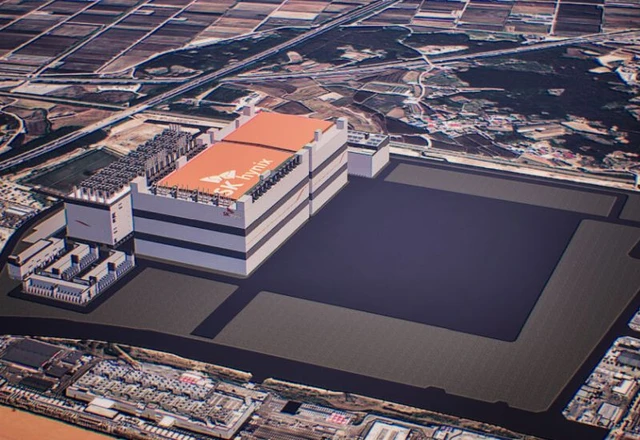
The global surge in artificial intelligence has ignited an unprecedented demand for high-performance memory, positioning the technology sector as the primary catalyst of the global economy. South Korea, which commands the lion's share of this market, now finds itself at the epicenter of a massive financial windfall. Rather than succumbing to short-term consumption, Seoul is opting for a strategy of redistributing these windfall tax revenues. The state aims to leverage the success of its corporate titans to secure long-term social stability and fortify the nation's technological sovereignty.
7 Jul 2026
 Scalability Testing for Nvidia Kyber Systems
The race for computational supremacy in the era of generative AI has evolved into a battle against the very limits of engineering. Even for a titan like Nvidia, the physical constraints of manufacturing are becoming a critical bottleneck on the road to hyper-scaling. The delayed rollout of the Kyber server systems exposes the inherent vulnerabilities in current methodologies for integrating high-performance accelerators. This setback does more than simply shift delivery schedules; it opens a strategic window of opportunity for the industry's chief competitors.
7 Jul 2026
 The Silicon Pact: Apple and Broadcom’s Strategic Alliance Through 2031
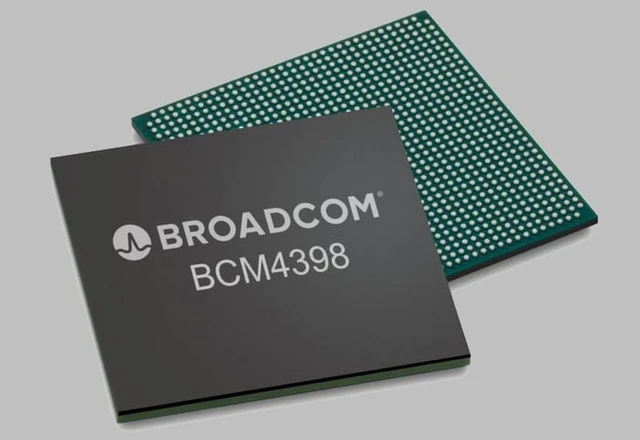
The global AI arms race has shifted the industry's center of gravity from software to hardware. Today, proprietary specialized silicon has emerged as the primary competitive moat for tech giants. Against this backdrop, Apple and Broadcom have solidified their strategic alliance, extending their custom chip supply agreement through 2031. This move signals a pivot from basic wireless interfaces toward the development of sophisticated computing infrastructure tailored for neural networks.
