The era of simplistic keyword matching in search queries is rapidly fading, giving way to a nuanced, semantic understanding of user intent. Today’s users expect more than just a curated list of links; they demand definitive answers to complex questions. In this landscape, the launch of "Ask YouTube" represents a critical milestone in the platform's evolution from a video hosting giant into a comprehensive knowledge ecosystem. The integration of generative AI is fundamentally shifting the paradigm of content interaction, evolving search from a mechanical process into an intelligent, meaningful dialogue.
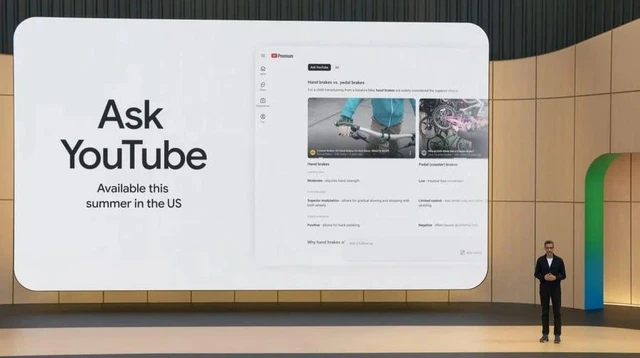
Traditional video search has long been plagued by a fundamental disconnect: the user poses a query, and while the algorithm suggests relevant videos, the burden of extracting the actual answer remains with the viewer. The new "Ask YouTube" feature is designed to bridge this gap. The search bar is evolving into a full-fledged chatbot interface capable of processing natural language queries and synthesizing information from multiple sources across the platform.
In place of the familiar grid of thumbnails, users are now presented with structured responses. Rather than simply pointing toward suitable videos, the system generates a textual summary augmented by the most pertinent clips, Shorts, and full-length videos. This shift transforms YouTube from a mere file library into an intelligent assistant. This is particularly evident in complex scenarios—such as comparing specifications across several products or navigating a multi-step tutorial—where context carries more weight than simple tag matching. Meanwhile, traditional search remains available, allowing users to switch seamlessly between different modes of information consumption.
Technologically, Ask YouTube leverages generative AI to analyze transcripts and metadata to distill the core essence of content. This aligns the service with the principles of Retrieval-Augmented Generation (RAG), where the model does not simply generate text from a vacuum but anchors its responses in specific, verified sources, thereby mitigating the risk of AI hallucinations.
A primary challenge in integrating AI into search is the "zero-click" phenomenon—where users find their answer directly within the search results and never click through to the content itself. For creators, this typically translates to a loss of traffic and revenue. YouTube addresses this through deep integration: views of videos, Shorts, and even previews displayed within AI-generated responses are fully tracked in analytics and counted toward the partner program. In doing so, the platform is creating an ecosystem where technological progress does not conflict with the economic interests of content creators.
The rollout is currently being handled with caution and precision. Following initial testing among Premium subscribers over 18, access has been extended to authenticated users in the US aged 13 and older via the web interface. While the full geographic and linguistic scope remains undefined, it is clear that Ask YouTube will serve as the foundation for a global overhaul of video content navigation in the near future.
 The Strategic Alliance of Nvidia and MediaTek