Visual search is experiencing a paradigm shift, evolving from a mechanism of mere data retrieval into a process of active discovery. For a quarter-century, Google Images served primarily as a utility for locating specific files; today, it is transforming into a comprehensive engine for inspiration. The convergence of personalized curation and generative AI is fundamentally altering the dynamics of how users interact with visual content. This evolution underscores a strategic pivot toward an ecosystem where content proactively discovers the user.
The evolution of digital search is inexorably blurring the boundaries between a utilitarian tool and a platform for inspiration. Marking its 25th anniversary, Google Images is undergoing a sweeping redesign that fundamentally reimagines the philosophy of visual content interaction. In place of the familiar empty search bar, users are introduced to an "infinite stream" concept—reminiscent of Pinterest—where searching becomes secondary to exploration.

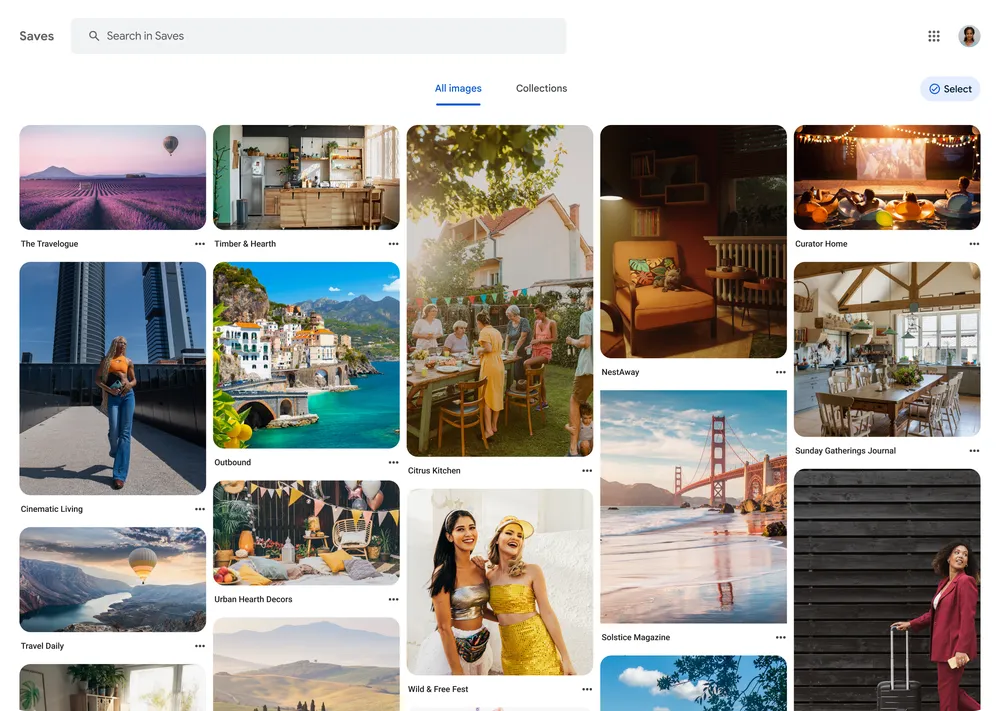
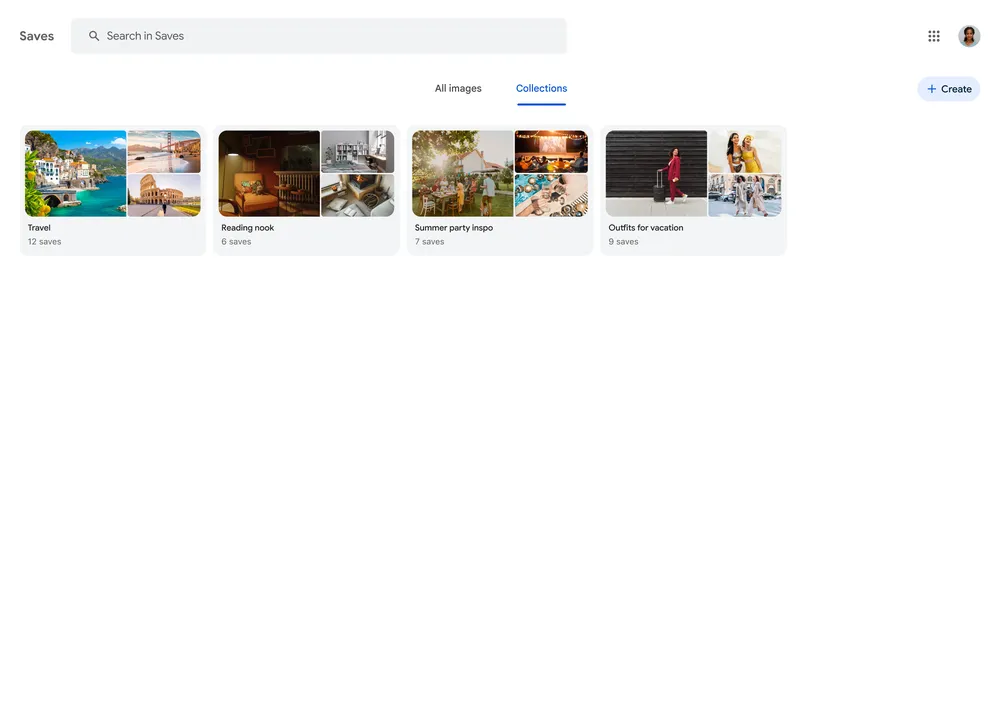
At the heart of this update lies the personalized "For You" gallery. The service is evolving from a passive responder into an active curator, leveraging browsing history and user interests to suggest content proactively. This dynamic feed updates in real-time, crafting a bespoke visual context for every visitor. To organize this influx of information, Google has introduced thematic collections, allowing users to save imagery into dedicated tabs—effectively transforming search into a process of digital curation. Meanwhile, traditional keyword-based precision remains intact, maintaining a critical equilibrium between serendipitous discovery and targeted retrieval.
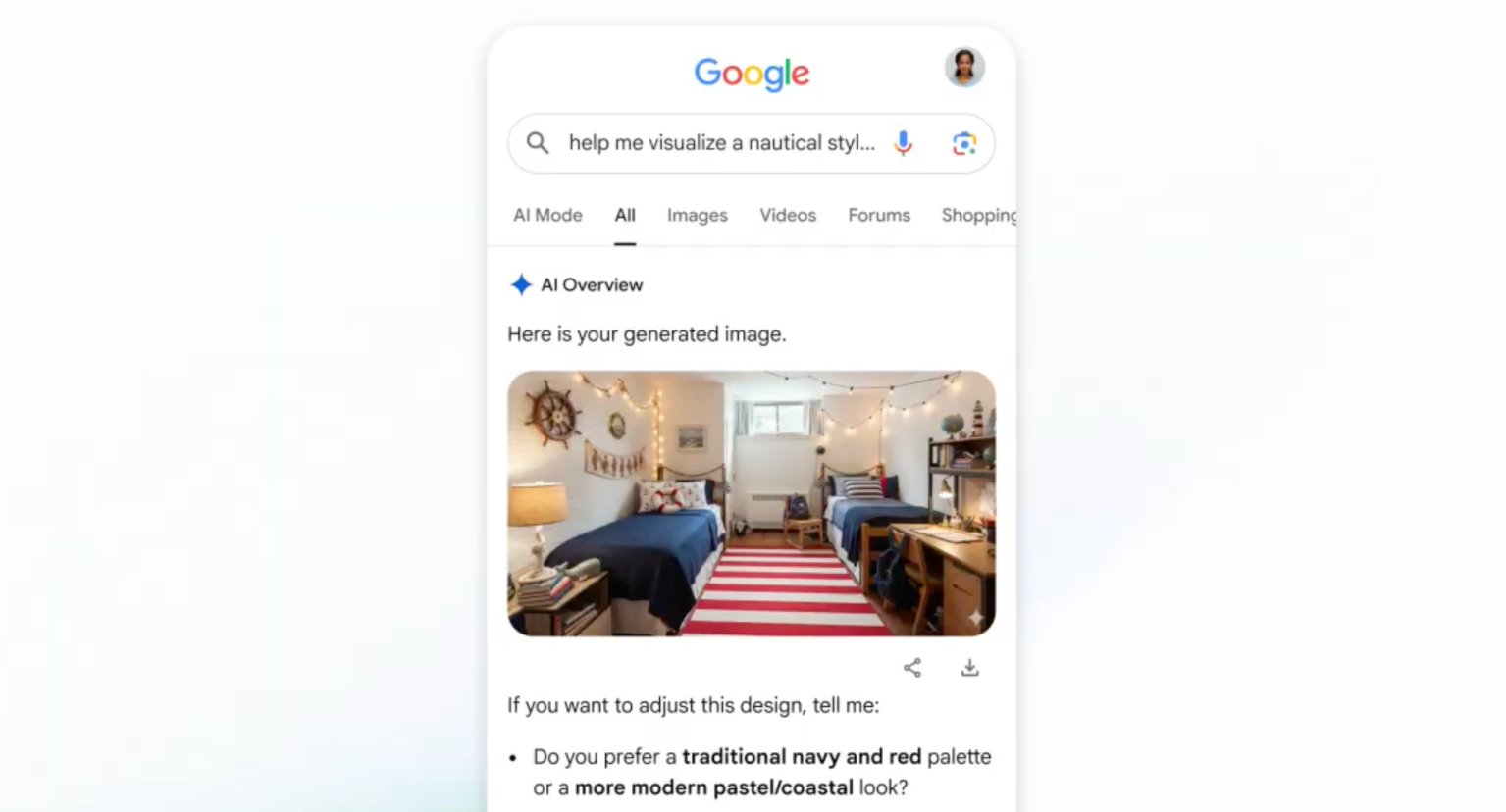
However, the most profound shifts occur within the integration of generative artificial intelligence. Through the "AI Overviews" feature, Google has deployed the Nano Banana model, enabling the generation of images directly within search results. This addresses a fundamental limitation of visual search: the scenario where the desired image simply does not exist in reality or within web indices.
This technology shifts the paradigm of search from "finding what exists" to "visualizing what is possible." For instance, a user can now instantaneously model a room's interior with specific wall colors or architectural styles without relying on the chance discovery of a matching database entry. In doing so, Google is transforming a search tool into an instrument for design and visual prototyping.
The rollout of these features will be phased. In the coming weeks, the redesign will debut for English-speaking users in the United States—a standard industry practice for UX testing prior to global deployment. AI generation capabilities will similarly launch in English before expanding to other regions. This transition underscores a broader industry trend: search is ceasing to be a mere library catalog and is becoming an intelligent partner in the creative process.

 The Strategic Alliance of Nvidia and MediaTek