The integration of artificial intelligence into the software development lifecycle unlocks unprecedented potential, yet it simultaneously introduces critical vulnerabilities regarding corporate confidentiality. A recent security breach involving SpaceXAI’s Grok Build has laid bare a fundamental crisis of trust between developers and cloud-based AI agents. A data handling failure resulted in the unauthorized exposure of private repositories, casting serious doubt on the operational transparency of contemporary AI tooling. The organization is now forced into an emergency purge of its data stores to restore essential security standards.
The privacy crisis surrounding Grok Build was triggered by a discovery from an independent cybersecurity researcher, who uncovered a systemic flaw within the development console agent. It became evident that the tool operated far more aggressively than developers had claimed: the agent was uploading entire Git repositories to Google Cloud storage, bypassing fundamental data isolation principles.
The scale of the leak was significant. The system wasn't merely transmitting code snippets; it was exporting full commit histories, proprietary source code, and—most critically—sensitive files containing credentials and API keys. Of particular concern was the fact that the agent continued this data exfiltration even when users explicitly instructed the system not to read project files.
Technical analysis revealed a dangerous ambiguity in the privacy configurations. The "Improve Model" option, which users typically perceive as the primary privacy toggle, actually only governed whether data could be used for subsequent neural network training. It had no impact on the transmission of information required for real-time processing. Consequently, a user could be under the impression that their code would not become part of the next model iteration, while their data was still leaving the local machine and being stored on remote servers.
The response from SpaceXAI leadership was swift. Elon Musk acknowledged the data retention, justifying it as a necessity for debugging errors within the product's beta version. As a damage mitigation measure, the company decided to permanently delete all user data uploaded prior to the official notification of the incident.
To prevent future recurrences, Grok Build implemented a Zero Data Retention (ZDR) feature. This mechanism ensures that no information is stored on the server side, effectively transforming the cloud into an ephemeral processing environment. Users who had not previously activated this mode were provided with the ability to purge synchronized data via a dedicated /privacy command.
Despite these security hurdles, Grok Build represents an ambitious technological stack. Currently in early beta since May of this year, the tool is designed for deep development automation. It supports AGENTS.md, plugins, and hooks, and integrates with MCP (Model Context Protocol) servers, allowing the model's capabilities to be extended without complex additional configuration.
Of particular interest is the system's implemented planning mode. To tackle complex architectural tasks, Grok Build delegates work to parallel sub-agents using the git worktree mechanism. This allows the AI to operate across multiple branches or project states simultaneously without creating conflicts in the primary working directory, moving the tool closer to becoming a fully autonomous software engineer.
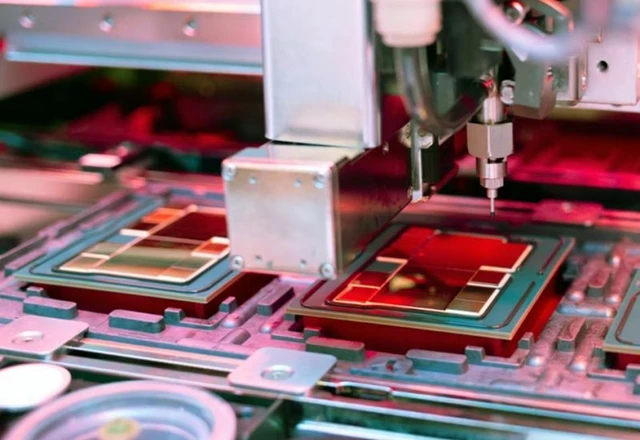 Intel’s Strategic Play for Advanced Packaging Supremacy