7 Jul 2026
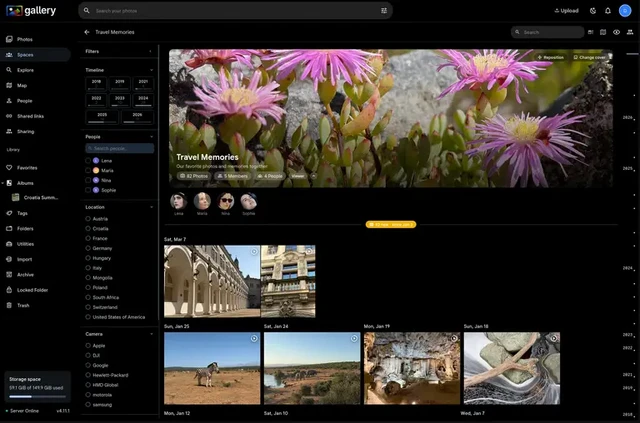 Noodle Gallery Enhances Immich's Capabilities
In an era of pervasive data surveillance, self-hosted solutions have emerged as the sole bastion for preserving the privacy of our digital memories. While Immich set a gold standard for personal galleries, the demand for sophisticated shared access remained largely unmet for far too long. Enter Noodle Gallery: an ambitious fork designed to transform the solitary archive into a comprehensive ecosystem for collaborative use. The project reimagines the very concept of shared access by integrating cutting-edge AI and intelligent search capabilities.
7 Jul 2026
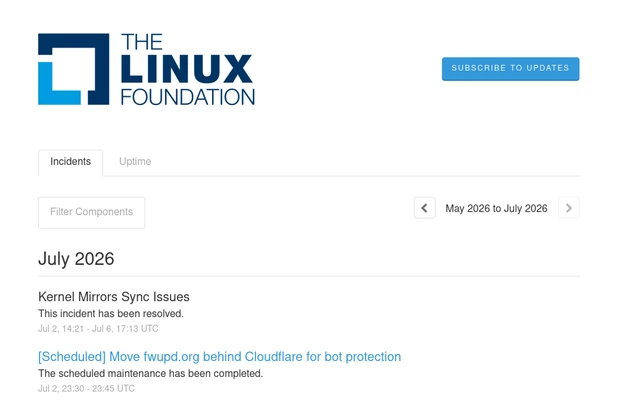 Linux Kernel Code Mirroring Failure
The Linux kernel serves as the bedrock for the vast majority of modern servers and embedded systems worldwide. When access to its official archives is severed, it triggers a domino effect that reverberates across the entire open-source ecosystem. A recent technical failure within the Linux Foundation's infrastructure has exposed the fragility of even the most resilient distribution nodes. The ensuing four-day data recovery effort served as a stark reminder of how a single configuration error can paralyze global update and testing pipelines.
6 Jul 2026
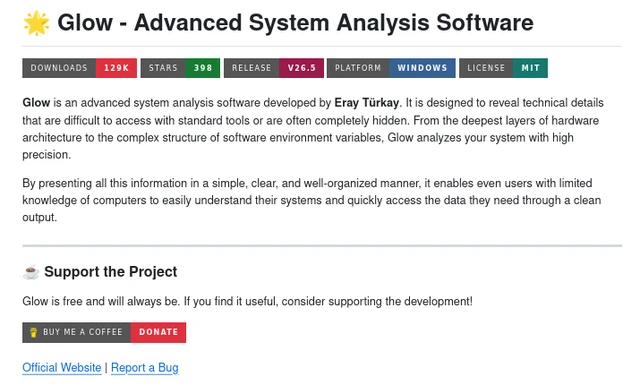 Glow Diagnostic Toolkit v26.11
As modern operating systems grow increasingly complex, deep-dive system analysis has become indispensable for maintaining peak PC stability and performance. In an era of rapid Windows updates, transparency regarding the interplay between hardware and software is now a primary objective for both IT professionals and power users. Open diagnostic tools are key to achieving this level of granularity, enabling independent verification of overall system health. The latest release of Glow represents a paradigm shift in system monitoring, delivering uncompromising precision and reliability.
6 Jul 2026
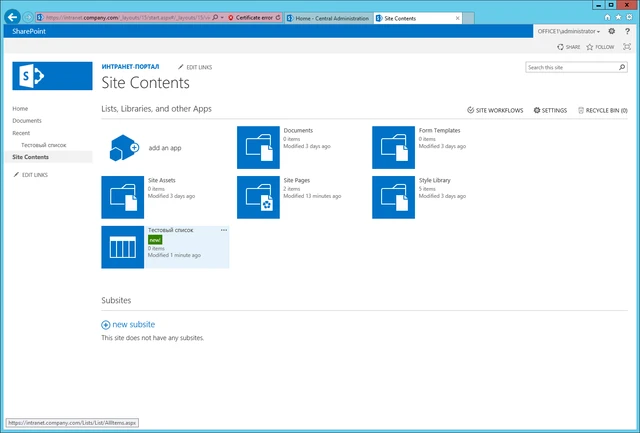 The Evolution of Automation Tools in SharePoint
Microsoft is fundamentally recalibrating its ecosystem strategy, pivoting toward deep AI integration and agile workflows. This transition necessitates an inevitable departure from the legacy constraints of previous decades in favor of modern low-code platforms. The widespread deprecation of several SharePoint services has triggered an urgent mandate for infrastructure modernization across the corporate sector. At stake is not merely a technical refresh, but a fundamental paradigm shift in data management and automation.
6 Jul 2026
 Alibaba Bans Claude Code Across Its Ecosystem
The global artificial intelligence arms race is entering a phase of stark fragmentation, characterized by the rigid demarcation of digital territories and development ecosystems. The friction between Anthropic and Alibaba serves as a poignant case study in how data security is being weaponized as a lever for geopolitical leverage. The prohibition of Claude Code within the Chinese tech behemoth underscores a broader corporate drive toward total sovereignty over the development stack. At the heart of this clash lies more than just technical constraints; it is a fundamental battle over intellectual property in the age of Large Language Models.
6 Jul 2026
 Intelligent Vulnerability Discovery in the FreeBSD Kernel
The convergence of Large Language Models (LLMs) and cybersecurity is rapidly transitioning from theoretical discourse into a phase of practical application. Recent experiments demonstrate that modern AI agents are capable of uncovering critical vulnerabilities even within deeply hardened system kernels. The FreeBSD analysis case study reveals that effective exploit discovery no longer hinges on massive token budgets, but rather on the sophisticated orchestration of tools. This milestone marks the dawn of a new era in automated vulnerability research.
6 Jul 2026
 The Narrow Specialization Trap of Anthropic’s Models
While the evolution of Large Language Models typically trends toward general versatility, recent developments highlight a troubling pattern: the emergence of "digital habits" that undermine overall precision. The regression observed in the latest iterations of the Claude family demonstrates how aggressive optimization for specific internal tooling can compromise a model's capacity to adhere to neutral API contracts. This phenomenon exposes a systemic flaw in contemporary post-training methodologies—the pursuit of efficiency within proprietary ecosystems often comes at the cost of performance in open environments. Consequently, third-party agent developers are grappling with a paradox where ostensibly "advanced" models struggle with fundamental tasks that their predecessors handled with ease.
6 Jul 2026
 New Frontiers in ReactOS Compatibility
Developing a completely open-source alternative to Windows remains one of the most ambitious and technically daunting undertakings in the history of systems programming. For decades, the ReactOS project has pursued total binary compatibility with Microsoft’s proprietary codebase, navigating the formidable obstacles posed by closed-source specifications. Recent milestones achieved by the development team signal a quantum leap, not only in graphical performance but also in the sophisticated implementation of low-level kernel mechanisms. This transition toward supporting more contemporary iterations of the NT architecture paves the way for executing modern software atop an entirely open-source stack.
6 Jul 2026
 Chrome 150: A Strategic Pivot Toward Enhanced Security
The modern browser has transcended its role as a mere window to the web, evolving into a sophisticated operating environment governed by its own intricate security protocols. The rollout of Google Chrome 150 underscores a strategic pivot toward comprehensive extension governance and the integration of post-quantum cryptographic standards. Far more than a routine patch for hundreds of vulnerabilities, this update establishes the architectural foundation for a new paradigm in web interaction. At the forefront of this transition are an intensified crackdown on ad blockers and a systemic shift toward accelerated development cycles.
5 Jul 2026
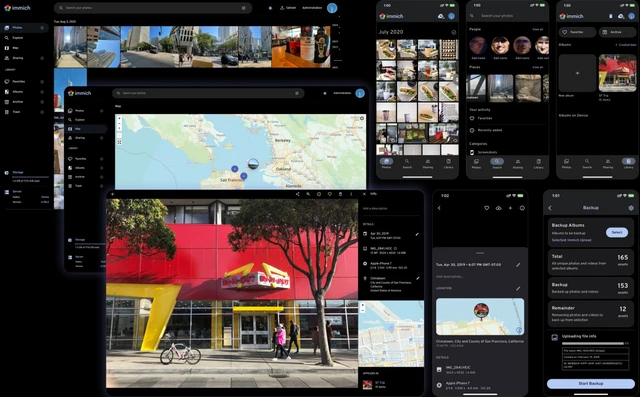 Digital Independence with the Immich 3.0 Update
In an era of ubiquitous reliance on cloud giants, data ownership has evolved into a fundamental question of digital sovereignty. While centralized services offer seamless convenience, they often do so at the expense of privacy and absolute control over personal archives. Immich seeks to resolve this tension, positioning itself as a robust, self-hosted alternative to corporate storage ecosystems. The launch of version 3.0 marks a pivotal shift for the platform, moving beyond its initial rapid development phase toward deep technical optimization and a refined user experience.
5 Jul 2026
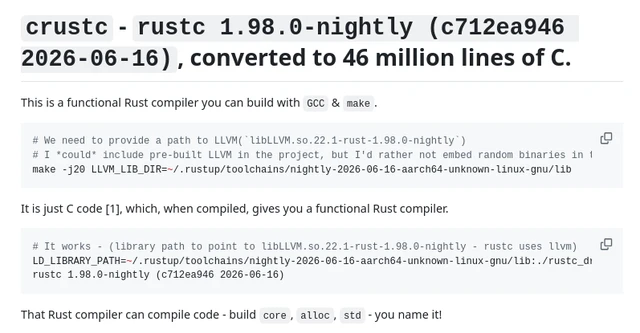 Transpiling Rust into the Universal C Standard
Modern software development tooling relies on powerful yet monolithic infrastructures such as LLVM and GCC. However, the persistence of niche architectures and legacy systems creates a significant barrier to the adoption of modern, strongly-typed languages like Rust. The crustc project proposes a radical solution: the deep transpilation of compiler code into C. This experiment demonstrates that hardware constraints can be effectively bypassed by pivoting back to the universal bedrock of the ANSI C standard.
5 Jul 2026
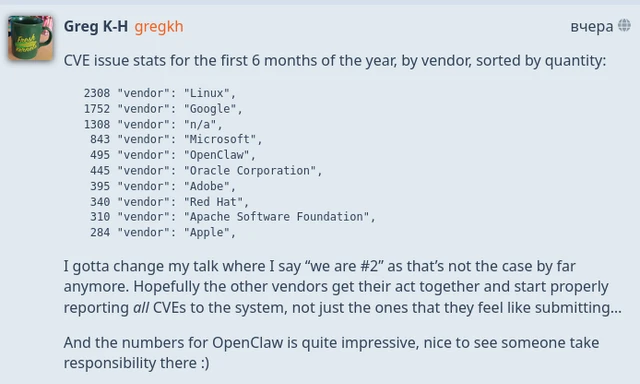 Linux Kernel Security Transparency
Modern software security has long since evolved beyond the mere absence of bugs; it has become the art of managing them. While the industry typically gauges system reliability by the volume of assigned CVEs, such metrics are frequently misleading. Recent data regarding the Linux kernel reveals a compelling paradox: a high count of reported vulnerabilities can actually be an indicator of superior quality control. This commitment to radical transparency has become the primary mechanism for securing open-source code.
