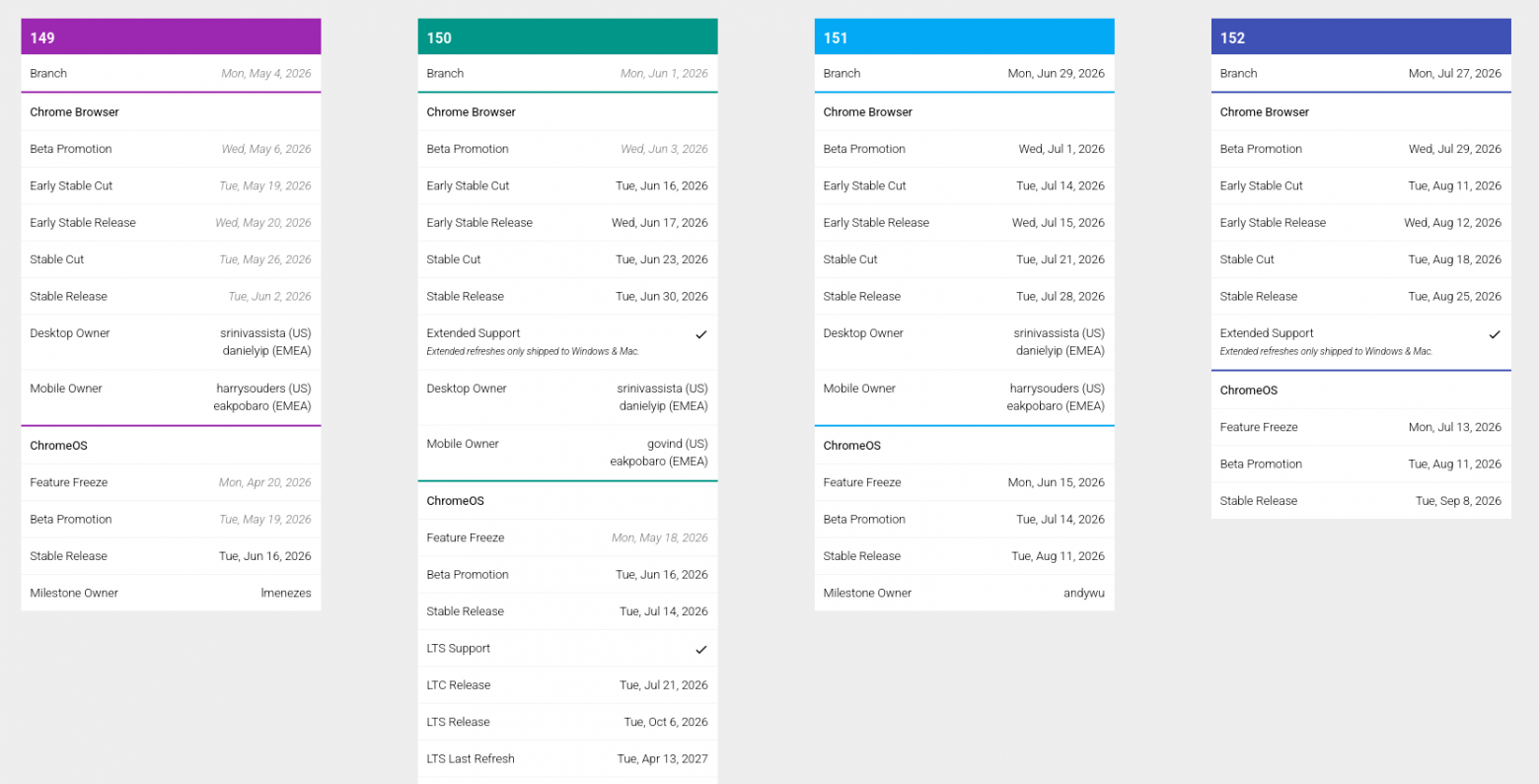
The modern browser has transcended its role as a mere window to the web, evolving into a sophisticated operating environment governed by its own intricate security protocols. The rollout of Google Chrome 150 underscores a strategic pivot toward comprehensive extension governance and the integration of post-quantum cryptographic standards. Far more than a routine patch for hundreds of vulnerabilities, this update establishes the architectural foundation for a new paradigm in web interaction. At the forefront of this transition are an intensified crackdown on ad blockers and a systemic shift toward accelerated development cycles.
The release of Chrome 150 arrives as a comprehensive response to the evolving cybersecurity landscape: developers have patched 433 vulnerabilities, with over forty classified as high or critical. However, beneath these technical refinements lies a deeper transformation of the ecosystem. One of the most contentious changes is the final deprecation of the kExtensionManifestV2Disabled flag. This effectively closes the loophole for installing legacy Manifest V2 extensions—the very standard that allowed advanced ad-blockers like uBlock Origin to operate at full capacity. Google is systematically migrating the web industry toward Manifest V3, granting the browser greater oversight over how third-party extensions filter content.
Parallel to this shift is a comprehensive overhaul of synchronization and privacy mechanisms. The Google account integration has been streamlined, merging system login and data synchronization into a single, cohesive process. Notably, autofill data is now stored exclusively locally and no longer synced across devices—a move that underscores a strategic pivot toward the isolation of sensitive user information.
In terms of network security, Google is implementing an "HTTPS-First" paradigm. For users with Enhanced Protection enabled, the browser now automatically upgrades HTTP requests to the secure HTTPS protocol. To prevent total loss of accessibility for legacy resources, a fallback mechanism has been implemented: if a site lacks encryption or suffers from certificate issues, Chrome will revert to standard HTTP after alerting the user. In upcoming updates, this mode is slated to become the default for all public websites, excluding internal corporate networks.
The technical depth of this update extends to low-level code execution mechanisms. Web Workers instantiated via data: URI schemes are now completely isolated from the parent page. This is a critical step in mitigating XSS (Cross-Site Scripting) attacks, where malicious actors could leverage dynamically created workers to exfiltrate cookies or access domain-specific local storage.
Furthermore, Google has introduced defenses against sophisticated side-channel attacks that exploit TCP connection limits on proxy servers. Previously, attackers could manipulate the number of open sockets to determine whether a user had visited a specific site by analyzing cache response speeds. Connection limits are now randomized, rendering such analysis methods obsolete. Similar protective logic has been applied to SVG filters, which are now prohibited within isolated or cross-domain iframe blocks, effectively blocking Clickjacking attacks and specific GPU exploits.
Future-proofing is addressed through the integration of the ML-DSA (CRYSTALS-Dilithium) algorithm into the TLS protocol. This implementation of post-quantum cryptography ensures that digital signatures remain resilient even against future quantum computers capable of instantaneously breaking classical encryption methods. For Android users, support for the FIDO Alliance Credential Exchange has been added, enabling the secure transfer of passwords and biometric data between different password managers via end-to-end encryption.
Developers also gain new capabilities for interacting with AI agents via the WebMCP protocol, while CSS editing flexibility has expanded with native support for @container and @function rules directly within the style panel. PWA (Progressive Web App) versatility has been enhanced, allowing for seamless migration to a new subdomain without requiring manual reinstallation by the user.
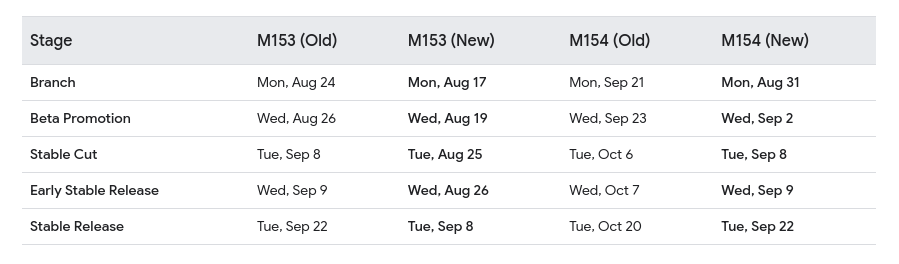
Rounding out the update is Google's strategic decision to accelerate its development cadence. Starting in September 2026, the release cycle will be shortened from four weeks to two. This shift toward a more dynamic schedule will allow for faster deployment of patches and features, transforming Chrome into a highly adaptive tool capable of reacting instantaneously to the shifts of the modern web.
 The Hidden Survival Mechanism of NeXT