In an era of ubiquitous reliance on cloud giants, data ownership has evolved into a fundamental question of digital sovereignty. While centralized services offer seamless convenience, they often do so at the expense of privacy and absolute control over personal archives. Immich seeks to resolve this tension, positioning itself as a robust, self-hosted alternative to corporate storage ecosystems. The launch of version 3.0 marks a pivotal shift for the platform, moving beyond its initial rapid development phase toward deep technical optimization and a refined user experience.
The ethos of self-hosting—reclaiming digital sovereignty by hosting services on one's own hardware—is undergoing a significant renaissance. Since its inception in 2022 under the GNU Affero General Public License v3.0, Immich has emerged as one of the most ambitious projects in this space. Its objective transcends merely replacing cloud storage; it aims to build an ecosystem where the user is the sole proprietor of their media assets. By leveraging Docker, the system's deployment has become accessible even to those without a background in systems administration, effectively transforming a standard server into a powerful command center for family archives.
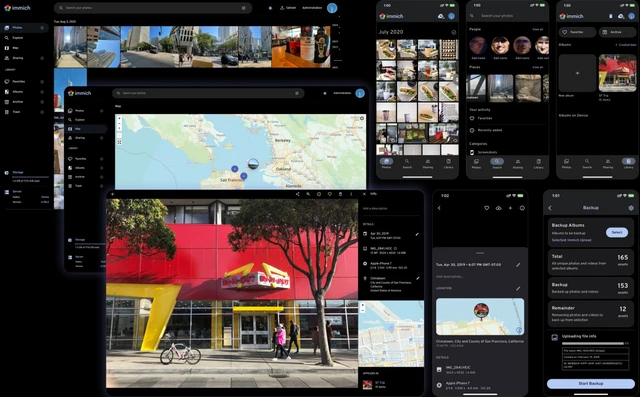
The platform's interface draws deliberate inspiration from Google Photos, minimizing the learning curve and ensuring a virtually seamless transition to a self-hosted solution. Yet, beneath this intuitive exterior lies a sophisticated multi-user model: the system allows multiple accounts to coexist within a single environment, enabling the creation of shared libraries for the family while maintaining strict isolation of personal data.
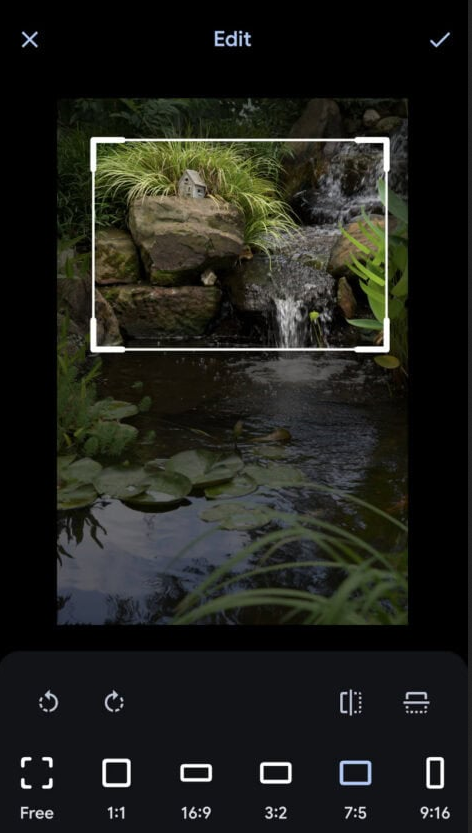
Version 3.0 and the subsequent 3.0.1 minor release focus on eliminating mobile user friction points and automating routine processes. A pivotal addition is the introduction of non-destructive editing within the mobile application. Now, cropping or rotating an image occurs at the metadata level rather than by overwriting the original file. This is critical for preserving the integrity of originals and provides essential flexibility, allowing any modification to be reverted at any time.
For power users, the introduction of "Workflows" elevates library management to a new level, enabling the automation of file operations via a drag-and-drop mechanism. The ability to configure these processes both visually and through JSON configurations transforms Immich from a simple repository into a media orchestration tool, where complex sorting and migration tasks are executed in seconds.
The developers have also placed a heavy emphasis on synchronization reliability. The Android version has undergone a fundamental overhaul of its backup scheduler; the system now strives for full background synchronization of the entire library rather than limiting itself to recent captures. On iOS, parallel data uploading has been implemented, significantly reducing archive update times when handling large volumes of information.
The technical stack has received critical enhancements as well. The introduction of a proprietary, customizable web video player has unified media management across all browsers, resolving long-standing layout and playback issues on Apple devices.
The final touch of the update is an extensive effort toward system stability. Correct EXIF data handling for RAW images on Android has been implemented, eliminating orientation errors. Memory usage during thumbnail rendering via Cronet has been optimized, timeline rendering bugs on maps have been resolved, and a transparent notification system for microservice status has been integrated. Security has been bolstered by the immediate locking of protected folders upon app minimization, while deterministic web builds ensure predictability and server stability regardless of the deployment environment.
 The Price of Acceleration: CXMT’s Rapid Push into Memory