The Linux kernel serves as the bedrock for the vast majority of modern servers and embedded systems worldwide. When access to its official archives is severed, it triggers a domino effect that reverberates across the entire open-source ecosystem. A recent technical failure within the Linux Foundation's infrastructure has exposed the fragility of even the most resilient distribution nodes. The ensuing four-day data recovery effort served as a stark reminder of how a single configuration error can paralyze global update and testing pipelines.
In the modern software hierarchy, kernel.org stands as the definitive "source of truth." More than just a website, it is a critical node through which patches, changelogs, and the archives of every Linux kernel version flow. However, in July 2026, this mechanism faltered, leading to the temporary disappearance of a massive array of data from public access.
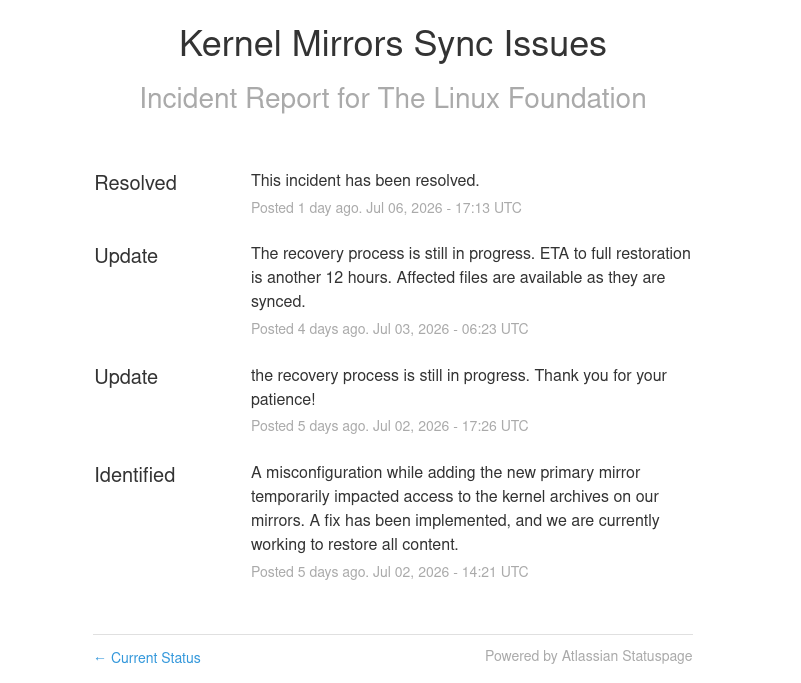
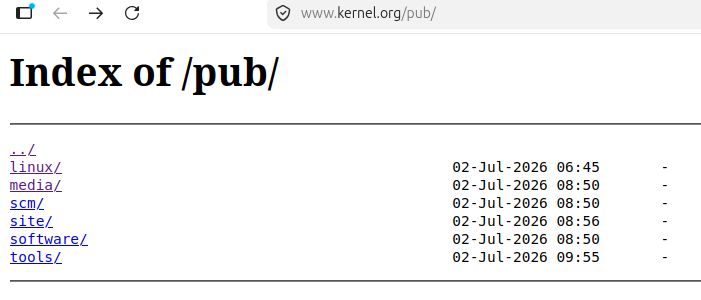
The catalyst for the incident was an attempt to modernize the infrastructure. During the configuration of a new primary mirror and the adjustment of the interaction logic between primary and secondary nodes, a critical configuration error was introduced. The result was instantaneous and catastrophic: the entire contents of the /pub/ directory—which housed historical code archives and current patches—were wiped from the mirror servers.
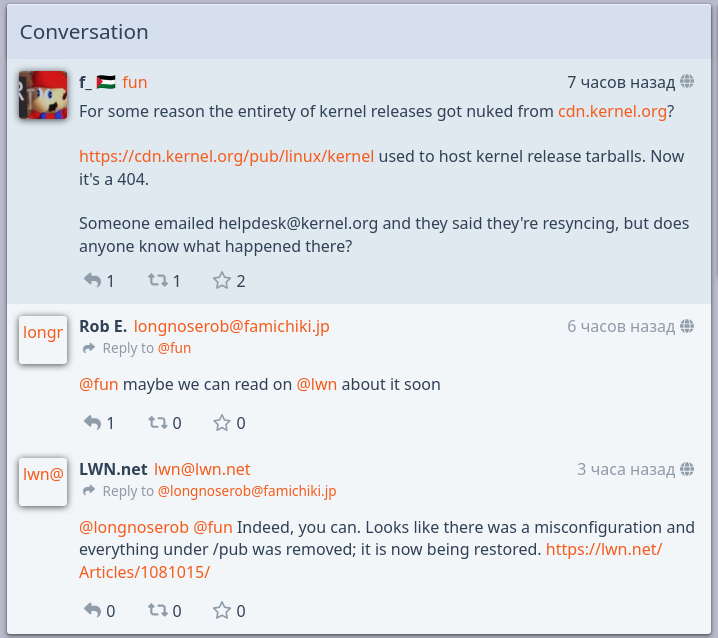
This case illustrated a classic paradox of systems administration: destructive operations are executed almost instantaneously, while the process of restoration demands immense time and computational resources. Although the "golden copies" of the kernel code remained secure and untouched, restoring public access took four full days. Engineers from the Linux Foundation were forced to painstakingly recover access to files that were previously considered available by default.
Of particular interest is how this localized failure in the mirroring infrastructure triggered malfunctions in third-party projects. Specifically, the openQA browser tests for the Fedora distribution crashed. For years, Fedora developers had relied on kernel.org as the gold standard and most reliable source for verifying file download mechanisms. The irony of the situation was that excessive trust in the stability of one of the IT industry's primary pillars transformed it into a single point of failure for automated testing systems.
This incident underscores a critical architectural lesson: even within the most conservative and reliable distribution systems, it is essential to implement redundancy mechanisms and independent verification. Without them, a single error in one configuration file can trigger a cascading failure across global development chains.
 The Price of Acceleration: CXMT’s Rapid Push into Memory