As modern operating systems grow increasingly complex, deep-dive system analysis has become indispensable for maintaining peak PC stability and performance. In an era of rapid Windows updates, transparency regarding the interplay between hardware and software is now a primary objective for both IT professionals and power users. Open diagnostic tools are key to achieving this level of granularity, enabling independent verification of overall system health. The latest release of Glow represents a paradigm shift in system monitoring, delivering uncompromising precision and reliability.
July 2026 saw the launch of Glow 26.11, a specialized tool designed for the comprehensive analysis of hardware and software resources within Windows 10 and 11 environments. Developed in C# and distributed under the open-source MIT license, the project has undergone a rapid evolutionary cycle—progressing from version 25.16 in late 2025 through several interim updates to its current state. This pace of development underscores the tool's deep adaptation to the shifting requirements of modern operating systems.
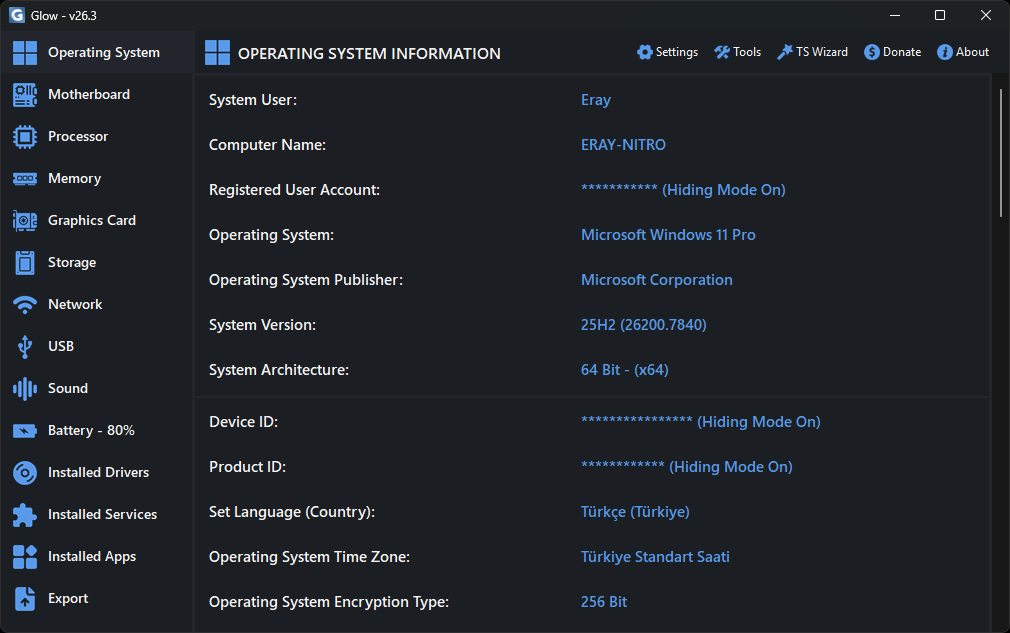
Conceptually, Glow serves as a unified hub for all hardware and software telemetry. Users gain a granular view of the CPU, motherboard, RAM, and GPU status, alongside access to low-level data regarding network interfaces, battery health, installed drivers, and active services. A standout feature is the solution's portability: its zero-install footprint allows the tool to be launched instantly from an archive, making it indispensable for rapid diagnostics or remote troubleshooting via text-based data exports.
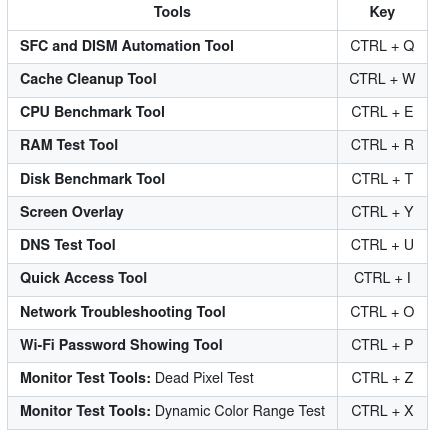
Version 26.11 marks a fundamental overhaul of the program's internal architecture. The pivotal change is the transition to a fully thread-safe data processing model. In the context of system analysis, this eliminates race conditions and ensures data integrity even during the parallel scanning of multiple system components under heavy load. This modernization elevates Glow from a simple specifications viewer to a resilient, professional-grade diagnostic instrument.
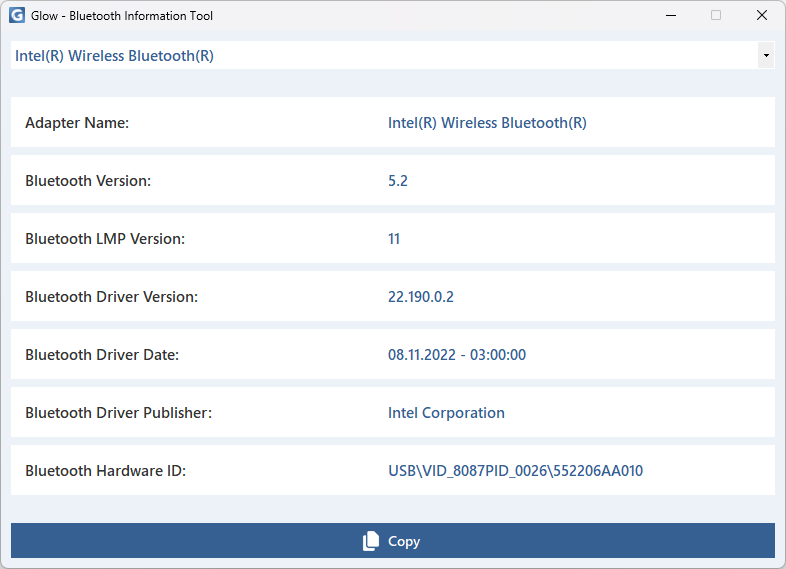
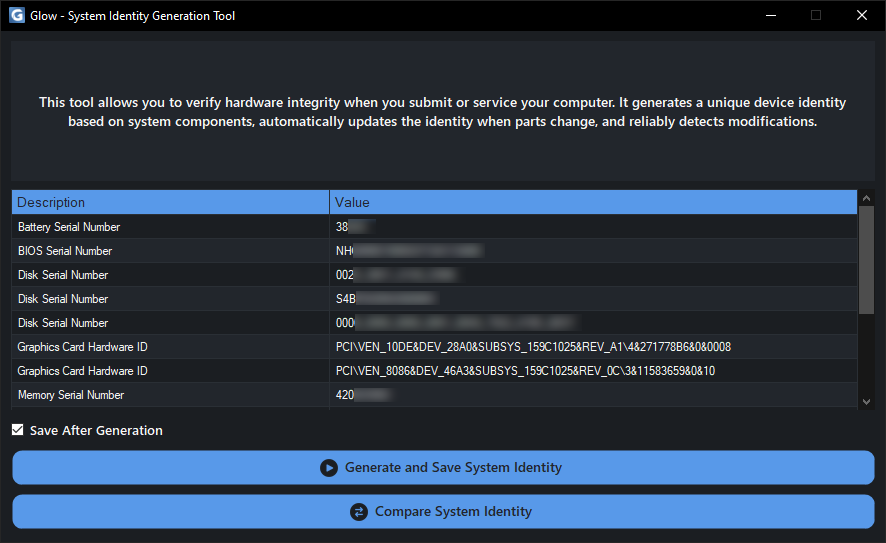
The developers have also broadened the tool's compatibility spectrum, introducing preliminary support for Windows 11 version 26H2 and officially confirming compatibility with Windows Server 2022 and subsequent server editions. This expanded reach highlights the tool's versatility, performing with equal efficiency on home workstations and within corporate infrastructures.
Parallel to these architectural shifts, a deep optimization of the user experience has been implemented. The search functionality across driver, service, and application tabs was redesigned to eliminate information noise; the interface now displays only relevant results, significantly accelerating navigation through massive datasets. Software scanning algorithms have also become more precise—Glow now determines application sizes, installation paths, and publisher data with high fidelity, which is critical for system security audits.
A subtle yet impactful touch is the modernization of the masked mode. Traditional asterisk masking has been replaced by a cleaner, contemporary visual representation using markers (●) with a fixed length of eight characters. This is more than an aesthetic tweak; it is a step toward interface standardization, resulting in a more consistent and professional appearance.
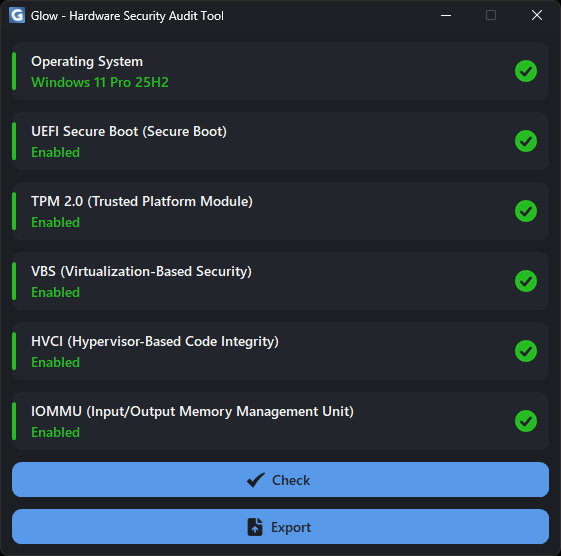
Codebase "hygiene" has also been prioritized: a comprehensive logging system has been integrated into every module, allowing for the rapid identification and resolution of background errors. Simultaneously, the color management infrastructure was streamlined. By removing redundant overhead, the developers have reduced memory consumption, making the interface more responsive and fluid.
The update culminates in the upgrade of the proprietary graphics library to version 26.8. This ensures flawless scaling of UI elements and consistent rendering across monitors of any resolution—a critical requirement for modern High-DPI displays.

 The Price of Acceleration: CXMT’s Rapid Push into Memory