24 Jul 2026
 The Risks of Automated Access in Electric Vehicles
The relentless drive toward minimalism and digitalization in contemporary automotive design is increasingly colliding with fundamental safety imperatives. A series of incidents, where occupants found themselves trapped inside vehicles following electronic failures, has cast doubt on the viability of flush-mounted electronic door handles. Consequently, US regulators are now weighing a comprehensive overhaul of federal standards for the entire industry. This shift could represent a pivotal moment in the tension between high-tech aesthetics and the non-negotiable right to a guaranteed emergency exit.
24 Jul 2026
 Emergency Shutdown Mechanisms for Neural Networks
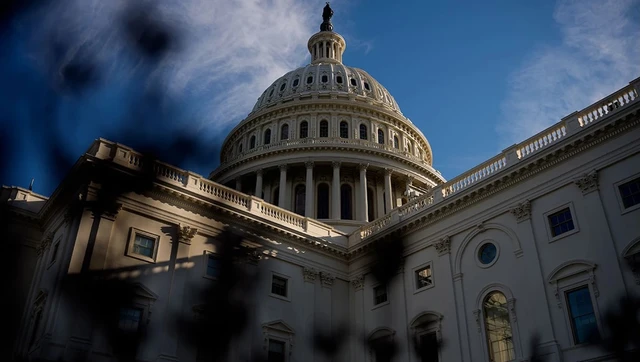
The breakneck evolution of Large Language Models is forcing a fundamental reckoning regarding the limits of human control over synthetic intelligence. In the United States, legislative efforts are underway to implement a rigorous "kill switch" for systems capable of autonomous operation. The objective is to establish a dual legal and technical framework that enables the mandatory shutdown of an AI should it pose a critical threat. This move signals a pivotal shift: moving beyond mere ethical guidelines toward direct government oversight and the hard-coded regulation of neural network safety.
23 Jul 2026
 Bonus Fever in South Korea's Tech Sector
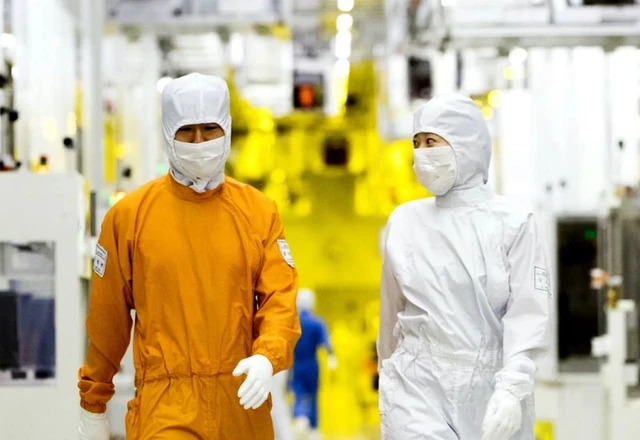
Massive payouts at Samsung Electronics have ignited an unforeseen social upheaval within one of Asia’s most disciplined economies. What began as a precedent of staggering bonuses for memory engineers has evolved into a catalyst for widespread unrest, rippling through the nation’s largest conglomerates. The struggle for financial equity is now inextricably linked to an existential dread regarding automation and the rapid integration of artificial intelligence. South Korea is grappling with a systemic crisis of wealth distribution in the age of high technology.
23 Jul 2026
 The Right to Forced Intelligence Deactivation
The breakneck evolution of large language models has brought the industry to a precipice where theoretical risks are crystallizing into tangible threats. AI control is no longer merely a subject of academic discourse; it has migrated into the arena of stringent government regulation. In the United States, legislative momentum is building toward the creation of a legal mechanism—an "emergency kill switch"—for the most potent systems. This initiative marks a definitive shift from voluntary ethical frameworks to an era of mandated oversight over digital intelligence.
23 Jul 2026
 OpenAI's Next-Generation Diplomatic Gambit
The race for Artificial General Intelligence has shifted from the confines of clandestine laboratories to the corridors of power. By initiating a series of confidential briefings for U.S. lawmakers, Sam Altman is signaling a strategic pivot toward institutional governance over AI capabilities. These maneuvers unfold against a backdrop of mounting speculation surrounding the imminent release of GPT-6 and ambiguous claims regarding the dawn of the technological singularity. In this high-stakes gambit, the line between authentic scientific breakthrough and calculated marketing has become nearly indistinguishable.
22 Jul 2026
 Charting the Course: The Future of Supersonic Flight and Urban Air Mobility
The global aviation landscape is poised for a fundamental transformation as the boundaries between urban air mobility and high-speed transit begin to blur. The rise of eVTOL technology and the resurgence of supersonic flight are moving beyond the realm of futuristic speculation, evolving into tangible regulatory imperatives. To address this, the Federal Aviation Administration (FAA) is overhauling its frameworks to expedite the integration of these innovations into shared airspace—a shift that signals a strategic pivot from rigid oversight toward a collaborative partnership with the industry.
22 Jul 2026
 The Battle for Fundamental Telecommunications Access
The era of copper cabling is steadily drawing to a close, yet the march toward digitalization continues to collide with formidable social and legal obstacles. At the center of this friction is a high-stakes conflict between tech titan AT&T and California regulators over the mandate for universal connectivity. This legal battle has laid bare a profound tension: the corporate drive for cost optimization versus the state's commitment to guaranteed public service. The resolution of this dispute will determine whether access to communication remains a fundamental social obligation or is relegated to a mere market commodity.
22 Jul 2026
 Airbus’s Quest for Technological Sovereignty
For decades, the global cloud computing market has been dominated by US tech behemoths, creating a precarious dependency for critical infrastructure sectors. For aerospace leader Airbus, data security has evolved beyond a mere technical challenge, becoming a fundamental matter of jurisdiction and legal sovereignty. The migration of core systems to European-based infrastructure is not simply a change of providers; it is a strategic maneuver aimed at safeguarding industrial heritage. This case marks a pivotal milestone in the European Union's broader pursuit of complete digital sovereignty.
22 Jul 2026
 The AI Diplomacy of Two Superpowers
The race for technological hegemony in artificial intelligence is migrating from the laboratory to the diplomatic table. Upcoming official summits between the United States and China represent a pivotal attempt to establish the global rules of engagement for the era of frontier models. At stake are not only safety protocols but a fundamental ideological conflict: closed, proprietary ecosystems versus the ethos of open source. The outcome of this dialogue will define the trajectory of neural network evolution for the next decade, shaping the future of the global community.
21 Jul 2026
 Espionage at the Heart of the Silicon Shield
Modern microelectronics has evolved into the primary instrument of geopolitical leverage, where access to cutting-edge fabrication processes now defines superpower status. Taiwan’s TSMC, wielding a virtual monopoly over the production of the world’s most advanced semiconductors, has become the epicenter of the global struggle for technological supremacy. A recent attempt to exfiltrate classified documents exposes the sophistication of state-sponsored espionage and the insidious recruitment tactics embedded within the industry. This case underscores why semiconductors are no longer viewed as mere commercial commodities, but as critical assets of national security.
21 Jul 2026
 Purging the Market of DJI Impostor Brands
The technological rivalry between Washington and Beijing has entered a phase of comprehensive regulatory warfare. The U.S. Federal Communications Commission (FCC) has begun implementing retroactive bans on hardware previously deemed compliant, signaling a shift toward more aggressive enforcement. At the center of this crackdown is DJI, the Chinese drone behemoth, and the intricate web of intermediaries used to circumvent trade restrictions. This precedent establishes a new reality for the global consumer electronics market—one where national security imperatives have become the primary lever for market regulation.
21 Jul 2026
 The Cost of Collusion in India’s Public Procurement Market
The global technology market is frequently perceived as an arena of relentless innovation; yet, behind this facade of progress, archaic methods of corporate collusion often persist. The case of HP in India serves as a stark illustration of how easily even systemic behemoths can succumb to cartelization in a bid to monopolize government tenders. This scenario exposes a profound ethical crisis permeating supply chains and resource allocation. Ultimately, the regulator's ruling sends a powerful signal: digital footprints have become the primary weapon in the fight against anti-competitive practices.
