The era of "disposable" electronics is steadily receding, driven by mounting regulatory pressure and global environmental initiatives. For years, a devotion to minimalist aesthetics and hermetically sealed enclosures took precedence over serviceability, often rendering even minor hardware failures catastrophic. The industry now stands on the precipice of a fundamental paradigm shift, as the "right to repair" evolves from a grassroots movement into a mandatory regulatory requirement. Consequently, Apple is being compelled to overhaul its approach to accessory design to align with the stringent mandates of European legislation.
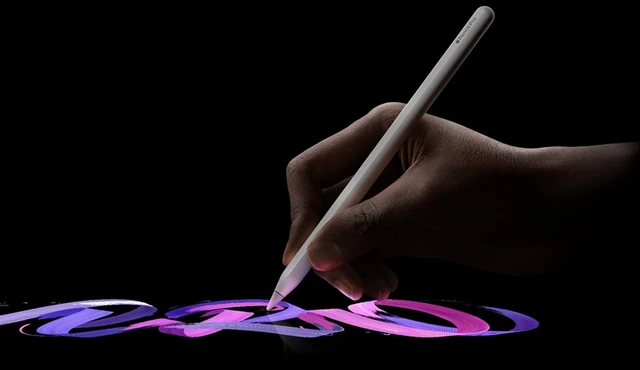
The tension between industrial design and environmental sustainability has reached a critical juncture. For years, the Apple Pencil stood as a benchmark of engineering precision, yet it simultaneously embodied the philosophy of the closed ecosystem: the use of industrial adhesives during assembly rendered battery replacement virtually impossible without risking the destruction of the device. In practice, any degradation of the battery necessitated the purchase of an entirely new stylus.
This paradigm is shifting under the weight of external pressures. The European Union's Battery Regulation—specifically Article 11—mandates stringent requirements for consumer electronics: batteries must be easily replaceable by the end user. These regulations will come into full effect on February 18, 2027, and Apple, seeking to mitigate regulatory risks, is already beginning to adapt its product roadmap.
According to industry insiders, the company will unveil an updated lineup of styluses next spring, synchronized with the release of new iPad Pro models. Two key devices are currently in development, both aimed at solving the issues of longevity and repairability.
The first model, codenamed B582, will be an evolution of the entry-level Apple Pencil. Targeted at the mass market, this device utilizes a USB-C port for charging and data transfer. The second, more advanced model, B632, will update the functionality of the Apple Pencil Pro, which debuted in 2024 alongside the M4-powered tablets. For this version, maintaining the magnetic attachment to the iPad chassis—the primary mechanism for charging—remains critical.
The engineering challenge lies in implementing replaceable power cells without compromising ergonomics or the devices' ultra-slim profiles. Transitioning from permanent adhesives to modular, disassemblable constructions will require a complete overhaul of the styluses' internal architecture.
However, the Apple Pencil is merely one part of a broader transformation. EU mandates extend across the entire spectrum of rechargeable accessories: from wireless mice and keyboards to earbuds. This is where Apple faces its steepest climb. While implementing a replaceable battery in a stylus is technically feasible, doing so in the miniature form factor of AirPods borders on the impossible without radically altering the devices' shape and size.
Consequently, the upcoming Apple Pencil refresh will serve as a significant precedent. It marks the first step away from the philosophy of "planned obsolescence" toward true durability—a shift driven not so much by corporate volition as by the relentless legislative pressure of the global market.
 The Power Shift at Apple