The abandoned spaces of modern industry are evolving into sites of an uncanny pilgrimage, where the boundary between urban exploration and criminal trespass is nearly erased. In New York, the former IBM campus has transitioned from a hub of strategic planning into a cinematic backdrop for dystopian content. Today, the site stands as a stark manifestation of the conflict between private property rights and the impulse to preserve the cultural imprint of High Modernism. The saga of Somers exposes the phenomenon of "digital vandalism," where the pursuit of viral engagement accelerates the physical degradation of monuments dedicated to technology and design.
In the heart of New York State, within the town of Somers, one of the 20th century's symbols of corporate triumph is slowly succumbing to decay. The former IBM campus, designed by the legendary I.M. Pei, was once the physical embodiment of intellectual prowess and rigorous order. Its signature pyramidal forms and lush greenery created the atmosphere of a "technological Acropolis," where the strategy of one of computing's primary giants was forged for decades. Today, however, this 1980s architectural ensemble has transformed into a magnet for urban explorers—the "urbex" community.
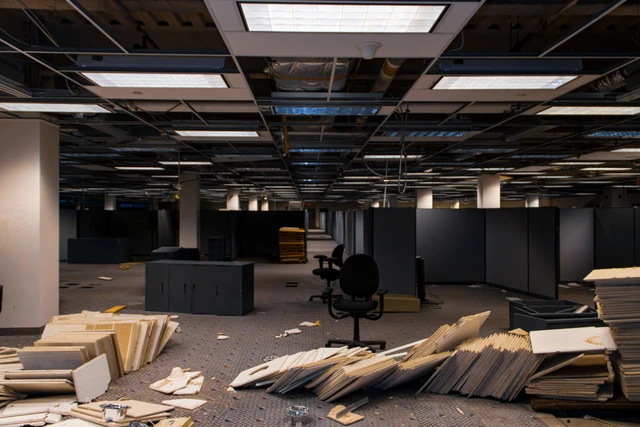
The current state of the complex evokes scenes from post-apocalyptic cinema: shattered glass, walls layered with graffiti, and ransacked offices. Yet, within these ruins, eerily untouched fragments of the past remain—conference rooms and workstations frozen in the exact moment the company vacated the site a decade ago. This aesthetic of decay has become the perfect catalyst for social media, where striking images from Somers go viral instantly, triggering successive waves of trespassers.
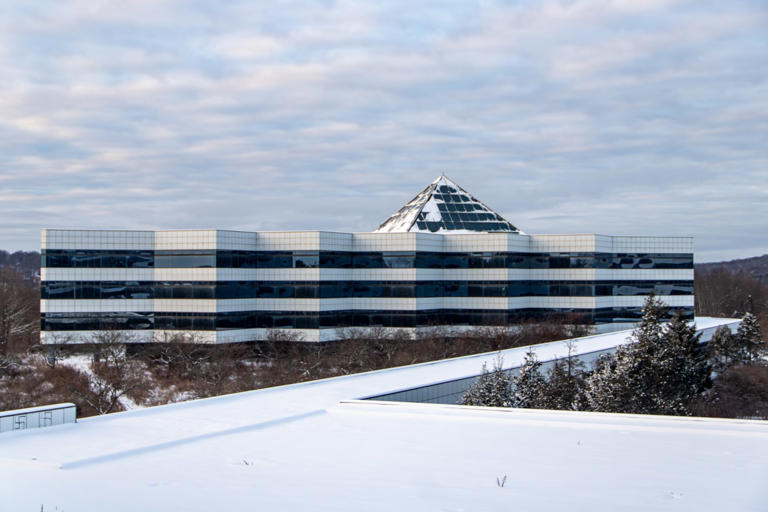
The facility's financial trajectory has been no less dramatic than its physical decline. In 2016, the complex was sold to Sebastian Capital for $31.75 million. Ambitious plans to convert the grounds into a private school foundered upon the realities of the COVID-19 pandemic, leaving the property in a state of limbo. While the owners seek new viable uses for the space, the campus has effectively become a "no man's land," attracting hundreds of visitors.
Since February of this year, state police have recorded 48 arrests for trespassing. While teenagers predominate among those detained, there are also dedicated researchers who view their mission as documenting and preserving IBM's legacy. For them, this is not merely a stroll through ruins, but a form of "urban hacking"—an attempt to spark intellectual curiosity about history through physical contact with a forbidden site.
However, the romance of exploration frequently collides with harsh reality. In one instance, a detainee was found armed with a 9mm pistol, and his list of "trophies" included a Sony camera and a power strip. Furthermore, the uncontrolled influx of visitors is leading to genuine catastrophes: in late March, a fire broke out on the premises, requiring three hours of firefighting efforts and causing significant damage to one of the buildings.

This situation illustrates a dangerous paradox of modern digital culture. On one hand, urbex can serve as an entry point into history and culture, prompting youth to take an interest in what existed before the smartphone era. On the other hand, there is the phenomenon of "death by views": once a location becomes too popular online, it inevitably falls victim to looting or arson.
For those who worked in Somers for decades, witnessing the ruins of this place is akin to observing the collapse of an entire era of intellectual ascent. What was once a sanctuary of thought and strategy is now being reduced to a playground, where the value of I.M. Pei's architectural vision is sacrificed for the sake of a striking social media post.
 The Strategic Alliance of Nvidia and MediaTek