The struggle for control over the mobile market has reached a critical juncture, challenging the long-standing hegemony of Google Play. A wave of litigation and mounting antitrust pressure is forcing the tech giant to fundamentally rethink its core tenets of software distribution. The epicenter of this shift is the US market, where an open-access model for third-party app stores is now being implemented. These changes signal a pivotal transition from a closed "walled garden" ecosystem toward a more transparent and competitive landscape.
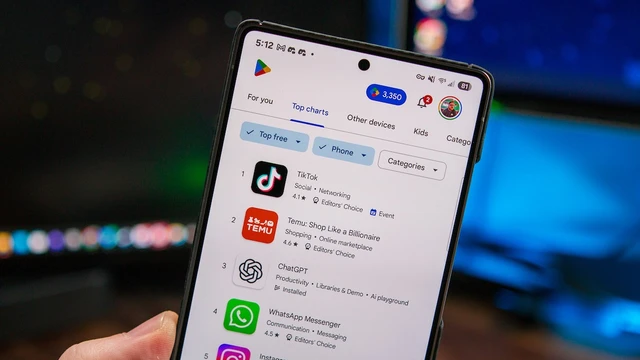
The legal battle between Epic Games and Google, one of the most consequential disputes in software history, has triggered fundamental structural shifts within Android. With private settlement attempts failing, Google now faces the full weight of judicial mandates. The outcome is a landmark requirement: starting July 22, 2026, Google must integrate third-party app stores directly into Google Play for users in the United States.
Central to this shift is Judge James Donato, who concluded that merely allowing the installation of alternative stores is insufficient to dismantle a monopoly. In the court's view, the only effective way to break a closed ecosystem is to grant competitors direct access to the Google Play catalog. This ruling strikes at the very core of Google's business model, transforming the primary Android storefront from an exclusive distributor into a meta-platform for competing marketplaces.
In an attempt to soften the blow, Google proposed the concept of "Registered App Stores." Under this framework, users would still need to manually install third-party services—a friction point that significantly hampers conversion rates and diminishes the appeal of alternatives. The court, however, dismissed these half-measures, insisting on a deeper integration that eliminates barriers for users transitioning to external services.
Interestingly, this pressure is giving rise to a "two-tier" Android experience. While the rest of the world sees the implementation of a registration program requiring manual installation, the US will see a more radical "store-within-a-store" model. This creates a unique precedent where regional legislation and judicial rulings dictate the technical evolution of a global product.
For developers, this transformation brings increased automation: starting in July, their apps and games will be available to third-party stores by default, unless they explicitly opt out. Yet, Google retains certain levers of control. Access to the Play Store catalog for external platforms will come with a price tag—an annual fee of $5,000, coupled with a stringent set of compliance requirements.
The economic landscape is also shifting. As part of the settlement with Epic Games, Google was forced to lower its base commission on in-game purchases from the traditional 30% to 20%. A 5% surcharge remains if developers utilize Google's own payment system. This shift reflects a broader global trend toward reducing the "platform tax" that has long been the primary profit engine for ecosystem owners.
Ultimately, the return of Fortnite to Google Play and the growth of the Epic Games Store symbolize a new era. The age of absolute vendor control over distribution is giving way to a period of forced coexistence, where technical barriers are gradually yielding to market competition.
 The Battle for Semiconductor Intelligence