17 Sept 2026
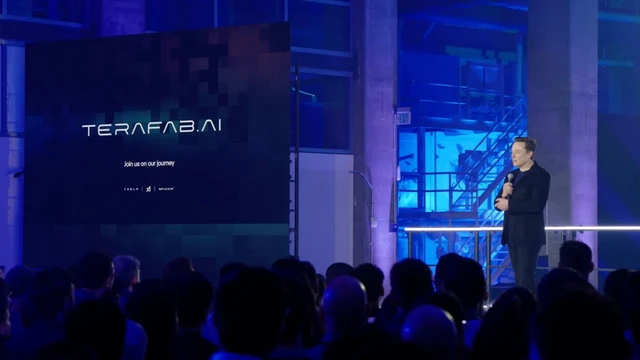 The Battle for the Terafab Trademark
The race for AI hardware supremacy is no longer fought solely on the battlegrounds of silicon architecture and power efficiency; it has extended into the realm of corporate identity. Elon Musk’s ambitious vision for Terafab—a massive chip-manufacturing facility—has hit an unexpected legal snag. This trademark dispute between a global tech titan and a niche player underscores the inherent fragility of branding in an era of breakneck technological acceleration. Ultimately, the conflict serves as a poignant case study in the collision between industrial-scale manufacturing and highly specialized, laboratory-driven innovation.
17 Sept 2026
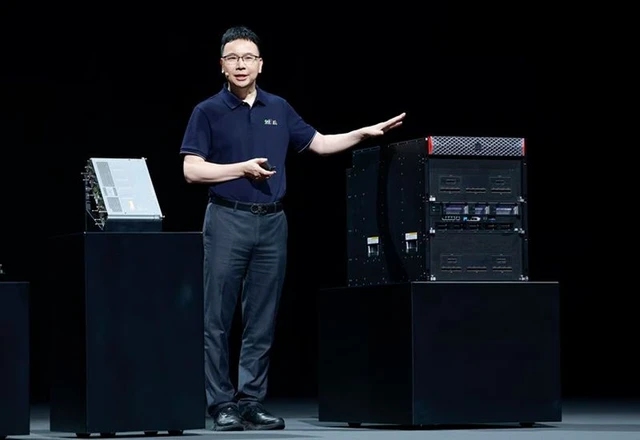 The Technological Leap of the Ascend Family
The global AI arms race is entering a phase of hyper-acceleration, pitting the market dominance of Nvidia and AMD against the soaring ambitions of Eastern tech titans. At the heart of this struggle is Huawei, which is aggressively overhauling its development cycles to close the widening technological divide. The company's strategy is pivoting away from the pursuit of single-die supremacy toward the engineering of massive, distributed computing architectures. This approach has become the only viable path to circumvent the stringent restrictions imposed on the supply of cutting-edge components.
17 Sept 2026
 The Horizons of China's Semiconductor Industry
The global high-tech rivalry has shifted from the realm of software to the domains of fundamental physics and precision engineering. Restrictions on the supply of Extreme Ultraviolet (EUV) lithography systems have transformed access to cutting-edge chipmaking into a primary geopolitical lever for exerting pressure on China. Yet, industry leaders suggest that this technological blockade may prove to be merely a temporary hurdle. The central debate now revolves around whether China can bridge the engineering gap and achieve semiconductor autonomy by the end of the decade.
17 Sept 2026
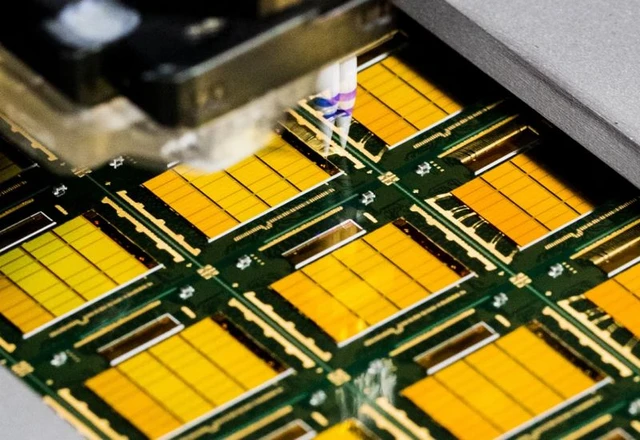 Scaling the Global Semiconductor Market
The semiconductor industry has entered a phase of unprecedented acceleration, where traditional growth cycles are giving way to an exponential surge. While it took half a century for the sector's market valuation to reach its first trillion-dollar milestone, the next stage of expansion is poised to unfold in a matter of years. This trajectory is being propelled not only by generative AI but also by a fundamental transformation of data infrastructure and the industrial sector. Current projections suggest the market will hit $3.2 trillion by 2030—a shift that effectively represents a comprehensive reconfiguration of the entire digital economy.
17 Sept 2026
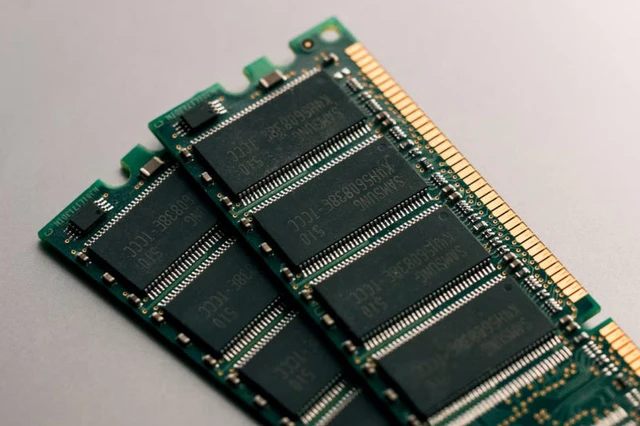 The Evolution of Ferroelectric Memory Endurance
The current AI surge is placing unprecedented pressure on hardware, positioning memory speed and reliability as the primary bottlenecks in modern computing architectures. Consequently, the global semiconductor industry has pivoted toward discovering materials that can marry energy efficiency with extreme endurance—specifically, a massive rewrite cycle capacity. Ferroelectrics have emerged as the critical catalyst in this pursuit, promising to blur the distinction between volatile (RAM) and non-volatile storage. A recent technological breakthrough in this field has extended storage lifespan by a hundredfold, paving the way for the development of ultra-stable, enterprise-grade server solutions.
17 Sept 2026
 CXMT’s Strategic Expansion into the Mobile Memory Market
For years, the global semiconductor landscape has been dominated by a tight oligarchy of American and South Korean titans. However, the prevailing component shortages and an intensifying drive toward technological sovereignty are compelling electronics manufacturers to fundamentally overhaul their supply chains. Stepping into this void is CXMT; the Chinese firm is rapidly evolving from a regional player into a formidable global competitor. In the current climate, product availability has become a more decisive factor than pricing strategy.
17 Sept 2026
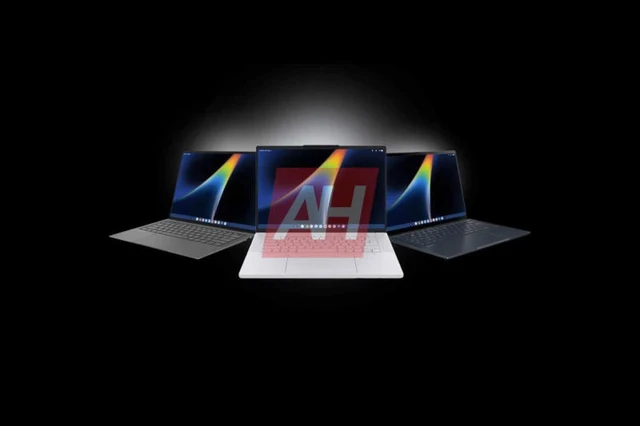 Googlebook: Setting a New Standard for Premium Laptops
Google is reimagining its hardware strategy, aiming to forge a unified and distinctive ecosystem of premium devices. The emergence of the "Googlebook" brand signals a pivotal shift away from the fragmented landscape of Chromebooks toward a cohesive product lineage defined by rigorous quality standards. Early leaks of models from top-tier vendors underscore the company's ambition to seamlessly blend high-end aesthetics with raw performance. This represents a strategic pivot, transforming cloud-centric systems into comprehensive, professional-grade productivity tools.
17 Sept 2026
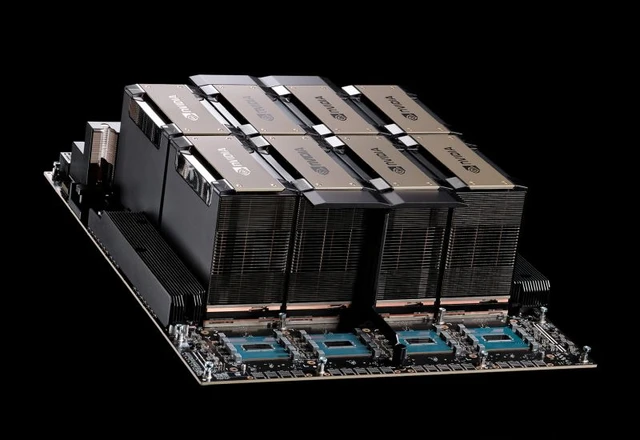 China's Shadow Market for AI Accelerators
The global AI arms race is no longer defined solely by algorithmic sophistication, but by physical access to raw computational power. US efforts to restrict the export of cutting-edge GPUs to China have created a paradox: stringent regulatory barriers have instead served as a catalyst for the development of highly complex evasion systems. Emerging data reveals the formation of a vast shadow infrastructure dedicated to supplying the Chinese tech sector with prohibited hardware—a clandestine economy that may now be underpinning a significant portion of the nation's domestic computing capacity.
16 Sept 2026
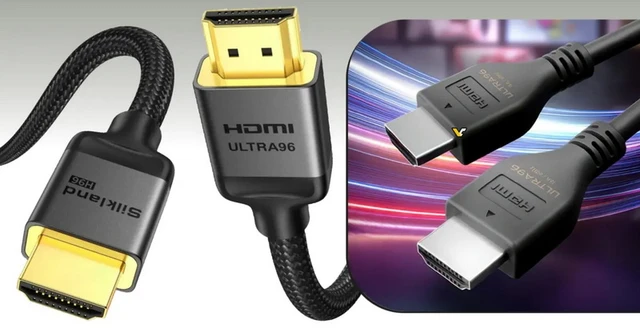 HDMI 2.2: The New Standard for Data Transmission
The visual content industry is hurtling toward 8K resolutions and ultra-high refresh rates, necessitating a fundamental overhaul of interface bandwidth. The HDMI 2.2 standard emerges as the definitive answer to this challenge, delivering a twofold increase in data throughput over its predecessor. The arrival of the first certified Ultra96 cables marks the critical transition from theoretical specifications to commercial availability. The infrastructure is now primed for the next generation of GPUs, which will fully unlock the potential of this standard.
16 Sept 2026
 The Identity Crisis of the Founders Edition GPU
The Founders Edition series has long been regarded as the gold standard of Nvidia's engineering prowess and aesthetic vision. Yet, this premium positioning has been undermined by an unforeseen physical flaw that directly jeopardizes consumer rights. The erosion of serial numbers effectively renders high-end hardware "anonymous," stripping owners of their ability to claim warranty support. This predicament exposes a critical vulnerability: the lingering dependence of modern after-sales service on physical labeling in an era of pervasive digitalization.
16 Sept 2026
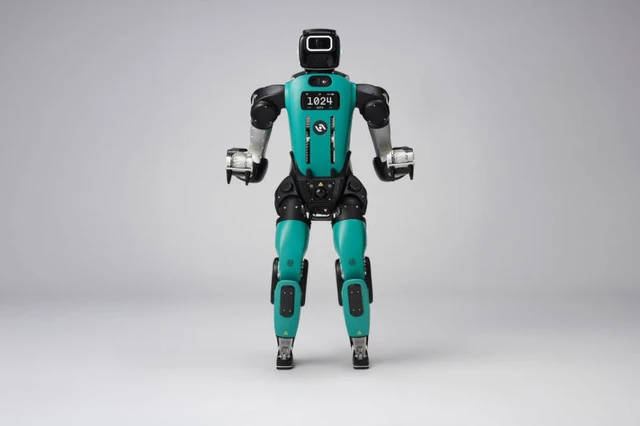 The Evolution of the Digit 5 Industrial Humanoid
The vision of seamless human-machine interaction is evolving from the realm of science fiction into a tangible industrial standard. For years, the primary barrier to the widespread adoption of humanoid robots has been safety—specifically, the necessity of physically isolating machines from human personnel. Agility Robotics aims to dismantle these barriers with the introduction of Digit 5, a platform engineered for intuitive coexistence within shared environments. This transition signals a fundamental paradigm shift: moving away from rigid zoning toward a model of flexible, secure integration.
16 Sept 2026
 Intel's Semiconductor Capacity Crisis
The global compute market is grappling with a systemic crisis that transcends a mere shortage of components. The meteoric rise of artificial intelligence has exposed critical vulnerabilities within the supply chains and manufacturing capacities of the industry's dominant players. Today, the sector faces a reality where demand for hardware exponentially outweighs supply, creating long-term risks for the evolution of data center infrastructure. At the eye of this storm sits Intel, whose current production capacity is unable to satisfy even half of the market's demand.
