The pervasive myth that Linux can breathe new life into legacy hardware often collides with a harsh technical reality. The promise of transforming an aging laptop into a fully functional workstation via a "lightweight" distribution is alluring, yet it masks profound architectural contradictions. In practice, the user encounters more than just resource constraints; they face driver degradation and a fundamental misalignment between modern software and legacy silicon. This is an exploration of why software optimization ultimately fails when confronted with the physical limitations of hardware.
A clean desktop, a snappy interface, and a minimal memory footprint are often touted as an absolute victory over commercial operating systems. Tech blogs aggressively push the narrative that Linux can transform any piece of legacy silicon into a modern, viable tool. However, beneath the aesthetic of minimalism lies a harsh conflict between the demands of the modern web and the capabilities of aging processors.
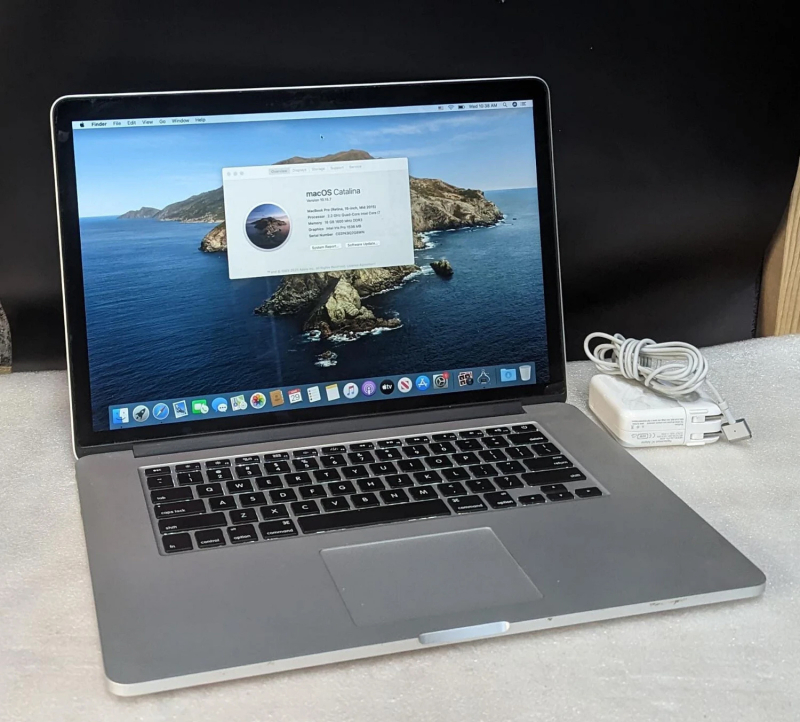
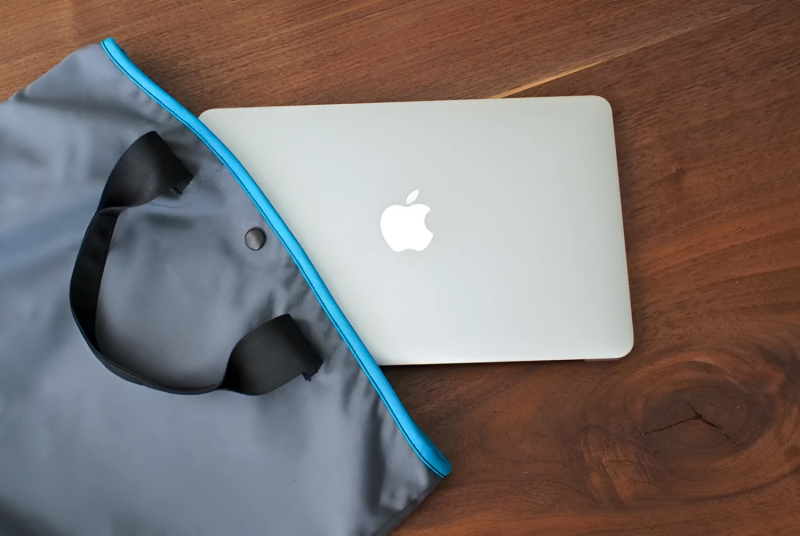
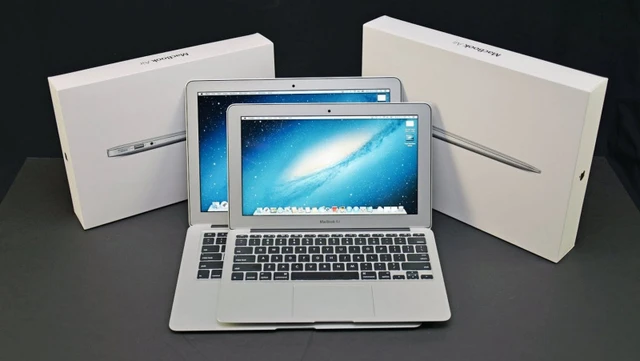
Consider this process through the lens of a 2011 11-inch MacBook Air. In its prime, the Intel Sandy Bridge platform was the gold standard for mobility, but over time, its shortcomings became critical. On one hand, Apple's operating systems grew heavier, burdened by an increasing array of background services. On the other, the internet itself evolved into a resource-heavy ecosystem. By 2018, it became evident that the Sandy Bridge architecture was suffering a catastrophic loss in power efficiency under the load of modern software. Even with a fresh battery, a device designed for five hours of endurance barely managed three, effectively regressing to the battery life of a budget laptop from that era.
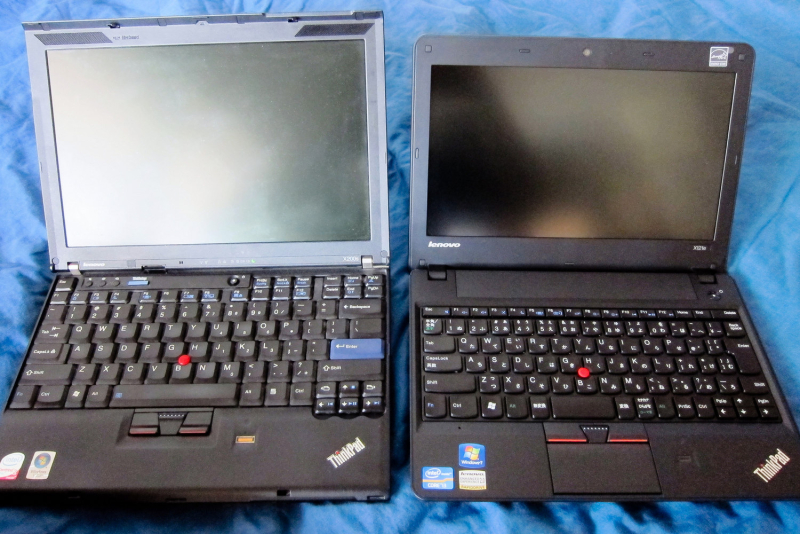
The quest for a solution led to experiments in "techno-alchemy"—the search for that one specific distribution that could restore the machine's former speed. The first testing ground was a Lenovo ThinkPad X121e. At first glance, Linux Mint performed flawlessly: windows moved smoothly, and the system booted instantaneously. But this responsiveness was merely an illusion of the "idle state." The moment a local Full HD video was launched, the hardware platform buckled, exhibiting lags where native Windows had previously handled the task with ease.
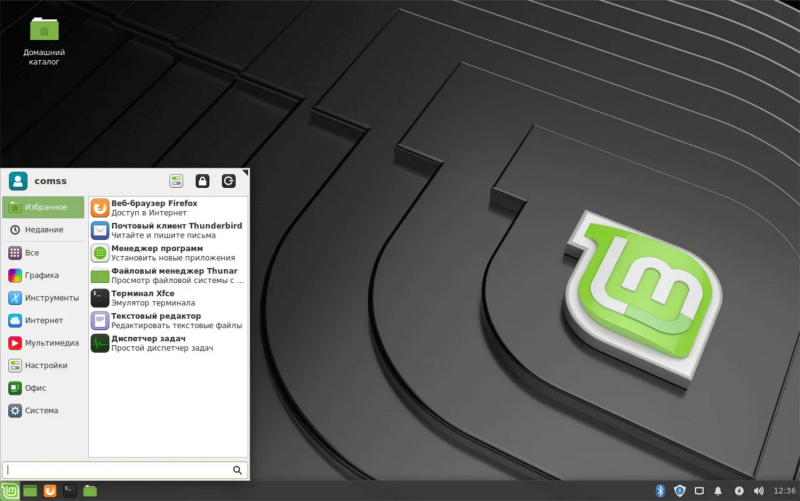
Returning to the MacBook Air, the researcher attempted to implement Linux Mint XFCE. Initial results were encouraging: the interface stopped stuttering, the burden of Apple's forced updates vanished, and 1080p video played smoothly. However, two systemic issues emerged. First, power consumption remained at a catastrophic level; the "lightweight" nature of the distribution could not remedy the power-hungry appetite of the aging processor. Second, there was the issue of instability. After several attempts at fine-tuning, Linux ceased to shut down properly, forcing a reluctant retreat to macOS High Sierra.
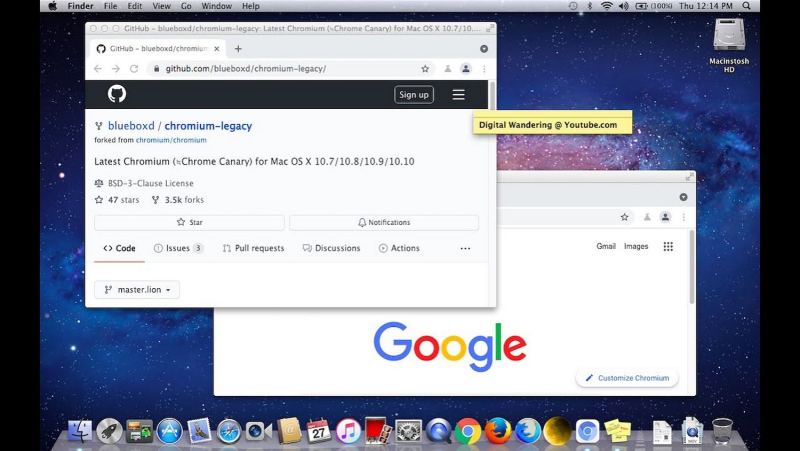
During this period, it became apparent that the device was losing charge even in sleep mode, due to the idiosyncrasies of Sandy Bridge and heavy system services. The only way to keep the browser functional was through the Chromium Legacy project—an enthusiast-driven solution designed to bypass the problem of expired root certificates on older versions of macOS.
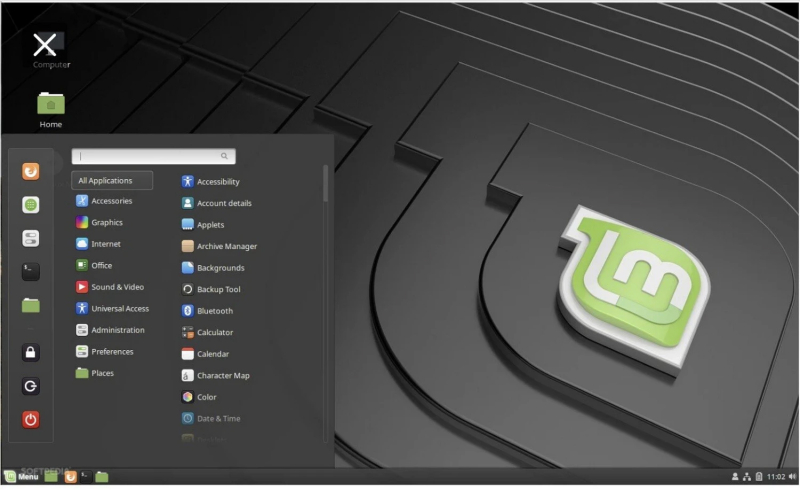
Years later, in 2026, a second attempt at resuscitation was made. One would assume that by this time, open-source software would have matured and become more stable. However, installing the current Linux Mint XFCE 22.3 led to a paradoxical outcome: a system positioned as "lightweight" performed worse on old hardware than versions from five years prior. 720p and 1080p video turned into a slideshow, and the CPU instantly spiked to 100% utilization.
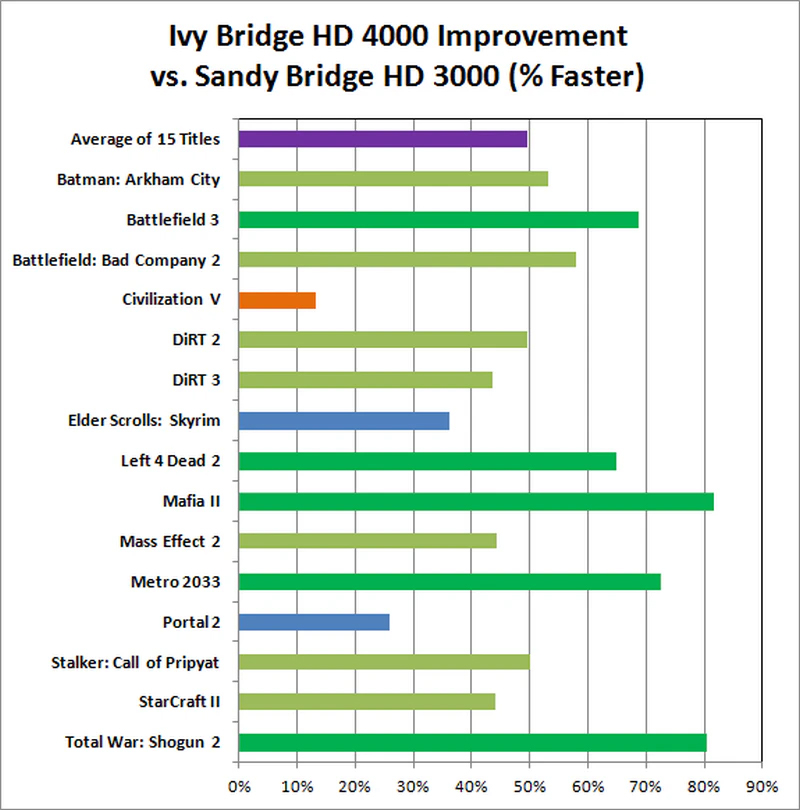
The culprit was a deep architectural bottleneck within the graphics stack. Older versions of the distribution utilized the proven i915 driver. However, modern updates to the Mesa libraries forcibly migrate the Intel HD 3000 GPU to the new Crocus driver. While newer chips (such as the HD 4000) handle this transition seamlessly, the Sandy Bridge architecture suffers an internal failure. The system doesn't throw an explicit error; it simply silently disables hardware video acceleration.
Consequently, the entire burden of decoding Full HD video falls upon the central processor. An old dual-core i5 is physically incapable of handling this task via software, resulting in a catastrophic collapse in performance.
Attempts to rectify the situation using artificial intelligence led to a final crash. A series of terminal scripts suggested by an AI eventually corrupted the drive's partition table. The result was a classic end to failed Apple experiments: a flashing folder with a question mark on the screen, signaling the loss of the boot volume.
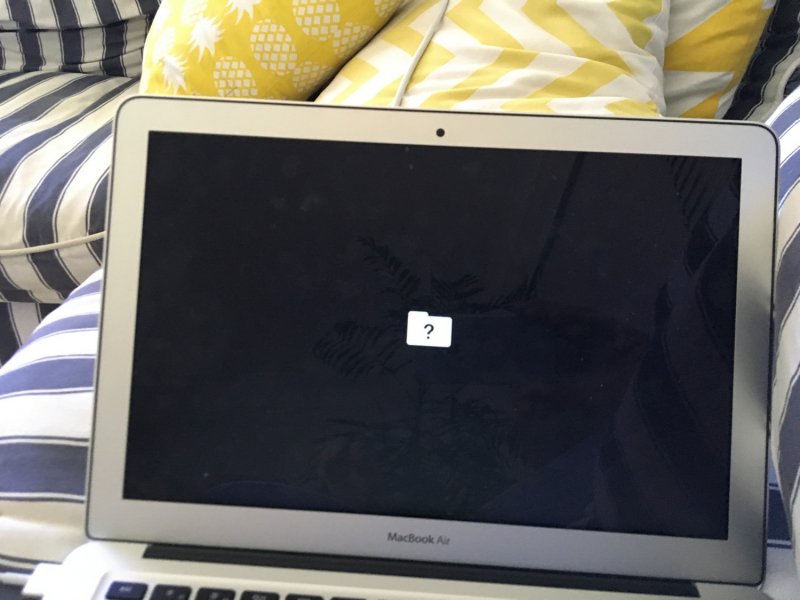
After the laborious process of restoring the original partitioning, an ironic technical paradox emerged. The old commercial OS, High Sierra, despite its "heaviness" and memory bloat, continued to stably utilize the hardware decoding of the Intel HD 3000 chip. It maintained an optimization pipeline that modern open-source software had severed in favor of the universality of new drivers.
Ultimately, reviving old hardware via Linux proves to be more of a marketing myth and a hobby than a practical solution. If a device loses the "architectural lottery," no amount of software lightness can save it. Modern web standards, security requirements, and heavy scripts demand current silicon. In the world of high tech, performance is paid for in gigahertz and gigabytes, and no distribution can substitute for a physical hardware upgrade.
 The Price of Acceleration: CXMT’s Rapid Push into Memory