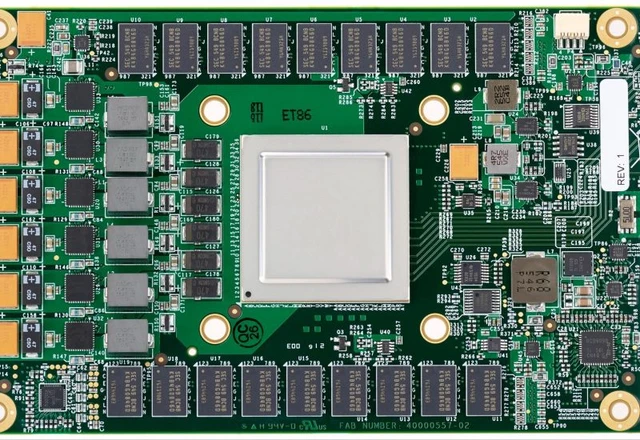
The global semiconductor market is undergoing a tectonic shift, one where the consumer segment is being relegated to the periphery of manufacturer priorities. The meteoric rise of generative AI has pivoted production capacities toward the scaling of colossal data centers, effectively sidelining the average user. This pivot has triggered an unprecedented surge in memory prices, transforming routine hardware components into luxury goods. The industry is now grappling with a systemic crisis of accessibility—one that threatens to persist for years.
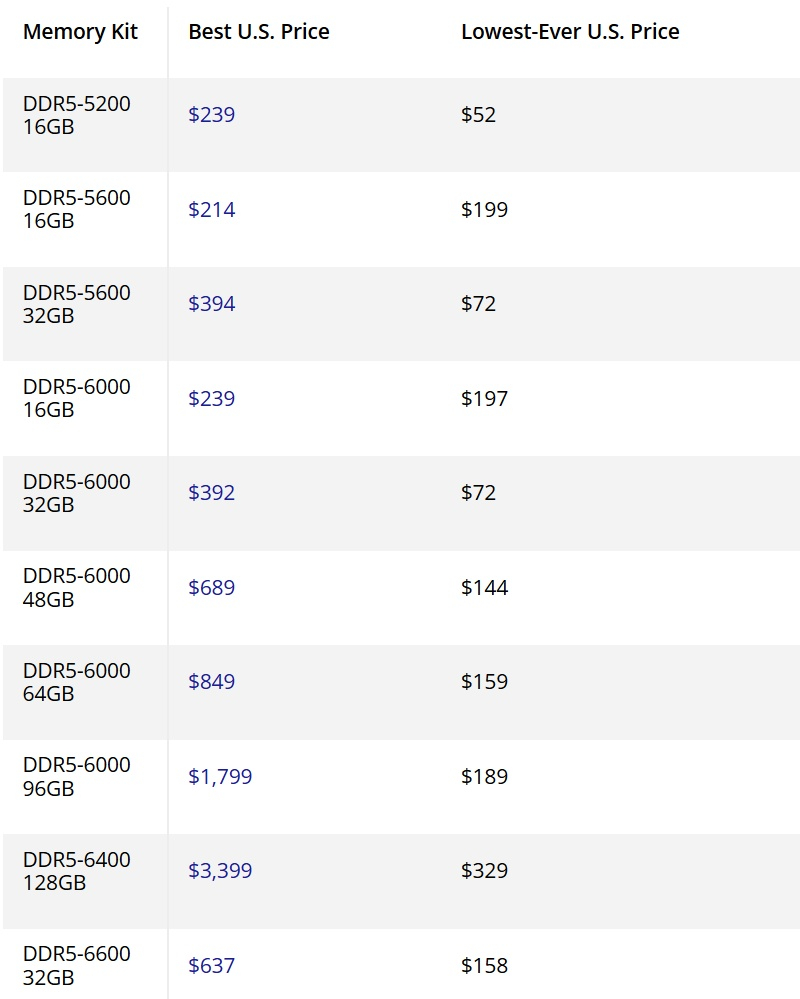
The modern computer components market is grappling with a phenomenon that experts have already dubbed the "RAM Apocalypse." Pricing for DDR5 memory has defied all logic, with high-capacity modules experiencing exponential growth. Specifically, 128GB kits have surged tenfold from their historical lows, hitting the $3,399 mark. Even the mid-range segment has not been spared: standard 32GB kits, which previously hovered around $72, now cost consumers nearly $400.
This price shock has triggered a domino effect across the entire memory market. As DDR5 became effectively inaccessible to most home users and PC builders, demand shifted sharply toward legacy, more affordable DDR4 platforms. However, this pivot only exacerbated the problem; fueled by renewed interest, DDR4 prices have spiked by 120–180%. Consequently, users hoping to save money find that a kit costing $105 a year ago is now valued at $281.
The crisis is global in scope and not limited to any single region. Europe is seeing similar trends, with average RAM prices skyrocketing 345% compared to September 2025 levels. Furthermore, shortages and price surges have bled into other storage categories—HDD and SSD costs have climbed more than 125% over the same period.
The root cause lies in a fundamental shift in industry priorities. Today's primary memory consumers are cloud computing giants and AI developers, who require massive amounts of high-speed memory—specifically HBM (High Bandwidth Memory)—to train neural networks. The market's biggest players have already locked up nearly all global DRAM production capacity for the coming years, with prepayments extending into 2027. As a result, DRAM has become one of the most expensive commodities in the world by weight; the cost of standard chips per kilogram now exceeds half the price of pure gold.
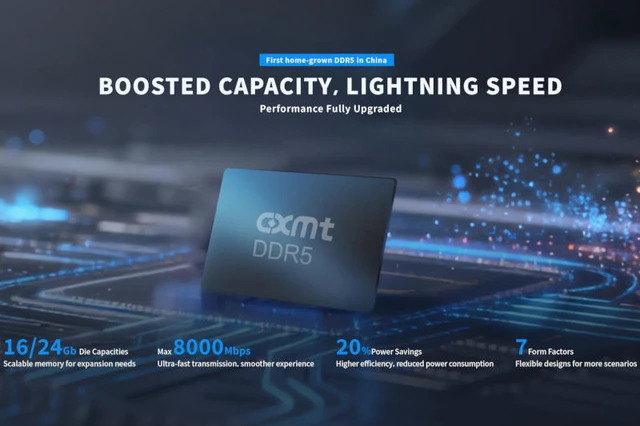
In this new hierarchy, PC and smartphone manufacturers have been relegated to a low-priority tier. Major memory vendors—Samsung, SK Hynix, Micron, and China's CXMT—have reported exponential revenue growth by pivoting their production lines to serve data centers.
The prospects for a return to previous pricing are bleak. SK Hynix leadership predicts that 2027 could be the worst year in industry history for supply volumes, with capacity shortages potentially persisting until 2030. ADATA's leadership offers even more pessimistic forecasts, suggesting that the period of high costs and limited supply could stretch across a decade.
It is evident that the era of cheap, readily available memory has come to an end. Consumers must either adapt to these new economic realities or radically rethink their memory requirements for their systems.
 The Price of Acceleration: CXMT’s Rapid Push into Memory