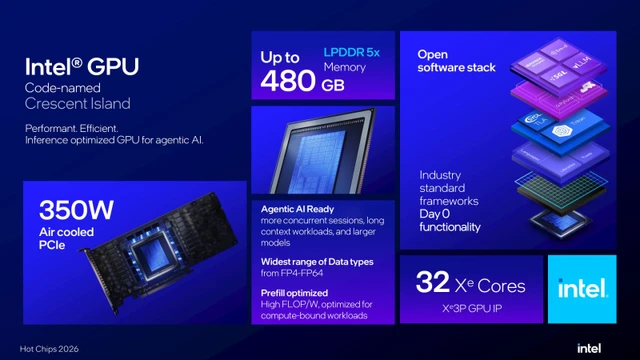
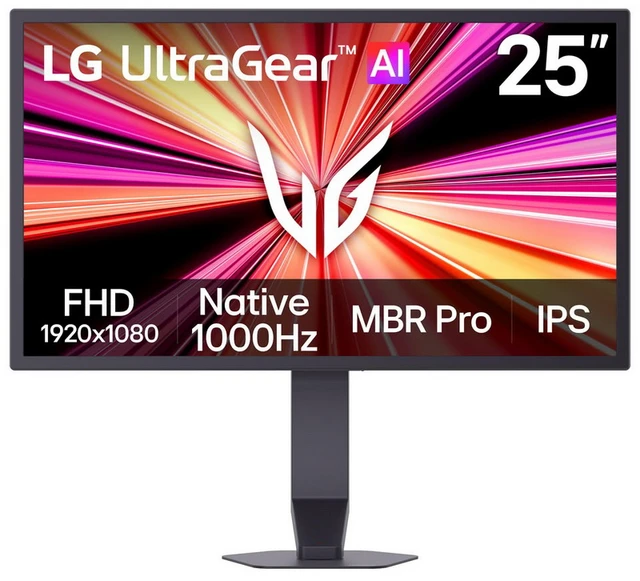
The global AI arms race has catalyzed an unprecedented spike in capital expenditures for cloud providers. However, the critical financial bottleneck has shifted: it is no longer raw compute capacity, but the soaring cost of memory components. The rapid price escalation of DRAM and NAND is transforming memory from a peripheral resource into a primary driver of infrastructure costs. This economic inflection point is forcing the industry to fundamentally rethink system architecture and accelerate the search for next-generation hardware solutions.
The contemporary cloud computing landscape is currently undergoing a phase of aggressive expansion. According to data from the analytical agency TrendForce, major operators are seeing an exponential surge in AI infrastructure investment: aggregate capital expenditures are projected to nearly double by the end of 2026, with an additional 50% increase slated for 2027. This fiscal leap is driven not merely by the drive to scale the number of compute nodes, but by a fundamental shift in the cost of underlying components.
The primary catalyst for these expenditures is memory. While DRAM and NAND are expected to account for approximately 47% of capital expenditures in 2026, this figure is projected to reach a staggering 68% by 2027. We are witnessing a paradigm shift where the cost of data storage and transmission is beginning to overshadow the cost of raw computation.
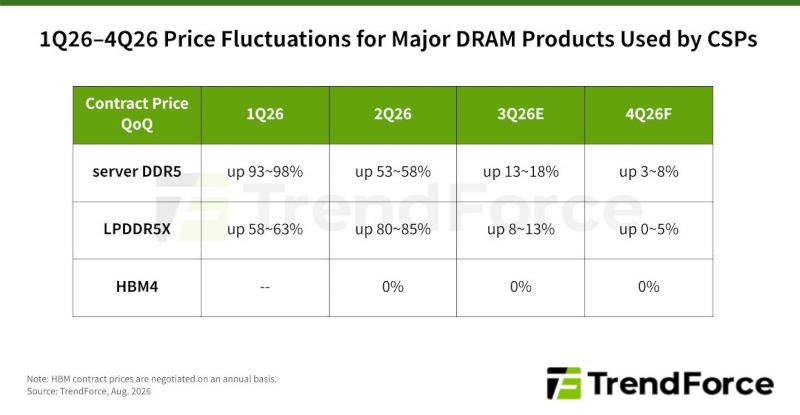
The pricing trajectory for server components is concerning. In the second half of 2025, the cost of server DRAM already climbed by 64%, and forecasts for 2026 suggest a further surge of approximately 270%. A similar trend is evident in the enterprise SSD segment: following a 35% increase last year, costs are expected to spike by another 235% in the current period.
A pivotal role in this hierarchy is played by High Bandwidth Memory (HBM), which is critical for the operation of modern GPU accelerators. Despite attempts by chipmakers to secure long-term agreements with established price caps, market pressure remains intense. HBM costs are expected to rise by another 70–140% by 2027. Furthermore, the combined bit-shipment share of HBM and server RDIMM within the DRAM market is projected to reach 51% by 2026. Even with the introduction of new production capacities and the transition to more advanced process nodes—which should increase supply volumes by 27%—the high cost of HBM will continue to strain provider budgets.
This trajectory will inevitably lead to fundamental structural shifts within the artificial intelligence ecosystem.
First, a domino effect is emerging: server hardware vendors and AI accelerator developers now have a legitimate justification for raising the prices of their end products. Cloud providers will be forced to either significantly expand their budgets to maintain procurement momentum or accept compromises in performance.
Second, the industry will be compelled to pivot from a "brute-force" strategy toward granular optimization. Engineers will begin re-evaluating RDIMM configurations and the volumes of HBM integrated into future accelerators to mitigate financial pressure. Parallel to this, there will be a surge of interest in specialized AI ASICs. Unlike general-purpose solutions, these chips allow specific model logic to be implemented directly at the silicon level, radically reducing dependence on expensive external memory and enhancing overall system energy efficiency.
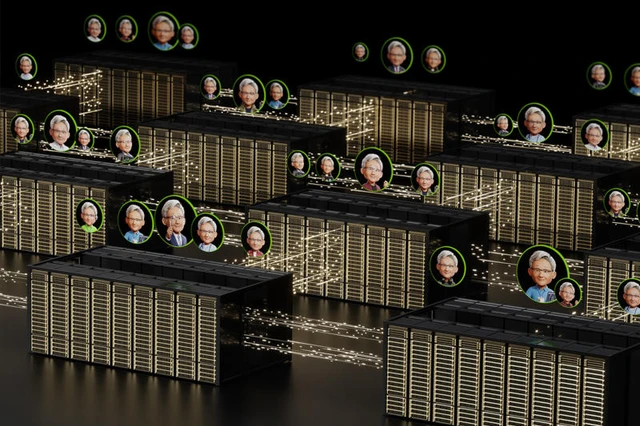
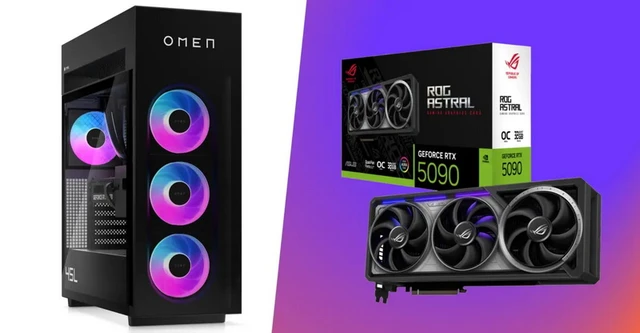 The Economic Paradox of the GeForce RTX 5090