7 Jul 2026
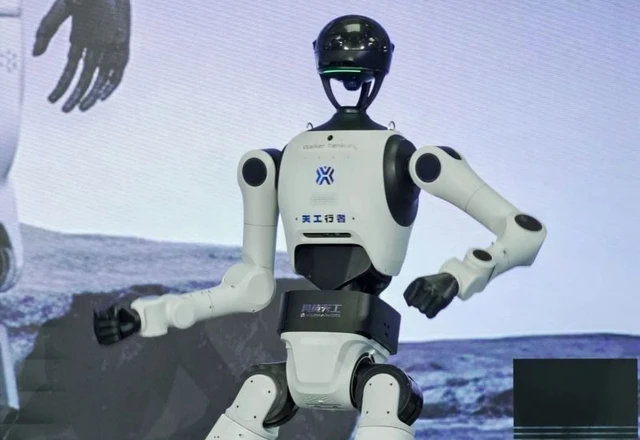 The Safe Integration of Robotics into Human Environments
The vision of humanoid assistants integrated into our daily lives is rapidly evolving from the realm of science fiction into a tangible market reality. Yet, beneath the polished veneer of tech giants' keynotes lies a fundamental friction: the clash between the rigid, deterministic logic of machines and the chaotic unpredictability of human behavior. Given the sheer physical mass and mechanical complexity of modern robotics, even a minor software glitch can escalate into a significant safety hazard for those in the vicinity. For this coexistence to become a seamless norm, the industry must fundamentally reimagine the core principles of human-machine interaction.
7 Jul 2026
 Foxconn’s Strategic Expansion into the AI Infrastructure Market
The global AI boom has decisively shifted from the realm of software to the domain of physical infrastructure. Today, the primary rewards are flowing to those constructing the tangible foundation required for cloud computing and the training of neural networks. Taiwanese titan Foxconn, the world's largest electronics contract manufacturer, has emerged as one of the foremost beneficiaries of this tectonic shift. The company's latest financial disclosures reveal a surge in revenue, underscoring the corporation's evolved strategic role in the age of AI.
7 Jul 2026
 The Triumph of Memory in the Age of Generative AI
The global semiconductor market is undergoing a tectonic shift, as artificial intelligence evolves from a mere trend into the primary catalyst for hardware demand. Samsung Electronics has emerged at the epicenter of this transformation, reporting phenomenal financial growth. The company's current profit trajectory reflects a fundamental realignment of priorities within the computing industry: memory is rapidly becoming the most critical asset in the race to develop autonomous AI agent systems.
7 Jul 2026
 AMD is Reshaping the Landscape of Japanese Autonomous Driving
For years, Nvidia has maintained an uncontested stranglehold on the AI accelerator market for autonomous transport. Yet, the pursuit of technological sovereignty and the imperative for cost optimization are compelling ambitious industry players to explore alternatives. In a calculated strategic move, the Japanese startup Turing is integrating AMD solutions into its AI training infrastructure—an alliance that signals the dawn of a new chapter in the high-stakes race for supremacy within the autonomous driving sector.
7 Jul 2026
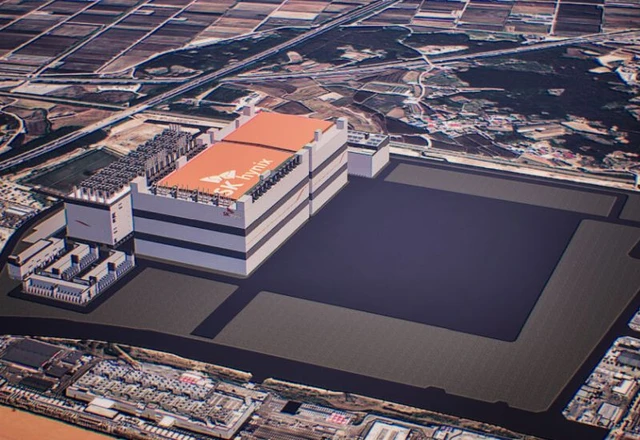 AI Taxation: The Capital of the Future
The global surge in artificial intelligence has ignited an unprecedented demand for high-performance memory, positioning the technology sector as the primary catalyst of the global economy. South Korea, which commands the lion's share of this market, now finds itself at the epicenter of a massive financial windfall. Rather than succumbing to short-term consumption, Seoul is opting for a strategy of redistributing these windfall tax revenues. The state aims to leverage the success of its corporate titans to secure long-term social stability and fortify the nation's technological sovereignty.
7 Jul 2026
 Scalability Testing for Nvidia Kyber Systems
The race for computational supremacy in the era of generative AI has evolved into a battle against the very limits of engineering. Even for a titan like Nvidia, the physical constraints of manufacturing are becoming a critical bottleneck on the road to hyper-scaling. The delayed rollout of the Kyber server systems exposes the inherent vulnerabilities in current methodologies for integrating high-performance accelerators. This setback does more than simply shift delivery schedules; it opens a strategic window of opportunity for the industry's chief competitors.
7 Jul 2026
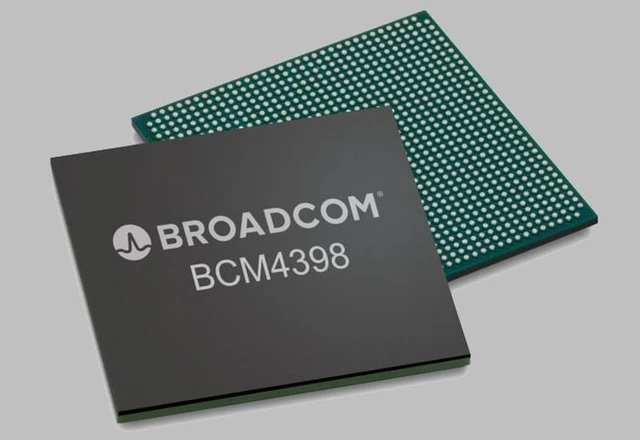 The Silicon Pact: Apple and Broadcom’s Strategic Alliance Through 2031
The global AI arms race has shifted the industry's center of gravity from software to hardware. Today, proprietary specialized silicon has emerged as the primary competitive moat for tech giants. Against this backdrop, Apple and Broadcom have solidified their strategic alliance, extending their custom chip supply agreement through 2031. This move signals a pivot from basic wireless interfaces toward the development of sophisticated computing infrastructure tailored for neural networks.
7 Jul 2026
 AMD Ryzen AI Halo for Local AI
The shift of AI workloads from the cloud to local devices is emerging as the defining trend in contemporary development. Professionals now demand a hardware foundation capable of processing massive models with zero latency and total independence from external servers. AMD is meeting this challenge head-on with the launch of the Ryzen AI Halo—a compact station engineered specifically for AI researchers and developers. This solution aims to blur the line between the agility of a mini-PC and the raw performance of a full-scale workstation.
7 Jul 2026
 Restructuring Resources within the Microsoft Ecosystem
The era of aggressive expansion for tech giants is yielding to a period of ruthless optimization. Microsoft, long viewed as a bastion of stability, is navigating a painful restructuring that has surged far beyond the confines of its gaming sector. The current wave of layoffs signals a strategic pivot, where bold AI ambitions are colliding with the harsh reality of dwindling hardware sales. This is not merely a quest for efficiency, but a fundamental recalibration of the company's global talent architecture.
7 Jul 2026
 The Samsung Growth Paradox in the Age of AI
The global semiconductor market is currently gripped by a state of feverish anticipation, driven by the meteoric rise of artificial intelligence. Samsung Electronics, one of the primary beneficiaries of this boom, has posted a staggering 19-fold increase in operating profit. Yet, the stock market's paradoxical reaction—sending shares tumbling—has exposed a deep-seated skepticism among investors. This disconnect serves as a critical bellwether, signaling how the market is weighing the long-term sustainability of the AI industry.
7 Jul 2026
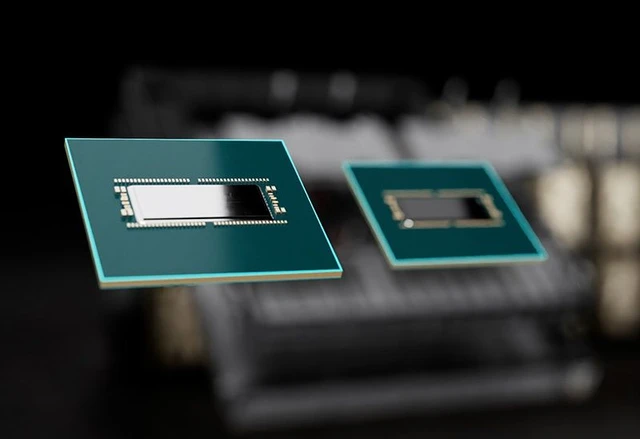 China's Quest for Technological Sovereignty in AI
The global AI arms race has decisively shifted toward the hardware layer. Stringent US sanctions and the ban on advanced Nvidia H200 accelerators have compelled Beijing to fast-track the development of its own silicon foundation. This transition is no longer merely a matter of political rhetoric; it has evolved into a massive reallocation of capital within China's largest corporations. This budgetary pivot toward domestic vendors signals the dawn of a new era for Asia's computing infrastructure.
7 Jul 2026
 The Economics of Global Neural Network Deployment
The global AI boom is shifting its center of gravity, moving beyond the realm of algorithmic breakthroughs into a phase of cutthroat competition for physical resources. Required investment scales have reached astronomical proportions, transforming the industry's evolution into a high-stakes financial operation of immense complexity. Today, forging a "digital intelligence" demands more than just the procurement of silicon; it necessitates a wholesale overhaul of the planet's energy and infrastructural foundations. In this climate, access to massive debt markets has become a success factor as critical as the efficiency of the neural networks themselves.
