The global surge in artificial intelligence has ignited an unprecedented demand for high-performance memory, positioning the technology sector as the primary catalyst of the global economy. South Korea, which commands the lion's share of this market, now finds itself at the epicenter of a massive financial windfall. Rather than succumbing to short-term consumption, Seoul is opting for a strategy of redistributing these windfall tax revenues. The state aims to leverage the success of its corporate titans to secure long-term social stability and fortify the nation's technological sovereignty.
The contemporary computing landscape is fundamentally dependent on semiconductor memory, a domain where South Korea maintains an absolute hegemony. With Samsung Electronics and SK hynix controlling between 65% and 80% of the global market, these titans effectively dictate the industry's trajectory. The dawn of the generative AI era has triggered an exponential surge in demand for specialized memory—most notably High Bandwidth Memory (HBM)—driving a massive spike in revenue for these Korean giants. This windfall has inevitably trickled up to the national budget, providing the government with a substantial financial reserve through increased tax contributions.
Rather than absorbing these funds into routine expenditures, the South Korean presidential administration has proposed a strategic framework for long-term investment. Han Kun-sik, head of the administration, has positioned the creation of the "Future Challenge Response Fund" as a critical instrument for safeguarding national competitiveness. The government's logic is both pragmatic and forward-looking: leverage a temporary market surge to build a foundation that ensures economic resilience long after the AI sector's current phase of hyper-growth stabilizes.
A cornerstone of this strategy is the mitigation of "K-shaped polarization." This economic phenomenon is characterized by a widening divergence: while high-tech industries and asset owners experience rapid growth, traditional sectors and low-skilled workers face stagnation or declining incomes. To prevent a profound social rupture, the state intends to utilize the tax windfalls from the AI boom to realign these trajectories, investing in new growth engines that can serve as viable alternatives to the dominance of a few mega-corporations.
At the heart of the fund's social mandate is the support of citizens aged 20 to 40. Facing cutthroat competition in the labor market and a deepening housing crisis, the government plans to implement a comprehensive suite of measures, ranging from direct funding for youth-led startups to state-sponsored housing programs for young professionals. This is more than mere social welfare; it is a strategic effort to preserve human capital and catalyze domestic entrepreneurial activity.
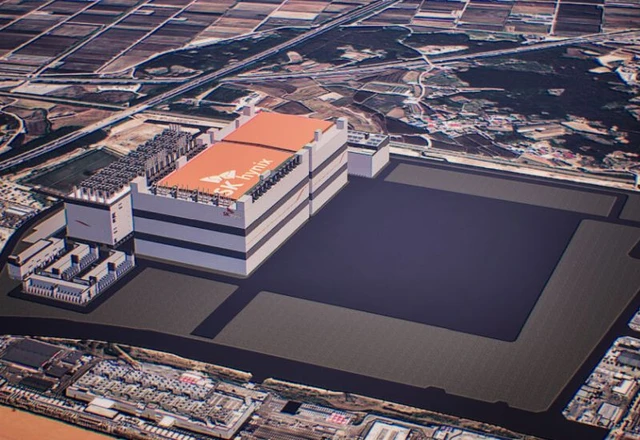
Parallel to these state initiatives, industry leaders Samsung Electronics and SK hynix have already embarked on massive investment projects. A symbiotic relationship is emerging: while the corporations expand production capacity and drive innovation, the state fosters a favorable environment and ensures social stability by reinvesting a portion of these corporate profits into the next generation of talent. This integrated approach is transforming South Korea from a mere supplier of components into an indispensable architect of the global digital ecosystem.
 Anthropic’s Strategic Push for Hardware Independence