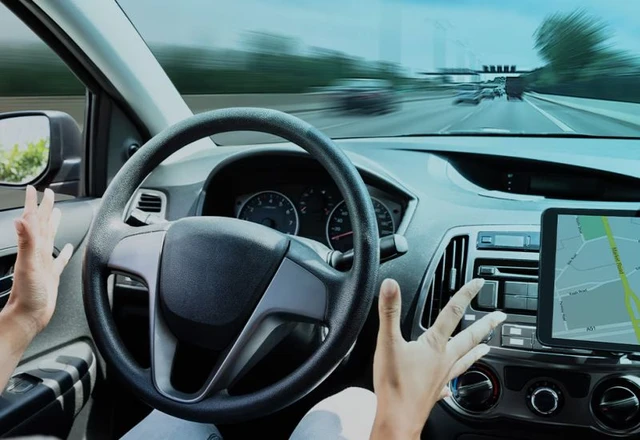
For years, Nvidia has maintained an uncontested stranglehold on the AI accelerator market for autonomous transport. Yet, the pursuit of technological sovereignty and the imperative for cost optimization are compelling ambitious industry players to explore alternatives. In a calculated strategic move, the Japanese startup Turing is integrating AMD solutions into its AI training infrastructure—an alliance that signals the dawn of a new chapter in the high-stakes race for supremacy within the autonomous driving sector.
Nvidia’s dominance in robotics and Advanced Driver Assistance Systems (ADAS) is not merely a product of raw hardware performance, but a result of the profound integration of its software stack. By establishing an ecosystem where neural network training for automotive applications has become the industry standard, the company has effectively cemented its status as the primary provider of the "brains" powering modern transportation. However, the industry's over-reliance on a single vendor introduces systemic risks—ranging from critical chip shortages to aggressive pricing policies.
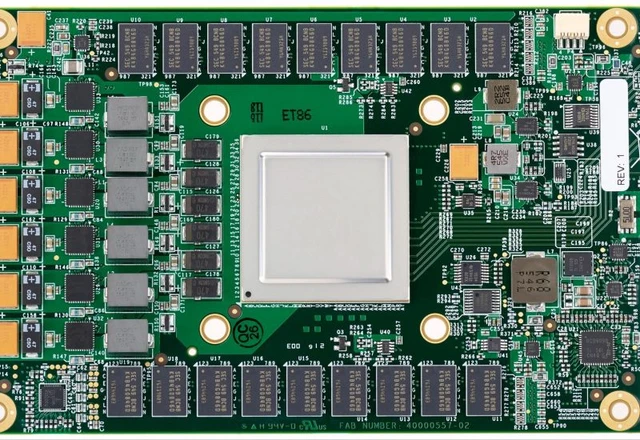
Against this backdrop, Turing, a Japanese autonomous driving startup, has decided to shift its trajectory. The company has officially added AMD Ventures to its roster of investors and begun integrating AMD hardware solutions into its computing clusters. While Turing previously relied exclusively on Nvidia accelerators, AMD chips now power approximately 10% of the total capacity required for its AI model training.
This pivot is driven not only by a desire to diversify supply chains but by pragmatic calculation. Reducing operational expenditures for training massive models is a critical factor for a startup striving for economic efficiency. Adopting a hybrid infrastructure allows Turing to avoid "vendor lock-in" and maneuver flexibly between suppliers based on current performance requirements and cost constraints.
Turing’s strategy is a long game: the full rollout of its software to the consumer market and the robotaxi segment is slated for 2028. At first glance, this timeline may seem delayed, but the idiosyncrasies of the Japanese automotive industry play into the startup's hands. In Japan, model refresh cycles are traditionally longer than in the West, with new solutions typically implemented with a three-to-five-year lag. This provides developers with a vital window of opportunity to refine autopilot technologies to perfection without sacrificing competitiveness.
In a broader context, this bet on autonomy is of existential importance to the Japanese economy. For decades, automotive exports have remained a primary driver of national income; losing leadership in this sector could be catastrophic. In the era of the transition to electric and autonomous vehicles, intelligent control systems are becoming the primary brand differentiator.
Turing’s financial stability is underscored by significant investment: the startup raised $79 million last year, bringing its total valuation to $600 million. The ambition to secure a dominant position in the Japanese domestic market through a partnership with AMD highlights an emerging trend: the autonomous driving industry is beginning to seek a balance between raw compute power and economic rationality, opening the door for new technological alliances.
 Anthropic’s Strategic Push for Hardware Independence