3 Sept 2026
 Broadcom's AI Expansion Strategy
The meteoric rise of artificial intelligence is typically framed as the dominance of a single player, yet the true infrastructural metamorphosis is unfolding behind the scenes. Broadcom has emerged as the primary architect of bespoke solutions for the world's preeminent tech titans. Driven by aggressive financial projections and deep integration into hyperscaler ecosystems, the company is transitioning from a supporting role to becoming a central nexus of the industry. This evolution signals a global paradigm shift: a move away from general-purpose computing toward the era of custom silicon.
3 Sept 2026
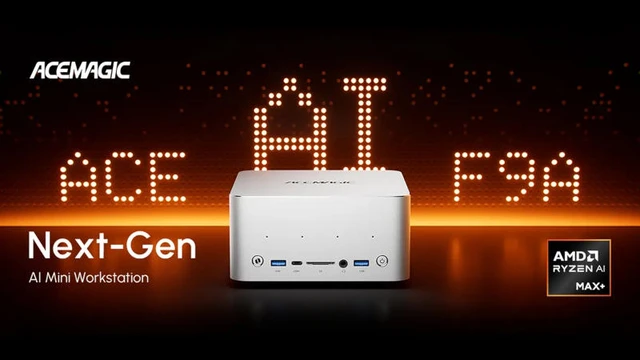 Compact Workstation Powered by Ryzen AI Max
The personal computing landscape is undergoing a fundamental shift toward the local execution of resource-intensive neural network models. For years, the primary bottleneck has been the scarcity of VRAM in consumer-grade hardware, effectively forcing users to rely on cloud-based services. The arrival of AMD’s Strix Halo chips, featuring a unified memory architecture, promises to dissolve this boundary. The new Acemagic F9A workstation stands as one of the first tangible implementations of this paradigm, transforming the mini-PC into a powerful, full-fledged tool for LLM deployment.
3 Sept 2026
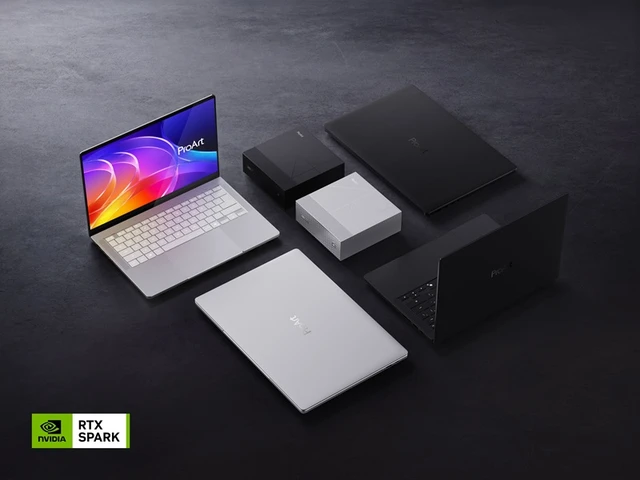 Local Intelligence within the Asus ProArt Ecosystem
The computing landscape is undergoing a fundamental paradigm shift, pivoting from cloud-centric processing toward local AI execution. Today's creative professionals demand tools capable of handling massive datasets with zero latency and absolute data privacy. The latest Asus ProArt lineup seeks to dissolve the boundary between portable mobility and the raw power of a dedicated workstation, driven by a synergy of cutting-edge hardware and specialized AI acceleration frameworks.
3 Sept 2026
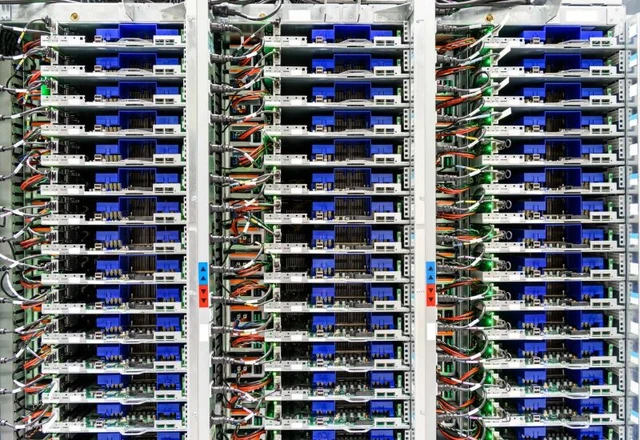 The Chinese Bedrock of American AI
The global race for AI supremacy is traditionally framed as a clash of algorithms and semiconductors. Yet, the physical layer of infrastructure exposes a profound and unsettling paradox: the United States' systemic reliance on Chinese manufacturing capabilities. The breakneck expansion of data centers has collided with a stark reality—essential hardware remains unattainable without Chinese supply chains. It is here that geopolitical ambitions collide with the rigid technological constraints of the physical world.
3 Sept 2026
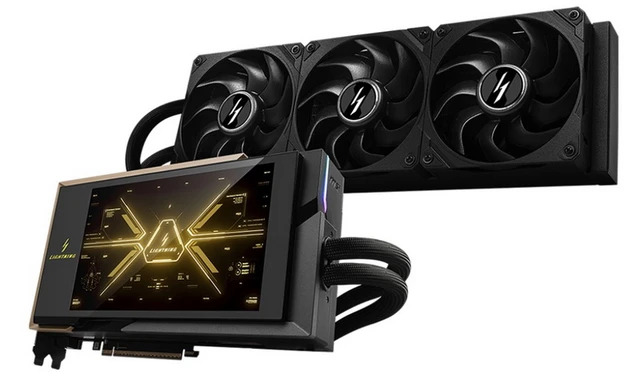 The Power Demands of DLSS 5 Neural Rendering
The evolution of graphics technology is pivoting from basic frame interpolation toward deep neural rendering, imposing unprecedented demands on hardware. With the arrival of the RTX 50 series, the industry is confronting a new challenge: a massive surge in power consumption triggered by the activation of advanced AI algorithms. Early benchmarks of DLSS 5 reveal that the technology can push flagship GPUs to their absolute electrical and thermal limits. Consequently, a tool designed for performance enhancement has effectively evolved into a rigorous stress test for the most powerful hardware on the market.
2 Sept 2026
 GoPro’s Strategic Pivot Toward Defense Technology
The era of action cameras as the sole defining pillar of GoPro is rapidly drawing to a close. Its abrupt acquisition by Starman Holding signals a radical pivot away from consumer gadgets toward the high-stakes realm of national security. This maneuver mirrors a broader global trend: hardware manufacturers are increasingly seeking stability through government contracts and the integration of AI infrastructure. The $285 million deal effectively transforms the once-dominant consumer brand into a strategic asset for the U.S. defense sector.
2 Sept 2026
 The Compute Shortage: Nvidia RTX Spark
The high-performance mobile computing market is once again grappling with critical component shortages. The debut of the next-generation laptops powered by the RTX Spark platform has ignited a level of demand that far outstrips current manufacturing capabilities. Initial shipments from leading vendors were entirely absorbed by pre-orders well before the official market launch. This bottleneck underscores the inherent fragility of specialized silicon supply chains in an era defined by the meteoric rise of on-device artificial intelligence.
2 Sept 2026
 The Economics of Global AI Deployment
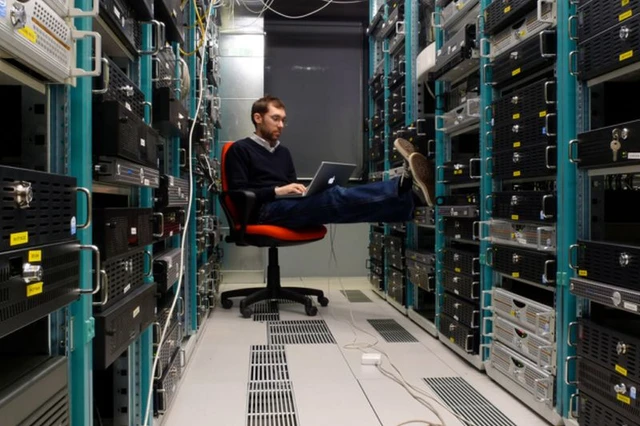
While markets debate the longevity of the AI hype, the real sector is bracing for an unprecedented construction boom. Computational power is emerging as the defining strategic asset of the 21st century, mirroring the seismic impact of electrification in the previous era. The sheer scale of impending investment in data centers is poised to redraw the global economic map by 2050—a transformation whose capital requirements may eclipse any industrial leap in human history.
2 Sept 2026
 The Paradox of Legacy Memory Pricing
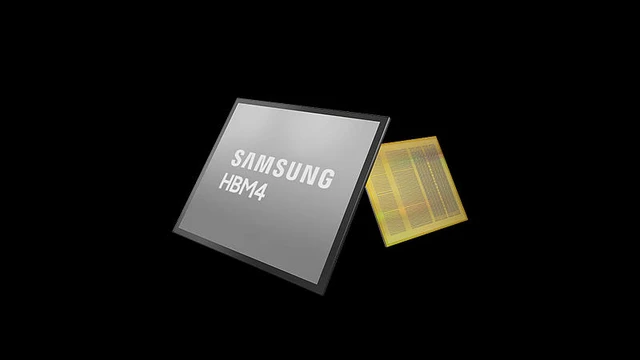
The global AI arms race is fundamentally reshaping the semiconductor landscape. Surging demand for High Bandwidth Memory (HBM) is cannibalizing production capacity, triggering an unforeseen shortage of commodity components. This has led to a market anomaly: the price of legacy DDR4 modules is climbing more steeply than that of their modern successors. Such a shift underscores the modern world's critical reliance on legacy infrastructure.
2 Sept 2026
 Dell's Strategic Expansion in the Age of AI
The global technology landscape is undergoing a fundamental paradigm shift, where hardware is no longer merely a utility but has become the bedrock for the advancement of artificial intelligence. Dell Technologies provides a textbook example of this evolution, pivoting its strategic focus from consumer PCs toward high-performance infrastructure. The company's latest financial performance underscores an unprecedented surge in demand for next-generation data center capacity. This transition heralds an era in which the ability to provide scalable compute resources has become the primary driver of corporate valuation.
2 Sept 2026
 Google’s Silicon Leap in the AI Race
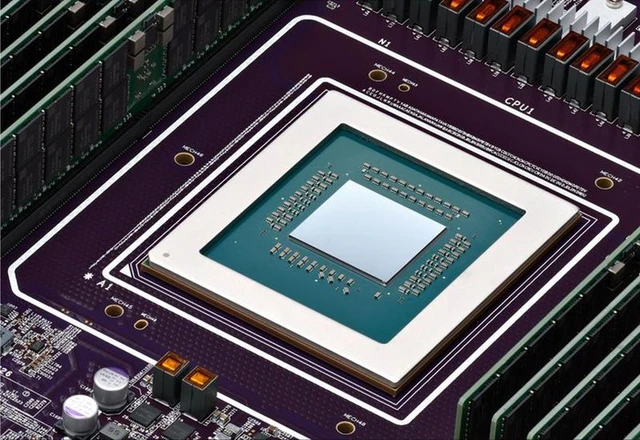
The era of generative AI has fundamentally reshaped the landscape of the semiconductor industry. Traditional two-year hardware refresh cycles have become a prohibitive luxury, giving way to annual and even semi-annual iterations. Google is now pivoting toward an accelerated roadmap for its Tensor Processing Units (TPUs) in a bid to aggressively close the performance gap. This strategy transforms hardware development into a perpetual cycle of innovation, where the velocity of deployment has become a critical factor for survival.
2 Sept 2026
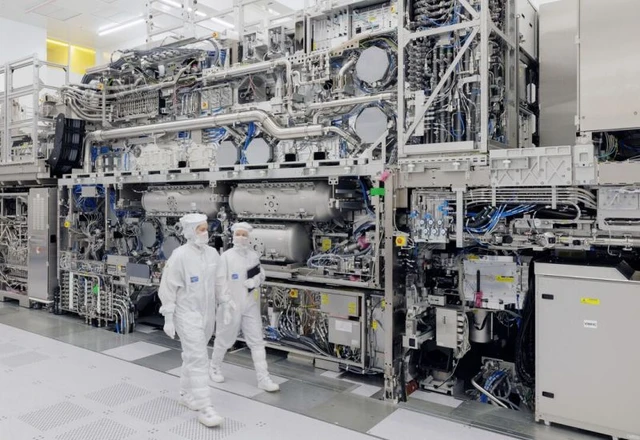 The Scaling Limit of the Leading Chipmaker
The global AI boom has placed an unprecedented strain on the world's hardware infrastructure. TSMC, effectively the sole guarantor of semiconductor advancement, is grappling with a paradox: even aggressive capacity expansion cannot keep pace with market appetite. Despite record-breaking investments, the chasm between manufacturing capabilities and actual demand continues to widen. This situation exposes a systemic bottleneck inherent to the entire modern digital economy.
