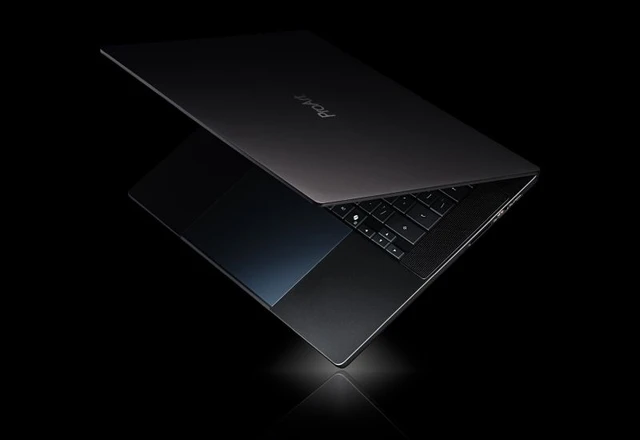
The high-performance mobile computing market is once again grappling with critical component shortages. The debut of the next-generation laptops powered by the RTX Spark platform has ignited a level of demand that far outstrips current manufacturing capabilities. Initial shipments from leading vendors were entirely absorbed by pre-orders well before the official market launch. This bottleneck underscores the inherent fragility of specialized silicon supply chains in an era defined by the meteoric rise of on-device artificial intelligence.
The personal computing industry is entering a phase of profound transformation, where traditional performance benchmarks are giving way to specialized neural network capabilities. The emergence of the RTX Spark platform marked a pivotal moment; however, its market debut has been overshadowed by a perennial challenge within the semiconductor sector—the misalignment between production capacity and actual demand. Leading Taiwanese tech firms, specifically Asus and MSI, found their initial shipments completely exhausted during the pre-order phase.
The crux of the issue lies in the manufacturing complexity of the specialized N1 and N1x processors, engineered by Nvidia in close collaboration with MediaTek. These chips are sophisticated hybrids designed to maximize efficiency for AI workloads, yet their output has remained constrained. According to available data, aggregate shipments for Asus and MSI did not exceed 100,000 units—a modest figure by global market standards. The broader picture is even more concerning, as industry giants such as Dell, HP Inc., Lenovo, and Microsoft are currently queued for components, with Acer and Gigabyte expected to join them shortly.
The situation surrounding RTX Spark serves as a stark reminder of the modern tech stack's vulnerability to silicon wafer production bottlenecks. Even with a clear expansion roadmap in place—where Nvidia is prepared to allocate between 300,000 and 500,000 chips for subsequent batches—the market remains under acute tension.
From an economic perspective, the situation is nuanced. With a suggested retail price reaching $3,500, these laptops are firmly positioned within the ultra-premium segment. Under normal circumstances, such a price point would significantly narrow the target audience; however, the current landscape is changing the rules of engagement.
We are witnessing an intriguing trend mirroring the Mac mini phenomenon, where the device suddenly became highly sought after as a specialized node for deploying autonomous AI agents. If RTX Spark-powered laptops can offer similar efficiency in deploying local large language models (LLMs) and complex neural tools, the high price point will cease to be a barrier. In this scenario, these devices evolve from mere "expensive laptops" into mission-critical tools for developers and AI enthusiasts, ensuring stable demand regardless of cost.
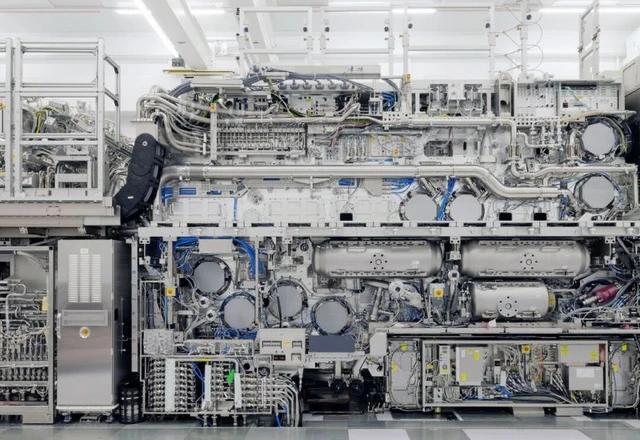 The High-NA EUV Technological Leap